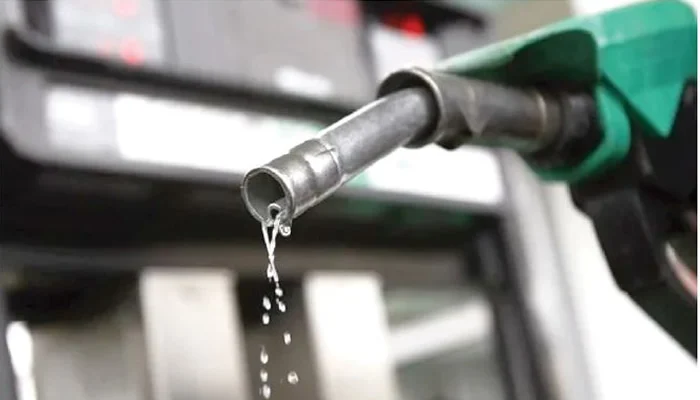













Nigeria recorded the highest increase in petrol prices across Africa during the first half of 2026, with pump prices rising by 39.5 per cent as the Middle East conflict disrupted global crude oil supplies and exposed the country’s continued vulnerability to external market shocks despite expanding domestic refining capacity.
The figures were contained in the Nigeria Half-Year Downstream Industry Report (January–June 2026) released on Tuesday by the Major Energies Marketers Association of Nigeria (MEMAN).
According to the report, the conflict involving Israel, Iran and the United States, which began on February 28, 2026, created significant uncertainty in global oil markets. Crude oil prices climbed above $100 per barrel, while the cost of transporting petroleum products increased sharply.
MEMAN explained that disruptions to shipping through the Strait of Hormuz forced oil tankers to abandon the traditional route and sail around the Cape of Good Hope, extending voyage times from about 18 days to nearly 40 days.
“During the first half of 2026, severe geopolitical tensions in the Middle East sparked immediate supply anxieties, injecting a heavy risk premium that drove international crude benchmarks past $100 per barrel,” the association said.
It added that the shipping disruption compounded the crisis by forcing maritime tankers to reroute around the Cape of Good Hope, significantly increasing delivery times and costs.
The association said Nigeria’s deregulated fuel market transmitted the global price shock directly to consumers, making the country the hardest hit on the continent.
“Operating under a newly deregulated system, Nigeria experienced an immediate price transmission at the pumps. Data from the height of the crisis revealed that Nigeria recorded a 39.5 per cent gasoline price surge, the sharpest increase across Africa, more than doubling the price increases recorded by regional peers such as Egypt, which posted a 14.3 per cent rise,” MEMAN stated.
Despite the sharp increase in pump prices, the report said the period marked a major shift in Nigeria’s downstream sector as domestic refining increasingly replaced imported fuel.
According to MEMAN, the expansion of the Dangote Petroleum Refinery significantly reduced the country’s reliance on imported Premium Motor Spirit (PMS).
The report said local refining accounted for 81.7 per cent of PMS supply during the review period, up from 38.9 per cent in 2025. Domestic refineries also supplied an average of 64 per cent of diesel demand, while local gas processing plants met 90.5 per cent of the country’s cooking gas requirements.
However, MEMAN warned that local refining capacity remained insufficient to meet national fuel demand during peak periods. Between February and April, domestic production fell short of consumption, prompting regulators to approve fuel imports to avert shortages.
“To prevent severe product stockouts and stabilize the grid, the regulatory framework actively intervened by issuing refined product import licences to selected marketers,” the report said, describing the arrangement as a hybrid supply strategy that helped cushion the impact of the global logistics crisis.
The report also revealed that marketers reduced fuel inventories because of soaring replacement costs, leading to a sharp decline in Nigeria’s strategic fuel reserves.
According to MEMAN, the volatile pricing environment forced marketers to prioritise liquidity over holding large fuel stocks, causing national PMS stock sufficiency to fall from 33 days in January to just 16 days in May—well below the statutory 30-day benchmark—before recovering to about 20 days in June following the arrival of imported supplies.
The association warned that the rapid depletion of fuel reserves underscored the need for government-backed strategic petroleum reserves to protect the country against future global supply disruptions.
MEMAN further disclosed that persistently high fuel prices weakened consumer demand, with average daily PMS consumption declining by 22.3 per cent and diesel consumption falling by 17.5 per cent during the review period.