

The Petroleum and Natural Gas Senior Staff Association of Nigeria (PENGASSAN) has said debates over the removal of fuel subsidy are now belated, urging the Federal Government to ensure that the policy translates into tangible improvements in the lives of Nigerians.
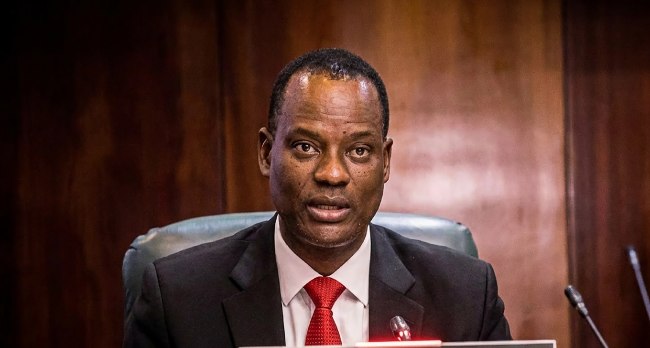
PENGASSAN President, Bosun Olabiyi-Agoro, stated this on Friday while speaking on Channels Television’s The Morning Brief.
“I think the argument over whether to remove the subsidy or not to remove it is belated now. We have done it, but we need to start seeing the benefits of fuel subsidy removal in the lives of common Nigerians,” he said.
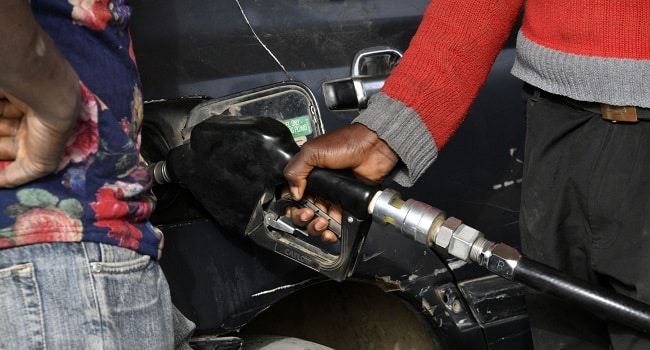
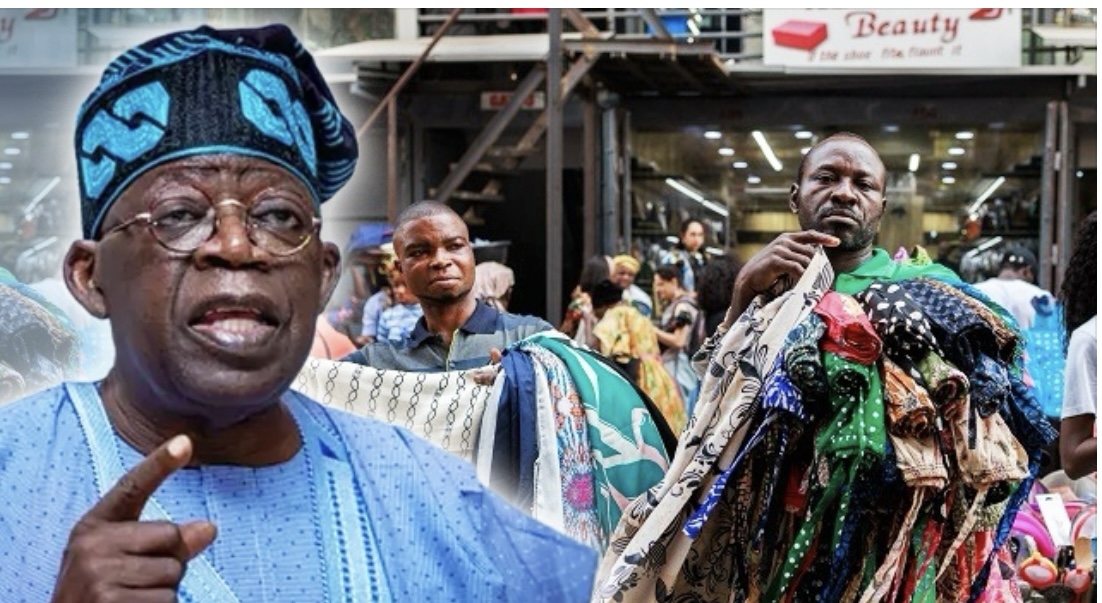
President Bola Tinubu announced the removal of the petrol subsidy shortly after assuming office in May 2023. Following the policy, the price of petrol rose from about ₦200 per litre to roughly ₦1,300 per litre.
The development has been linked by economists to rising living costs, with opposition politicians and other critics continuing to question the policy more than three years after its implementation.
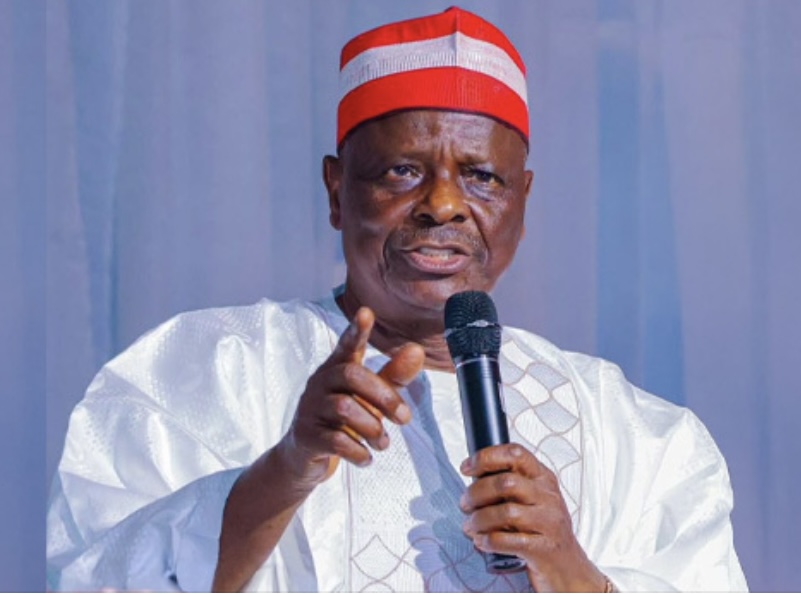
Some presidential candidates, including Atiku Abubakar of the African Democratic Congress (ADC), have pledged to reverse the policy. However, the Federal Government has maintained that there is no going back on the removal of the subsidy.
Olabiyi-Agoro said improvements in key economic indicators must ultimately be reflected in the living conditions of ordinary Nigerians.
“As far as I am concerned, these metrics should translate into food or better living conditions for the average Nigerian,” he said.
The PENGASSAN president acknowledged that subsidy removal was a “painful” decision that became “extremely hard on Nigerians and workers,” many of whom are still grappling with economic hardship.
He said that while Nigeria’s Gross Domestic Product (GDP) grew by 4.43 per cent in the second quarter of 2026, the government must move beyond improvements in macroeconomic indicators and focus on their impact on citizens.
“What we are advocating for at the moment is that we want to see that translate into what is going to help a common man and not just the things that we see in figures,” he said.
Olabiyi-Agoro noted that improvements in GDP, the balance of trade and foreign exchange reserves were positive developments, but stressed that Nigerians needed to feel the impact of such gains.
“Yes, those figures are good. We can relate to some of them. The GDP is getting better; the balance of trade.
“Things like our reserves in terms of forex – all those things are positive, but we want to see positive things in the lives of common Nigerians. As workers, we are ready to do our own and put in our own input in that perspective to support whichever government is in power.”
He also attributed improvements in the availability of petroleum products to the removal of the subsidy.
“From the moment there was no budget for subsidy again up until now, we believe that we are buying products at their right prices without the government putting in a subsidy, so I think we’ve left one side of that argument [on whether to remove subsidy or not],” Olabiyi-Agoro said.