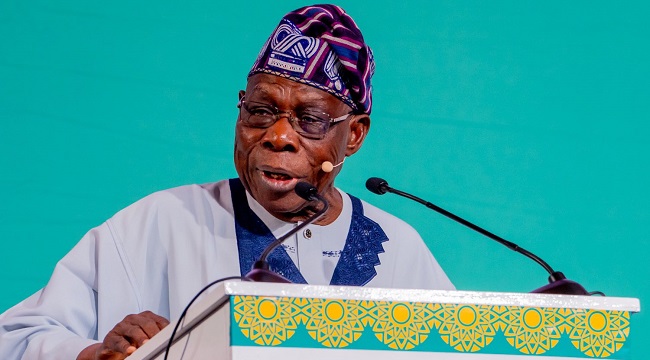



Former President Olusegun Obasanjo has said Nigeria’s persistent electricity crisis will remain unresolved unless the private sector takes greater control of the energy industry.
Obasanjo argued that government alone cannot fix the country’s power challenges, urging Nigeria to adopt the approach that transformed the telecommunications sector by giving private operators greater responsibility.
He spoke at the Youth Governance Dialogue, themed “African Youth and Renaissance”, held at the Youth Development Centre of the Olusegun Obasanjo Presidential Library in Abeokuta, Ogun State.
According to the former president, government interventions in the telecommunications industry failed to deliver the desired results until the sector was opened up to private sector participation.
“Government has tried, just like government tried with telecommunications, until we put it in the hands of the private sector, we didn’t solve it.
“And I believe that until we put energy in the hands of the private sector, we won’t solve it,” he said.
Obasanjo described energy as a critical driver of economic growth and national development, expressing concern that Nigeria had yet to make significant progress in resolving its electricity challenges.
He, however, expressed optimism that young Nigerians with innovative business ideas and technological solutions could play a significant role in addressing the crisis.
He urged youths seeking to influence governance and public policy to equip themselves with the knowledge and competence needed to engage government institutions effectively.
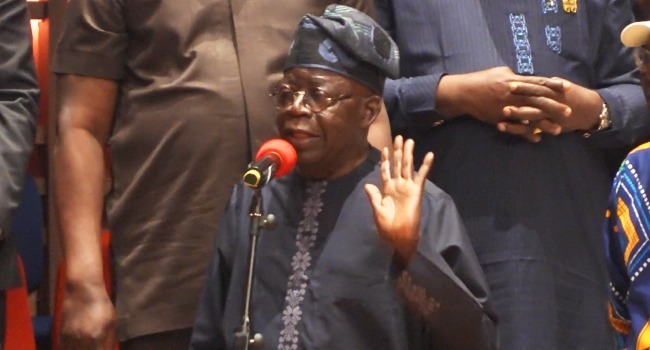
Also speaking at the dialogue, a resource person, Oluwaseun Obasanjo, encouraged young Nigerians to embrace innovation, technology and entrepreneurship as tools for tackling the country’s developmental challenges.
He noted that Nigeria’s large population and consumer market offered enormous opportunities for young entrepreneurs, despite persistent challenges such as inadequate electricity and infrastructure.
He challenged young Nigerians to develop indigenous solutions capable of competing with foreign businesses seeking to benefit from the country’s expanding market.
“The market in Nigeria is huge. And if foreign companies are coming in every day to take advantage of this market, what can you, as youth, do to be able to succeed in this same market?” he asked.
He also urged young people to identify challenges in their workplaces and communities and transform them into innovative solutions that could create economic value.