



The Academy of Medical Sciences of Nigeria has raised the alarm over the emergence of a new COVID-19 variant, PJ.2.1, which is spreading across several countries, urging Nigerians to remain vigilant, particularly as the festive season approaches.
The Academy warned that increased international travel, homecomings and large social gatherings during the festive period could create conditions for the spread of the variant.
In a public health advisory, the Academy disclosed that the World Health Organisation (WHO) had classified PJ.2.1 as a “Variant Under Monitoring”, although its current assessment indicates a low additional risk to global public health.
The advisory, signed by the Chairman of the Academy’s Rapid Response Committee, Prof. Boaz Adegboro, and its President, Prof. Joseph Ahaneku, stated that the variant was first detected in Ontario, Canada, on May 2, 2026.
Since then, it has been reported in several countries, including the United States, Canada, Spain, France, the Netherlands, Israel, Singapore, Brazil, Argentina, Australia and New Zealand.
According to the Academy, the WHO had recorded sequences of the variant from 18 countries as of November 8, 2026.
However, it cautioned that available scientific evidence remains limited, making continued monitoring and surveillance necessary to establish the variant’s behaviour and potential impact.
Preliminary studies suggest that PJ.2.1 may spread more easily than some other circulating Omicron sub-lineages, although there is currently no evidence that it causes more severe illness.
The Academy also noted that early laboratory findings indicate that existing COVID-19 vaccines remain effective against the variant, with antibodies generated by updated vaccines showing the ability to neutralise it.
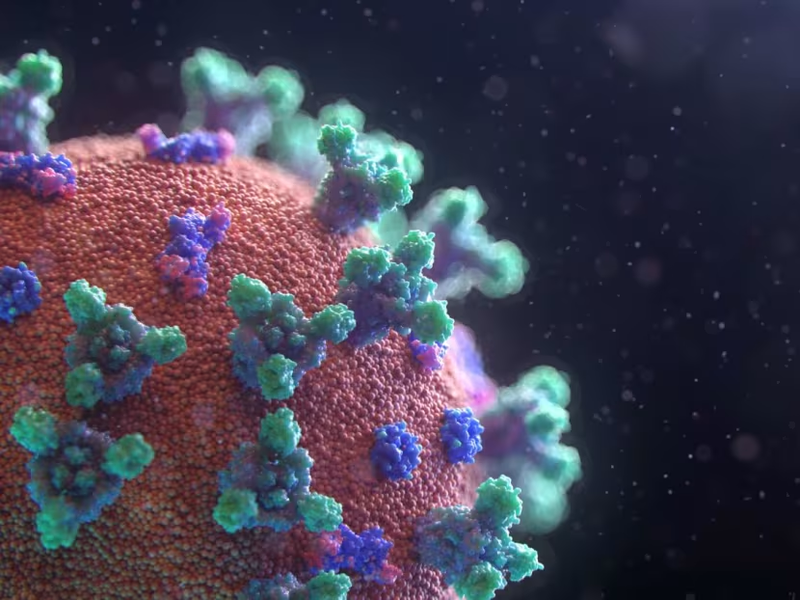
Describing PJ.2.1 as a descendant of the Omicron JN.1 family, the Academy explained that it carries approximately 24 changes in its spike protein compared with its parent lineage.
“These mutations have attracted scientific attention because laboratory studies suggest stronger binding to the human ACE2 receptor and more efficient entry into cells, characteristics that could give the variant a transmission advantage,” the advisory stated.
It, however, emphasised that increased transmissibility does not necessarily mean more severe disease.
The symptoms associated with PJ.2.1 include sore throat, fever, cough, runny or blocked nose, fatigue, headache, muscle aches and chills. Some patients have reportedly experienced particularly severe sore throats and prolonged fatigue.
The Academy explained that these symptoms are similar to those of the common cold and influenza, making laboratory testing important for distinguishing the variant from other respiratory infections.
On Nigeria’s preparedness, the Academy disclosed that there had been no publicly reported case of PJ.2.1 in the country as of the time of the advisory.
It noted that the Nigeria Centre for Disease Control and Prevention (NCDC) continued routine COVID-19 surveillance and had recorded sporadic confirmed cases during 2026.
However, it warned that limited genomic sequencing capacity across Africa meant the absence of reported cases should not be interpreted as proof that the variant was not circulating in Nigeria.
The Academy urged Nigerians to adopt basic preventive measures, including staying at home when experiencing fever, cough, sore throat or other flu-like symptoms, and avoiding workplaces, schools, religious gatherings and social events until they recover.
It also recommended COVID-19 rapid antigen testing or visiting a health facility when respiratory symptoms develop, particularly for people at higher risk of complications.
Other precautions include wearing well-fitting face masks in crowded indoor environments, public transport, hospitals and clinics, as well as when visiting elderly or sick relatives.
The Academy further advised regular handwashing with soap and running water or the use of alcohol-based sanitisers, proper disposal of tissues used when coughing or sneezing, and improved ventilation by keeping windows and doors open where possible.
It encouraged Nigerians to hold social events outdoors or in well-ventilated spaces and urged eligible people, particularly those in high-risk groups, to take COVID-19 vaccine doses recommended by health authorities.
With international travel expected to increase during the festive season, the Academy advised Nigerians returning from countries where the variant had been reported to monitor their health for 10 days after arrival and seek testing promptly if respiratory symptoms develop.
It stressed that available evidence did not justify travel restrictions or bans, adding that Nigerians should remain cautious without giving in to panic.
The Academy also identified vulnerable groups requiring extra protection. They include people aged 60 and above; those living with diabetes, hypertension, heart, lung or kidney diseases, sickle cell disease, cancer, HIV or other conditions that weaken the immune system; pregnant women; and people with obesity.
Members of these groups were advised to keep their underlying health conditions under control, maintain adequate supplies of prescribed medicines and seek medical attention promptly if symptoms develop.
The Academy emphasised that early medical assessment was important because antiviral treatment, where indicated, was most effective when started within the first few days of illness.
It also cautioned against self-medication, urging Nigerians to seek professional medical advice rather than treating suspected infections without proper assessment.
For healthcare workers, the Academy called for increased suspicion of COVID-19 among patients presenting with acute respiratory infections, while warning against overlooking other illnesses such as malaria, influenza, bacterial pneumonia and Lassa fever.
It recommended rapid antigen or polymerase chain reaction (PCR) testing, with a proportion of positive samples sent to designated laboratories for genomic sequencing to monitor the spread and evolution of the variant.
Healthcare facilities were also urged to strengthen infection prevention and control measures, separate patients presenting with respiratory symptoms, ensure adequate supplies of personal protective equipment and maintain functional oxygen supplies, pulse oximeters and isolation facilities.
According to the Academy, the clinical management of PJ.2.1 should follow existing national and WHO guidelines for other Omicron sub-lineages.
It called on the Federal Ministry of Health and Social Welfare and the NCDC to intensify genomic surveillance, strengthen testing and enhance monitoring at the country’s points of entry, particularly during the forthcoming festive travel period.
The Academy reiterated that its message to Nigerians was not to panic but to remain informed, vigilant and prepared as the new variant continues to spread internationally.