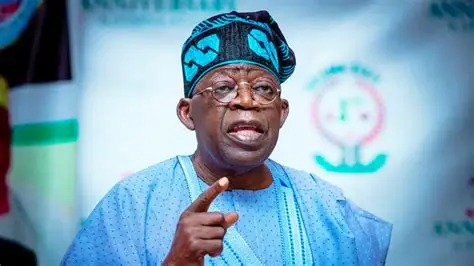

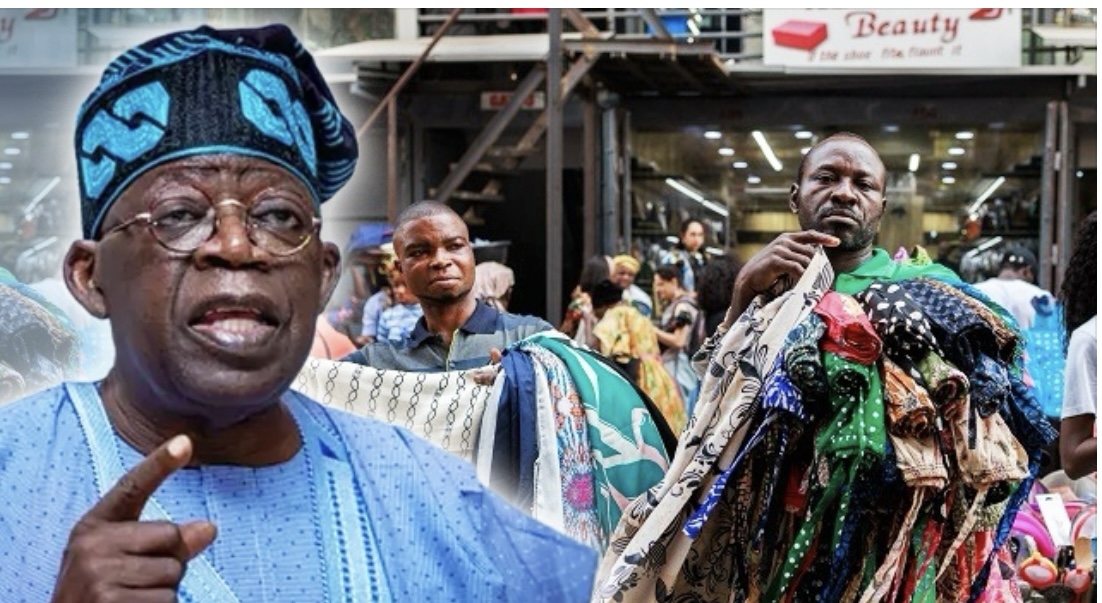
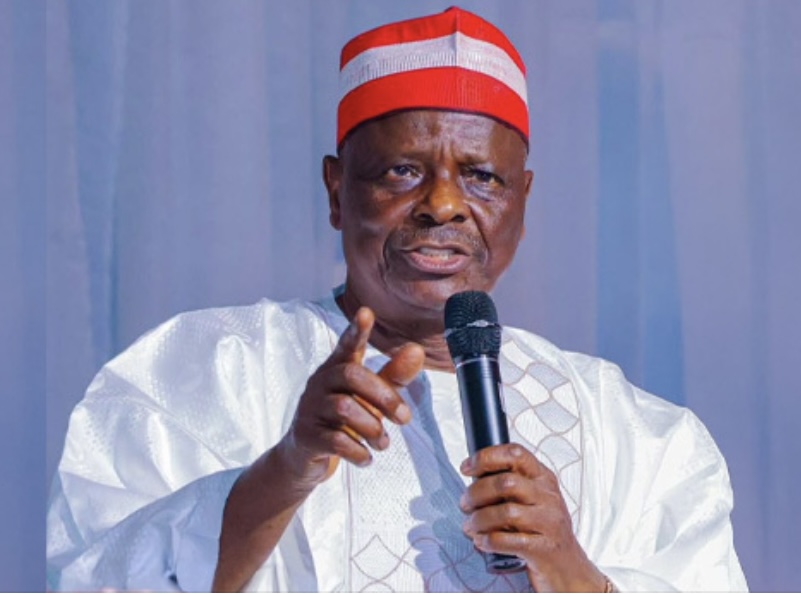

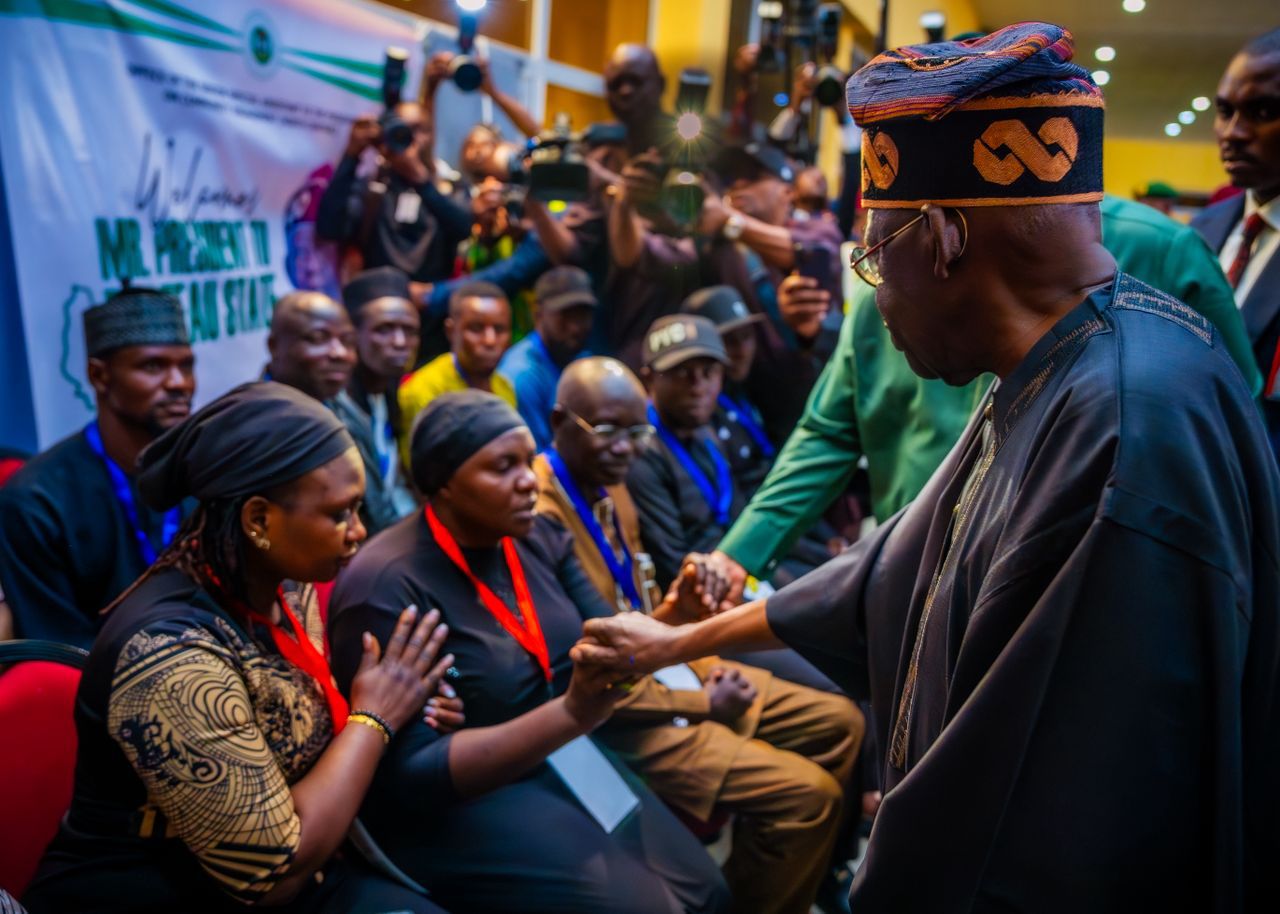


The Presidency on Sunday dismissed criticism by former Vice President Atiku Abubakar over the Bola Tinubu administration’s economic policies, insisting that the government’s reform agenda is already delivering positive results despite the economic hardship facing Nigerians.
The Special Adviser to the President on Information and Strategy, Bayo Onanuga, made the position known in a statement titled, “Facts, Not Fear: A Point-by-Point Response to Atiku Abubakar on Nigeria’s Reform Journey.”
The statement came in response to Atiku’s recent criticism of the Federal Government’s economic management, in which the former vice president accused the Tinubu administration of fiscal recklessness, excessive borrowing, worsening hardship through the removal of fuel subsidy, and implementing what he described as punitive tax policies.
Atiku also alleged that the government failed to account for a N7.98tn oil revenue windfall and warned that the nation’s economy was on a dangerous path.
Responding, Onanuga faulted the claims, accusing the former vice president of relying on outdated figures and overlooking recent economic progress.
“It is curious that in the middle of 2026, the opposition’s principal economic argument remains anchored to developments in the 2024 fiscal year. Economies are dynamic. Reforms are processes, not events,” he said.
According to Onanuga, Nigeria’s economy has recovered from the initial impact of the reforms, with the country’s dollar-denominated Gross Domestic Product increasing from about $253bn following the exchange rate adjustment to approximately $377bn, while naira-denominated GDP rose from about ₦314tn in 2024 to around ₦530tn.
Defending the administration’s borrowing, the presidential aide maintained that Nigeria’s debt profile remains sustainable.
“Nigeria’s debt-to-GDP ratio remains relatively modest at barely 40 per cent. The Tinubu administration has also reduced the debt service-to-revenue ratio from nearly 100 per cent in December 2022 to less than 60 per cent today,” he said.
On the removal of fuel subsidy, Onanuga argued that the policy had significantly improved the finances of states and local governments.
“The visible consequence of subsidy removal has been the sharp improvement in revenues accruing to states and local governments through the Federation Account,” he stated.
He also defended the administration’s tax reforms, saying they were designed to shield low-income earners and small businesses while ensuring wealthier individuals and profitable companies contribute more fairly.
“The objective of the tax reforms is not merely to increase collections but to create a broader, more equitable tax system,” he added.
Highlighting the administration’s achievements, Onanuga said more than 3,000 primary healthcare centres had been revitalised, over 78,000 frontline health workers retrained, and three cancer treatment centres established nationwide.
He further disclosed that more than 1.64 million students had benefited from the Nigerian Education Loan Fund, with over ₦303bn disbursed to improve access to tertiary education.
Addressing Atiku’s allegation of an unaccounted N7.98tn oil windfall, Onanuga dismissed the claim as baseless.
“There is no such windfall of N7.98 trillion. Atiku will do well to show the workings for his N7.98 trillion oil windfall,” he said.
The presidential spokesman acknowledged that the reforms had imposed short-term hardship but insisted they were necessary to correct long-standing structural distortions in the economy.
“Nigeria’s economy is not yet where it aspires to be. But neither is it where it stood at the height of its structural distortions. The fundamental reforms will continue to expand opportunity, strengthen institutions, and deliver tangible improvements in the lives of Nigerians,” he said.