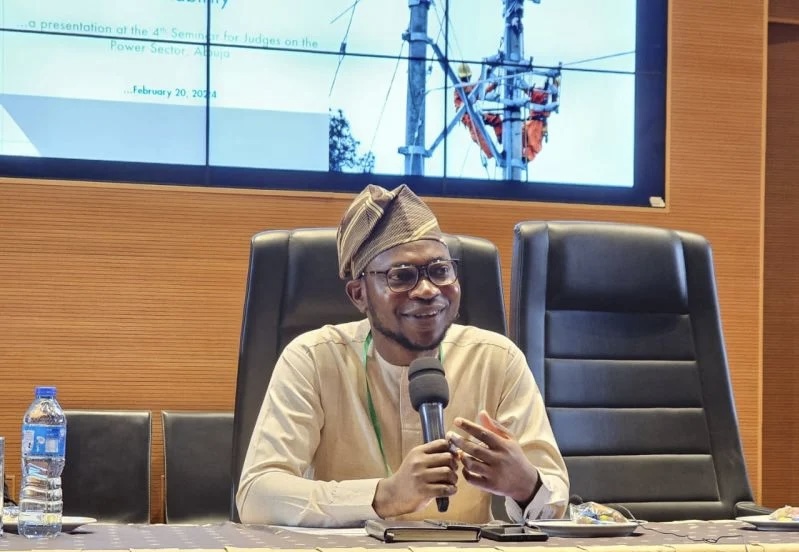
Chairman of NERC, Dr Musiliu Oseni
The Nigerian Electricity Regulatory Commission (NERC) has called on investors to take advantage of existing regulatory frameworks to finance large-scale electricity projects and improve power supply across the country.
The commission said Nigeria’s evolving regulatory environment presented opportunities for sustainable investments as the Federal Government intensifies efforts to expand electricity generation and improve access to reliable power for households and businesses.
NERC Chairman, Dr Musiliu Oseni, made the call through the commission’s Director of Economic Regulation, Abba Terab, during a panel session at the 32nd Nigerian Economic Summit in Abuja.
According to a statement published on NERC’s official X account on Thursday, the discussion centred on the theme, “Power Growth: Reliable Electricity for Industry and Prosperity”.
The statement said the commission was encouraging investors to leverage existing regulatory frameworks to drive large-scale investments capable of improving electricity supply nationwide.
Terab explained that NERC had introduced regulatory instruments to facilitate viable transactions and attract private capital into the electricity market.
He added that the Federal Government was pursuing further liberalisation of the sector through the Electricity Act and supporting regulations issued by the commission, in line with its Vision 30:30:30 target.
The initiative includes promoting decentralised electricity supply models, such as embedded generation, which allows electricity to be generated closer to the communities, businesses and other customers that require it.
The approach is expected to open up investment opportunities beyond the conventional national grid system while providing consumers, particularly industrial and commercial users, with access to more reliable electricity.
Other panellists at the summit highlighted the importance of effective regulation, gas infrastructure and commercial discipline in developing a sustainable electricity market.
The Managing Director of Abuja Electricity Distribution Company, Chijioke Okwuokenye, stressed the importance of regulatory support for initiatives such as embedded generation and net billing arrangements, which could encourage wider adoption of renewable energy.
Net billing enables customers who generate electricity, including through renewable sources, to receive credits or payments for surplus power supplied to the grid, subject to applicable regulatory provisions.
The Managing Director of Elektron, Deen Solebo, highlighted efforts to strengthen gas-to-power infrastructure, noting that medium-scale power plants could serve specific geographical areas and groups of customers more efficiently.
He said such arrangements could complement conventional grid supply, particularly for industrial and commercial customers that require dependable electricity to sustain their operations.
Meanwhile, the Director-General of the Manufacturers Association of Nigeria, Segun Ajayi-Kadir, emphasised the need for a commercially sustainable electricity market in which suppliers deliver reliable power and customers pay for the energy consumed.
His remarks highlighted persistent challenges in the sector, where unreliable electricity supply increases production costs for manufacturers, while poor payment discipline can weaken the financial capacity of power providers.
The panel session was moderated by Jumoke Delano, Managing Consultant at Competence Builders International.