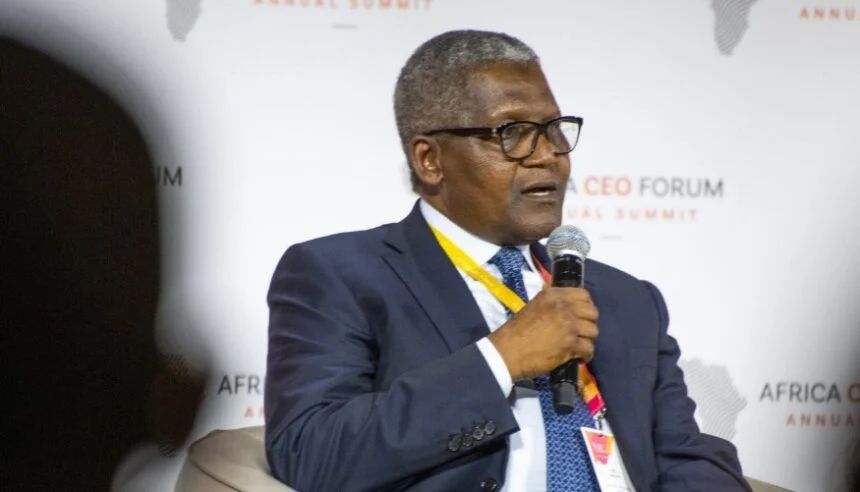






Africa’s richest man, Aliko Dangote, has revealed that he has lived in his current home for 36 years, saying he has no plans to move because he remains comfortable there.
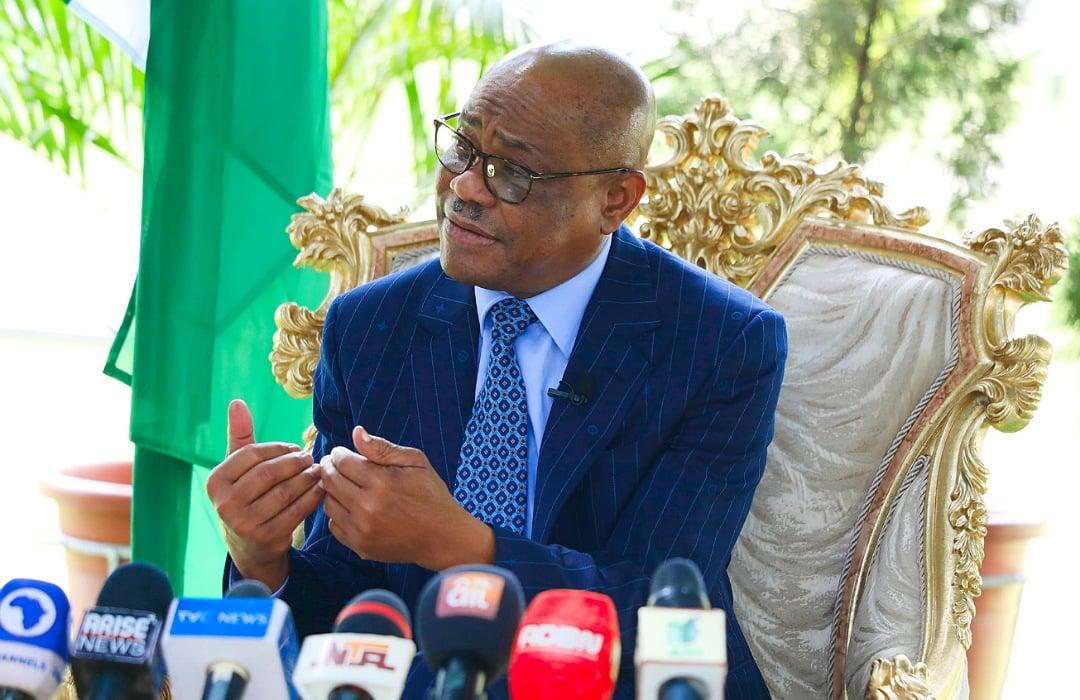
Dangote made the disclosure during an interview with ARISE News on Tuesday, where he discussed his lifestyle, business interests and views on wealth, investment and Africa’s economic development.
“You know how long I’ve been here? Thirty-six years. I don’t plan on leaving. I’m very comfortable here,” the billionaire said.
Dangote said he was generally content with his home and did not feel the need to constantly pursue new luxuries.
“Once I come in in the evening, it’s difficult to take me out of my house,” he said.
The business mogul also criticised the spending habits of some wealthy Africans who, he said, invest heavily in private jets and other symbols of affluence without putting their resources into productive ventures such as factories.
“What I see is people now owning aircraft all over the place, flying all over, and they don’t have one single factory,” he said.
According to him, such spending does little to support economic growth and industrial development on the continent.
“So it means that they’re not actually helping in growing the economy, and that has to change,” he added.
Dangote said his priority was to use his wealth and business interests to contribute to Africa’s industrialisation, stressing that his greatest legacy would be helping to build productive capacity across the continent.
He noted that foreign investors were increasingly interested in Africa but needed large-scale investment opportunities capable of attracting substantial capital.
“Foreigners are very interested now; they want to invest in Africa, but they don’t have big-ticket items,” he said.
Dangote expressed optimism that the emergence of large-scale investment projects would attract more foreign capital and encourage local investors to participate in developing the continent.
He said Africa’s development required a shift in private capital away from symbols of personal wealth and towards factories and other productive assets capable of creating jobs, expanding manufacturing capacity and driving sustainable economic growth.