









Panic has gripped Nigerians in South Africa’s Eastern Cape following xenophobic attacks linked to the controversial installation of a Nigerian as Igwe Ndigbo.
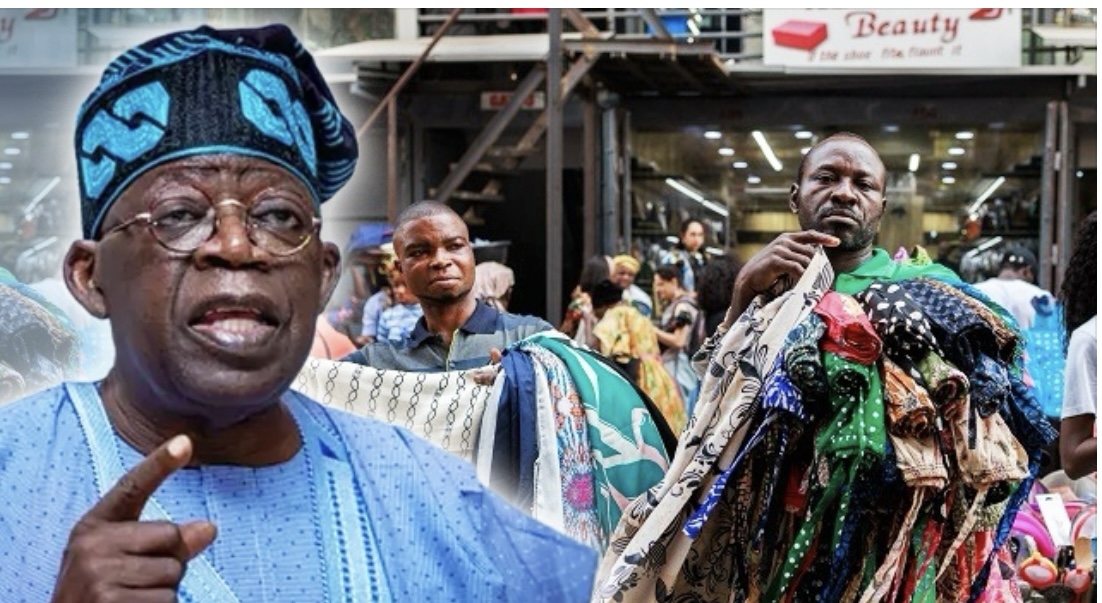
Nigerians woke up to chaos on Monday morning as South Africans took to the streets of Albany and Buffalo under KuGombo, popularly known as East London, to protest against the coronation of a Nigerian Igbo chief, Solomon Eziko, which took place early March.
The installation was greeted with outrage from South Africans, who cited clashes of traditional values and disrespect to the sovereignty of their country.
Saturday PUNCH reports that about 26 Nigerians were injured and hospitalised, while property, including cars and shops worth millions of rands (billions of naira) were destroyed.
Viral videos showed Nigerians being humiliated and battered by South African people and security operatives, who demanded their exit from the country.
In one of the videos, South African MKP Labour and Civic Organisation officials asked a Nigerian man to close his tent, pack his wares and leave their country.
Another video revealed how South Africans trooped out in their numbers to force Nigerians to close businesses and leave their country.
In another video, Nigerians ran helter-skelter, scampering for safety as their hosts dehumanised them.
An opportunity for attack
The President of the Nigerian Citizen Association South Africa, Rev Frank Onyekwelu, who spoke with Saturday PUNCH on the matter, said South Africans used the opportunity to launch xenophobic attacks.
According to him, before the demonstrations, South Africans had been threatening Nigerians and other foreigners.
“A number of them have been going with the agenda that they want to reclaim South Africa for South Africans. Hence they want all African foreigners, legally or illegally, to go. As a result of that, they have been pushing out hate speeches against foreigners in the public, social media, television, and radio,” Onyekwelu said.
The Nigerian community leader said South Africans marched to the streets in East London to hide under the guise of the coronation to destroy Nigerian businesses, loot their shops and burn their cars.
“They said even if the world sees it as xenophobic, they don’t care. They claimed that they fought against apartheid by themselves.
“Properties of Nigerians were damaged, cars were torched, and businesses were looted particularly in the provinces of KwaZulu-Natal and Eastern Cape.
“In other places where there were no attacks, they approached Nigerians, hauled their goods on the streets, told them to vacate the areas, and leave South Africa. There were threats to the lives and properties of Nigerians,” he added.
Saturday PUNCH gathered that the attacks had created tension among Nigerians.
Onyekwelu described it as “an act of stereotype, xenophobic attacks and prejudice against their own African brothers.”
“They cannot do this to Westerners like Chinese, Indians and Europeans living in their country. These people are occupying large places, properties, industries and farms in South Africa, and South Africans cannot do anything to them.
“It will interest you that there is a place in Northern Cape called Orania. It is a secluded area where these people live and have their own currency, bylaws, amenities, and South Africans are aware of it. But they (Westerners) strictly prohibit anyone who is not from their tribe or region from going.”
He decried the persistent attacks South Africans unleashed on Nigerians as “prejudiced and xenophobic.”
‘Most stupid thing’
However, another Nigerian who spoke with Saturday PUNCH, blamed the reported attacks on the coronation, describing it as a “most stupid thing.”
The source also said though the protests had subsided, there were reports of protesters regrouping to continue attacks on Nigerians.
“The crowning of the Igwe is the most stupid thing any African migrants could have done in South Africa in a Municipal election year, at a time when there is high anti-migrant sentiment.
“We received information about another planned protest and asked our members with businesses in the Central Business District to lock up their shops,” he said.
According to the source, Nigerians are not the only victims, though primarily the targets.
“Parts of Buffalo Street and Albany Street were affected by the violent protest. Somalians, Pakistanis, Ethiopians and some South African shops in that area were affected.”
Punch