

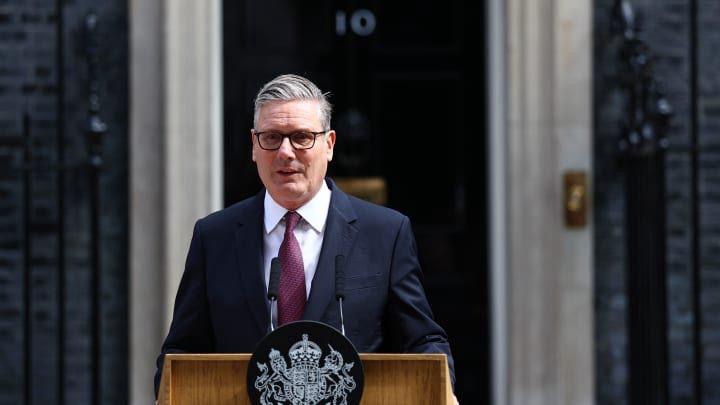


Britain is set to have its seventh prime minister in just 10 years after Labour leader Keir Starmer was forced out by his own party on Monday.
Starmer’s downfall mirrors a pattern that previously plagued the Conservative Party, whose internal divisions led to a rapid succession of leaders during their time in government.
After months of declining poll numbers and growing unrest among Labour MPs, Starmer announced his resignation. Veteran Labour figure Andy Burnham has since confirmed his intention to run for the party leadership and succeed him.
Before Labour’s landslide victory in the July 2024 general election, the Conservatives had already cycled through five prime ministers since 2016. The constant changes at the top prompted Starmer, while in opposition, to criticize the “chaos” of repeatedly replacing national leaders.
Less than two years into office, he has now become the latest casualty of that same political instability.
David Cameron (May 2010 – July 2016)
Cameron’s premiership came to an abrupt end following Britain’s decision to leave the European Union.
Having campaigned for the UK to remain in the bloc, he resigned after voters backed Brexit in the June 2016 referendum, bringing his second term as prime minister to a close.
Theresa May (July 2016 – July 2019)
May inherited the challenge of delivering Brexit after years serving as home secretary.
Seeking a stronger mandate, she called a snap election in 2017, but the gamble backfired. Although the Conservatives remained the largest party in Parliament, they lost their majority.
Her inability to secure parliamentary approval for her Brexit deal, combined with poor Conservative results in the 2019 European Parliament elections, eventually forced her resignation.
Boris Johnson (July 2019 – September 2022)
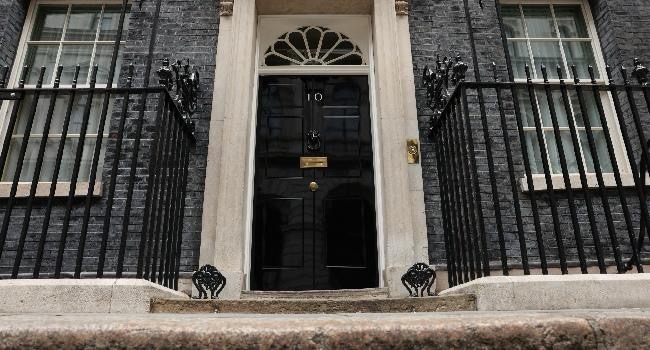
Johnson entered Downing Street promising to “get Brexit done” and later faced the unprecedented challenge of steering the country through the Covid-19 pandemic.
He secured a decisive Conservative victory in the 2019 general election but became increasingly weakened by a series of scandals.
A wave of resignations by ministers and senior aides ultimately left his position untenable, leading to his departure in 2022.
Liz Truss (September 2022 – October 2022)
Truss served as prime minister for just 49 days, making her the shortest-serving leader in British history.
Her government’s controversial mini-budget, centred on unfunded tax cuts, triggered market turmoil and raised fears of a financial crisis.
As confidence in her leadership collapsed, support within her party evaporated, forcing her resignation.
Rishi Sunak (October 2022 – July 2024)
Sunak took office with the task of restoring stability after the turmoil of the Truss administration.
While he succeeded in calming financial markets, he struggled to overcome persistent divisions within the Conservative Party.
Facing widespread voter frustration over rising living costs, Sunak and the Conservatives were defeated by Labour in the 2024 general election, ending 14 years of Tory rule.
Keir Starmer (July 2024 – June 2026)
Starmer came to power promising stability and a break from years of political turbulence.
However, declining public support and mounting pressure from within his own party undermined his leadership. After less than two years in office, he resigned, becoming the latest prime minister to fall victim to internal party unrest.
His departure continues a remarkable period in British politics, during which leadership changes have become a defining feature of government.