

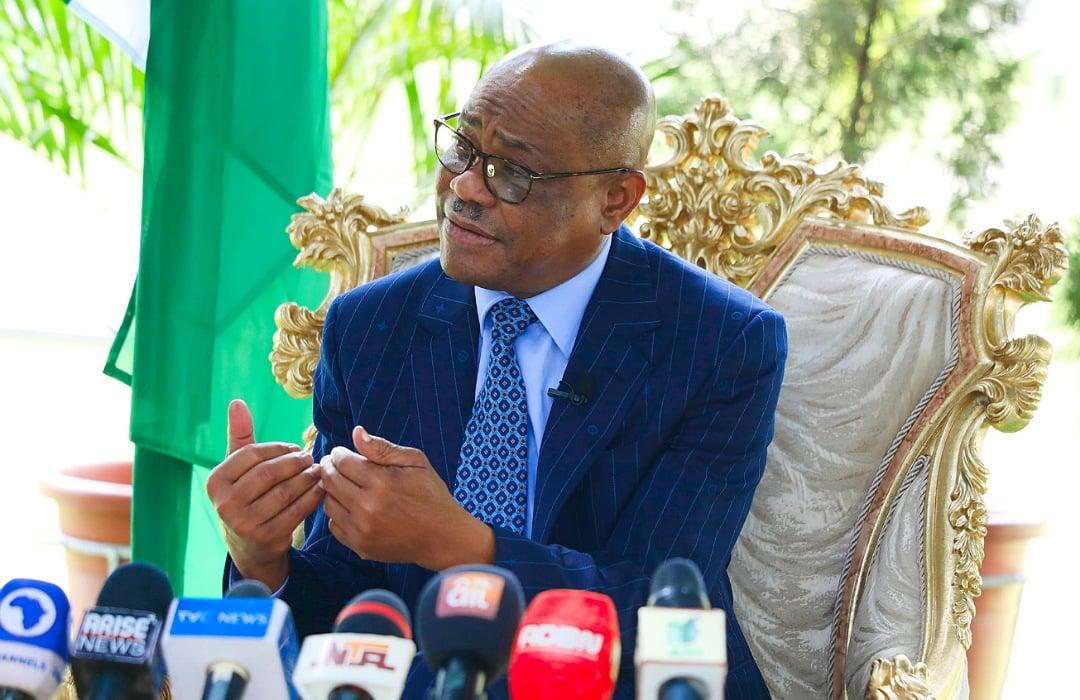
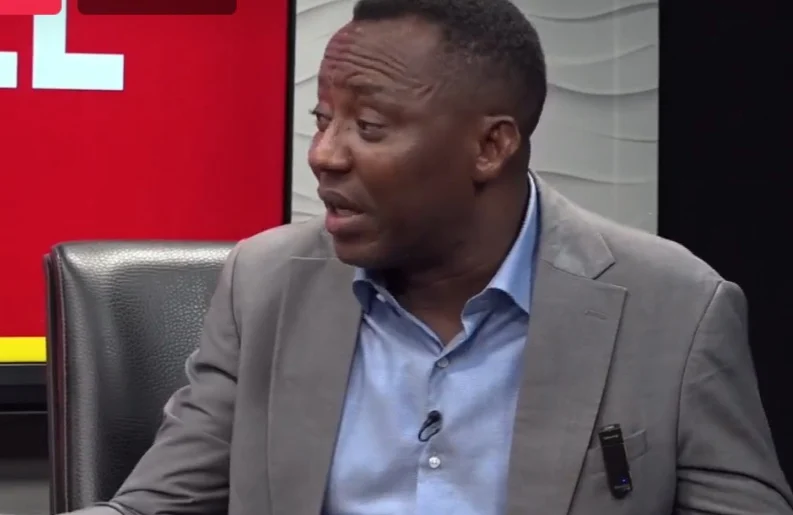


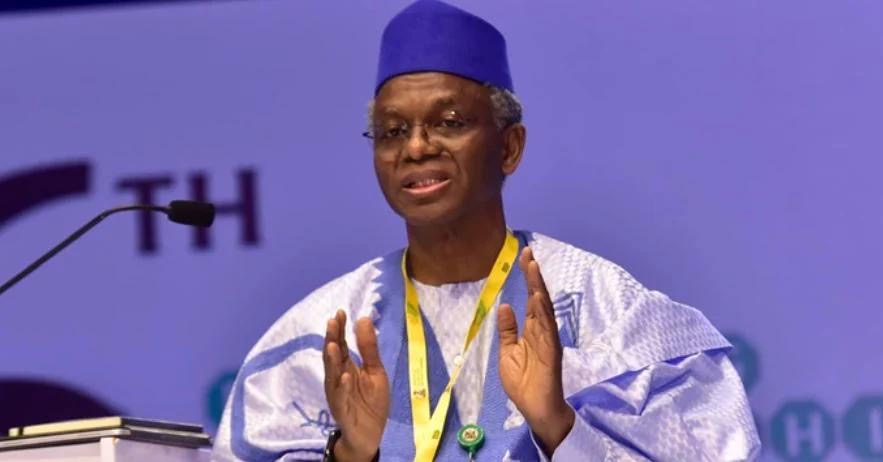
The Federal High Court in Abuja on Monday replayed an interview granted by former Kaduna State Governor Nasir El-Rufai as human rights lawyer Deji Adeyanju testified in the alleged phone-tapping case brought against the former governor by the State Security Service (SSS).
Testifying before Justice Joyce Abdulmalik as the second prosecution witness, Adeyanju told the court that the interview accurately reflected what he witnessed during a February 13 Arise Television programme in which El-Rufai made comments concerning the alleged interception of a telephone conversation involving the National Security Adviser, Nuhu Ribadu.
Adeyanju recalled that reports emerged on February 12 suggesting that El-Rufai could be arrested or invited for questioning by security agencies following his return from Cairo, Egypt.
According to him, he publicly advised the former governor to honour any invitation from security agencies, insisting that the matter should not be viewed through a political lens.
He told the court that both he and El-Rufai appeared on the same Arise Television programme on February 13, although his segment aired after that of the former governor.
“I watched El-Rufai’s interview and listened to his comments on several issues. During my segment, I challenged a number of his claims because I believed they were either inaccurate or only partially true,” Adeyanju said.
The lawyer further stated that he was later invited by the SSS, where he made a statement regarding the interview.
“I confirmed that El-Rufai said someone had tapped the call and provided him with the information. I documented that in my statement,” he told the court.
Following an application by the prosecution, the court replayed the interview previously tendered during the testimony of the first prosecution witness. After viewing the recording, Adeyanju affirmed that it accurately represented what transpired during the broadcast.
Led in evidence by prosecution counsel Oluwole Aladedoye (SAN), Adeyanju tendered the subpoena compelling his appearance in court. The document was admitted as Exhibit G after defence counsel, Paul Erokoro (SAN), raised no objection.
The prosecution also tendered a flash drive containing Adeyanju’s interview on the programme, along with a certificate of compliance. Both were admitted into evidence and marked as Exhibits H and H1.
In the interview played before the court, Adeyanju argued that if the government intended to arrest El-Rufai, security operatives would have done so upon his arrival at the airport.
He also referenced reports that the Independent Corrupt Practices and Other Related Offences Commission (ICPC) was investigating the former governor and maintained that any prosecution should only follow the completion of such investigations.
Adeyanju further described El-Rufai as an “ardent violator of human rights” and characterised his current situation as “karma.”
During cross-examination, defence counsel Erokoro asked whether he heard El-Rufai explicitly state that he personally tapped a telephone conversation.
In response, Adeyanju said El-Rufai had stated during the interview that “we listened to their calls.”
He added that if someone claimed a telephone conversation had been hacked, he would report the matter because he would not know how such an act was carried out.
The witness, however, acknowledged that he had no knowledge of the manner in which the National Security Adviser conducted his telephone conversations and reiterated that he appeared before the court solely in compliance with a subpoena.
Justice Abdulmalik subsequently adjourned the matter until June 23 for the continuation of trial.