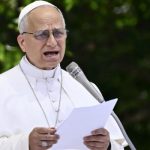






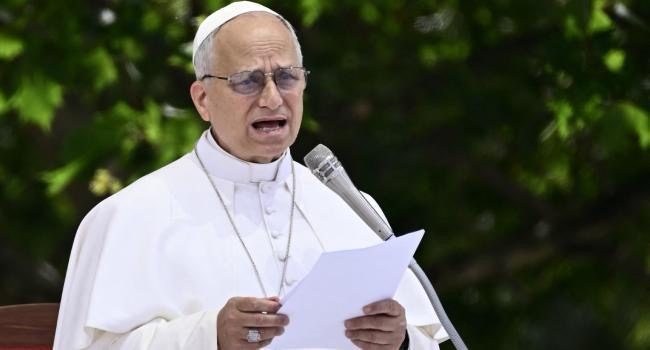
Pope Leo XIV on Monday criticized what he described as the growing
“bureaucratisation of solidarity,” warning that excessive administrative hurdles are delaying humanitarian assistance to millions of hungry people around the world, even as weapons continue to flow into conflict zones.
Speaking during a visit to the headquarters of the World Food Programme (WFP) in Rome, the pontiff called on the international community to increase funding for efforts to combat hunger and address its underlying causes.
He also urged governments and institutions to eliminate barriers that prevent aid from reaching vulnerable populations.
According to the pope, humanitarian concerns are often sidelined despite widespread declarations about the importance of reducing human suffering.
“There is a widening gap between what is acknowledged in principle and what is prioritized in practice,” he said, adding that this has led to a growing bureaucratization of humanitarian efforts and the gradual commodification of human life.
Leo noted that aid agencies are increasingly constrained by administrative procedures that slow the delivery of assistance. At the same time, he said, access to essential resources such as food is frequently influenced by economic and geopolitical interests.
“As a result, people who do not represent measurable economic value risk being overlooked and forgotten,” he said.
The 70-year-old pope also highlighted what he called a troubling contradiction in global priorities, arguing that while humanitarian and development projects often face obstacles, the movement of weapons encounters far fewer restrictions.
“In many cases, conflicts are supplied more readily than people are fed,” he said, describing the situation as evidence of a serious imbalance in political and moral priorities.
The US-born leader of the world’s 1.4 billion Catholics called for stronger support for organizations fighting hunger, including the UN’s World Food Programme, which assisted 121 million people in 2025.
The WFP has reported significant funding reductions from major donors in Europe and the United States in recent years, even as humanitarian needs continue to rise. Ongoing conflicts, particularly in the Middle East, have further complicated aid operations, increasing logistical challenges and driving up the cost of delivering assistance across several countries.