






The Federal Government has revealed that Nigeria is currently hosting more than 100,000 refugees and asylum seekers, mostly from countries within the Lake Chad Basin, while millions of citizens remain internally displaced as a result of various humanitarian challenges.
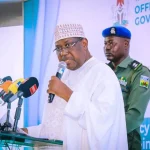
The disclosure was made on Monday in Abuja by the Secretary to the Government of the Federation (SGF), Senator George Akume, during the commemoration of the 2026 World Refugee Day themed, “Until Everyone is Safe.”
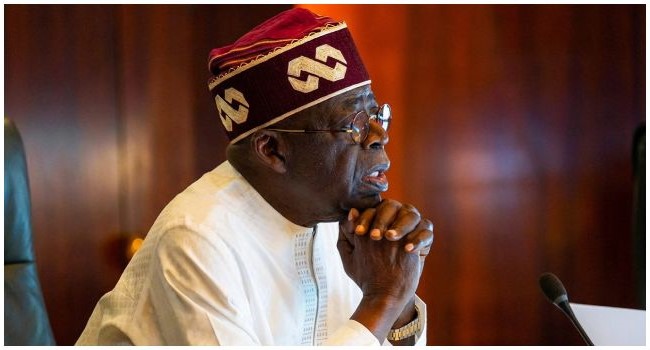
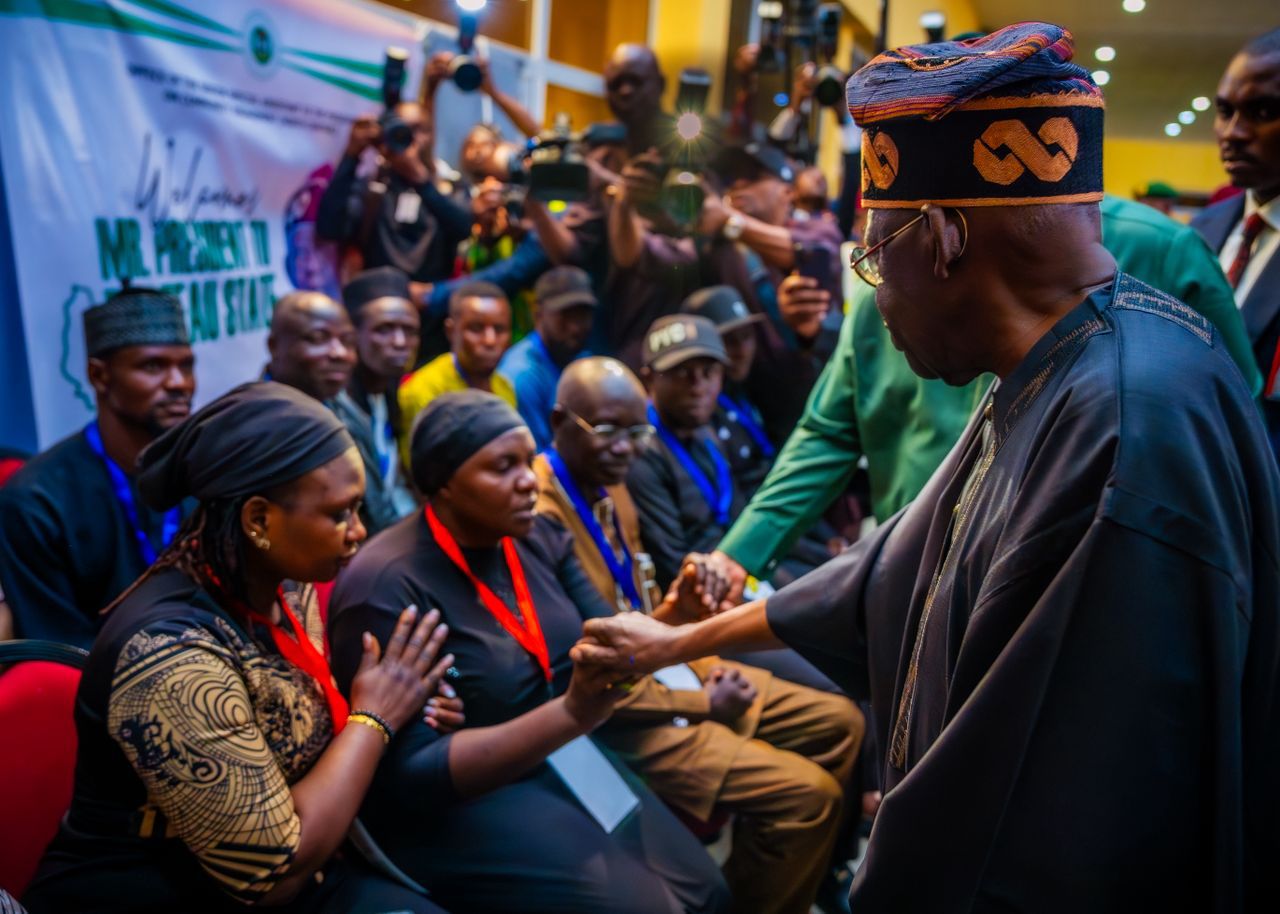
According to a statement issued by the Head of Information and Public Relations at the Office of the SGF, Chris Ugwuegbulam, Akume said the administration of President Bola Ahmed Tinubu remains committed to protecting, supporting and empowering refugees, asylum seekers and internally displaced persons (IDPs) in line with the Renewed Hope Agenda.
He noted that the Federal Government’s response is built on three strategic pillars — protection, livelihoods and durable solutions — being implemented through the National Commission for Refugees, Migrants and Internally Displaced Persons (NCFRMI).
Akume explained that government interventions are increasingly focused on linking humanitarian assistance with long-term development initiatives to help displaced persons rebuild their lives and become self-reliant.
“The Federal Government is deliberately moving from palliative measures to sustainable pathways by connecting humanitarian response with development opportunities,” he said.
“We are committed to ensuring that displaced persons not only survive but thrive through access to livelihoods, agribusiness opportunities, education and social protection programmes.”
The SGF stressed that rising cases of climate-induced displacement, insecurity and prolonged conflicts across the world highlight the urgent need for stronger international collaboration.
He further emphasized that refugees and IDPs should not be viewed merely as victims but as individuals with immense potential who deserve dignity, opportunity and support.
Akume also disclosed plans to expand the National Social Register to include more vulnerable persons, particularly displaced populations and host communities, to ensure targeted, transparent and data-driven humanitarian assistance.
In his keynote address, the Minister of Humanitarian Affairs and Poverty Reduction, Dr. Bernard Doro, praised the resilience and courage of refugees worldwide and reaffirmed Nigeria’s commitment to global humanitarian principles.
He called on governments, development partners, humanitarian agencies and host communities to intensify efforts toward providing protection, durable solutions and opportunities for self-reliance for refugees.