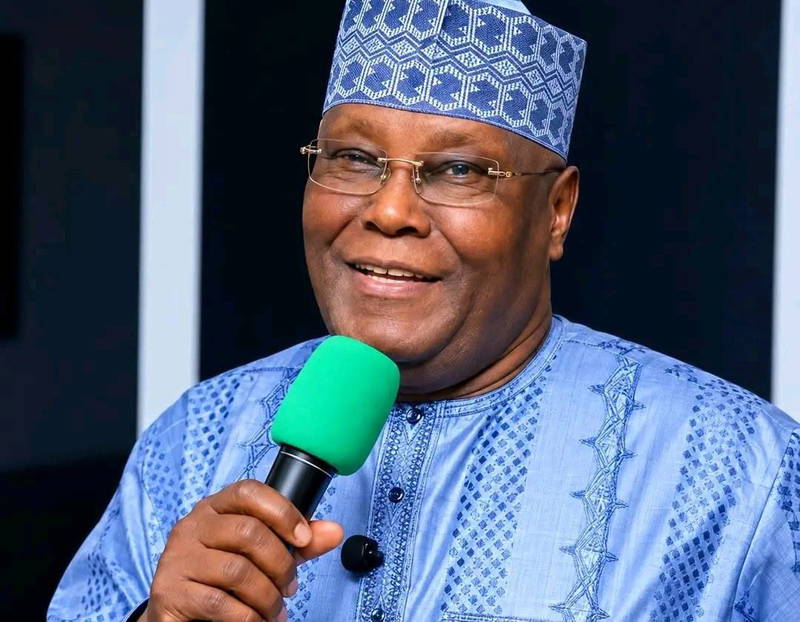
Paul Ibe, media adviser to former Vice-President Atiku Abubakar, has criticised the Federal Government’s 30-day petrol price reduction initiative, arguing that millions of Nigerians may be excluded from the relief because of the limited geographical spread of Nigerian National Petroleum Company Limited (NNPC) retail outlets.
Ibe, in a post on his X handle on Friday, said the government should focus on making petrol affordable nationwide rather than engaging in debates over whether the initiative amounted to a subsidy or a discount.
“Nigerians need relief, not semantics,” he said, accusing President Bola Tinubu’s administration of prioritising terminology over practical solutions to the economic hardship confronting citizens.
While acknowledging that any genuine reduction in petrol prices would be welcome, Ibe insisted that the relief must be equitable, accessible and sustainable.
He argued that the limited number of NNPC retail outlets across the country could prevent a significant number of Nigerians from benefiting from the initiative.
According to him, Nigeria has approximately 22,681 filling stations, while NNPC operates more than 900 outlets, representing about four per cent of the country’s total retail network.
He added that NNPC’s estimated retail market share stood at 17 per cent in 2024, while the company’s July 2026 report indicated petrol availability across its retail network at 52 per cent.
Against this backdrop, Ibe questioned how the government intended to deliver meaningful nationwide relief through a network with limited geographical coverage and reported supply challenges.
“How does the government propose to provide meaningful nationwide relief through a network with such limited geographical coverage and documented supply challenges?” he asked.
The former vice-president’s aide also raised concerns about Nigerians living in communities without NNPC filling stations, noting that they might have to travel long distances and incur additional transportation costs to access the discounted petrol.
He warned that the arrangement could create unequal access to affordable fuel, likening the situation to the electricity Band A, B and C classification, under which consumers experience different service conditions and tariffs depending on their locations and categories.
“Petrol affordability must not become another postcode lottery,” he said.
Ibe maintained that whether NNPC surrendered part of its retail profit margin or the government directly subsidised consumers, the initiative amounted to an acknowledgement that market forces alone could not protect Nigerians from high petrol prices.
He argued that the administration was attempting to address a nationwide affordability crisis through a retail network accounting for only a small fraction of the country’s filling stations.
“Nigerians deserve more than a 30-day experiment,” he said.
Ibe advocated the production-based subsidy proposed by Atiku, arguing that reducing costs at the point of production would allow the benefits to reach consumers through the wider fuel distribution network.
According to him, the approach would provide a more sustainable means of making petrol affordable across the country, rather than restricting the benefits to customers who can access selected NNPC outlets.
“You cannot solve a nationwide affordability crisis with a narrowly targeted discount. Nigerians need cheaper petrol everywhere, not cheaper petrol somewhere, and certainly not for just 30 days,” he said.
Ibe further accused the Tinubu administration of moving towards what he described as an opaque subsidy regime, despite its earlier declaration that the petrol subsidy had been removed.