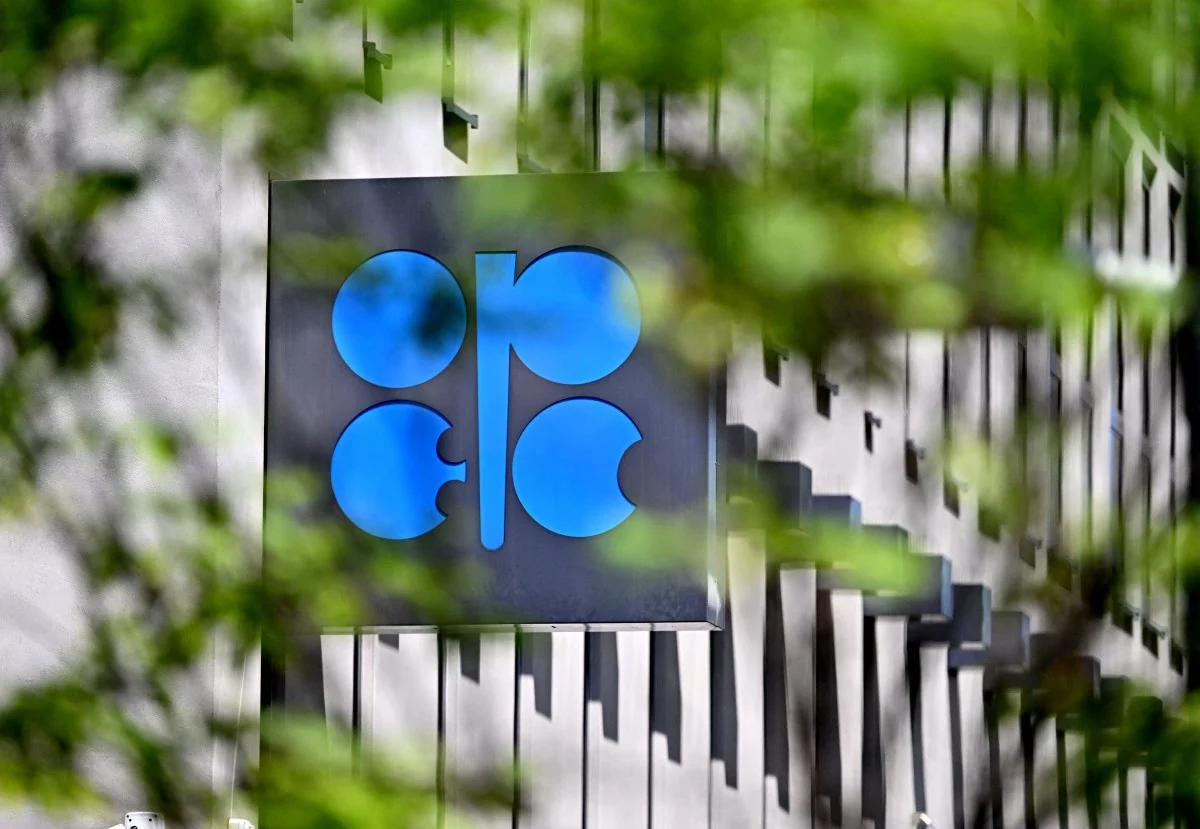



Saudi Arabia, Russia and five other key members of OPEC+ have agreed to increase oil production by 188,000 barrels per day from September, as the alliance completes the rollback of one of its voluntary output cuts amid ongoing disruptions linked to the Middle East conflict.
The decision was reached during an online meeting on Sunday, with the group confirming the move in a joint statement.
“The seven participating countries decided to implement a production adjustment of 188 thousand barrels per day,” the statement said.
The increase, which had been widely anticipated by analysts, marks the final phase of unwinding the second of three production-cut packages introduced by the Organisation of the Petroleum Exporting Countries and its allies (OPEC+).
Jorge Leon, an analyst at Rystad Energy, said the alliance had effectively completed the reversal of its voluntary production cuts.
“OPEC+ has finished unwinding its voluntary cuts. The next challenge is managing the surplus that could emerge as export flows normalise,” he said.
Leon noted, however, that the immediate market impact would likely remain limited because shipping through the Strait of Hormuz continues to face disruptions.
“Today’s decision changes little in the near term because the Strait of Hormuz remains constrained. The real market impact will come when normal export flows resume,” he added.
Exports from Gulf producers have been hampered by the near-paralysis of the Strait of Hormuz, triggered by Iran during the Middle East conflict, despite a temporary increase in shipping activity following the signing of a U.S.-Iran memorandum of understanding in June.
Analysts also pointed out that several OPEC+ members are unable to meet their existing production quotas because of declining output capacity.
Giovanni Staunovo, an analyst at UBS, said higher production targets have become less significant for countries that lack the capacity to produce at those levels.
The September output increase was agreed by Saudi Arabia, Russia, Iraq, Kuwait, Kazakhstan, Algeria and Oman.
Looking ahead, Leon said OPEC+ is expected to maintain current production levels through the fourth quarter as it shifts attention to negotiations over production quotas for 2027.
“Having completed the restoration campaign, OPEC+ has little incentive to rush into further supply changes. Our base case is a fourth-quarter pause while the group prepares for the 2027 quota negotiations,” he said.
“For now, geopolitics is masking the scale of the supply increase. That will become much clearer once export flows normalise.”
Despite the decision, uncertainty remains over how quickly member states will be able to increase production.
Iraq has indicated its intention to significantly raise output, while Russia continues to face production constraints due to repeated Ukrainian drone attacks on its oil infrastructure. Russian production currently stands at about nine million barrels per day, below its target of 9.8 million barrels.
Analysts at DNB Carnegie said the September increase could set the stage for difficult negotiations over new production quotas beginning next year.
OPEC+ introduced three rounds of production cuts between late 2022 and 2023, removing nearly six million barrels per day from the global market in an effort to support weakening oil prices.
However, Saudi Arabia, Russia, Iraq, Kuwait, Kazakhstan, Algeria, Oman and the United Arab Emirates—which exited the group on May 1—later shifted strategy by gradually increasing production from 2025.
While Leon believes the alliance remains united for now, he cautioned that the UAE’s departure has exposed underlying challenges to the group’s long-term cohesion.