




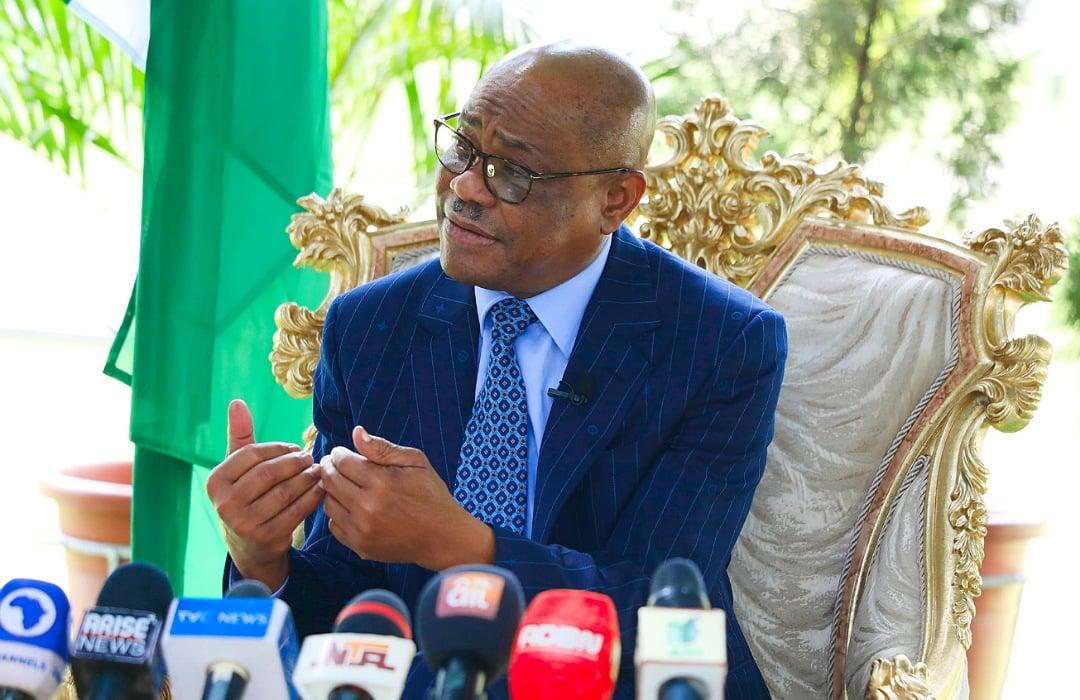




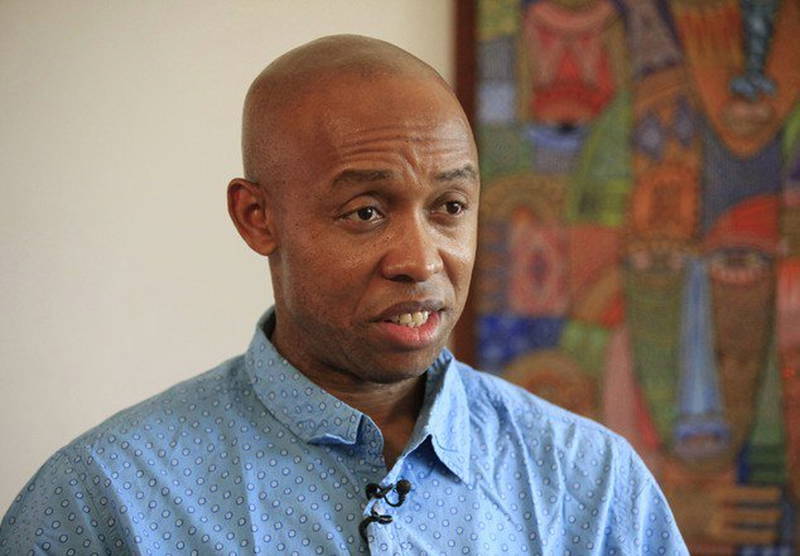

NNPC Ltd.’s Executive Vice President, Gas, Power & New Energy, Olalekan Ogunleye 2nd from right), speaking today (Monday) at a panel themed, ‘The New LNG Order: Leadership Strategies for Energy Security and Growth,’ during the ongoing 2026 Gas Technology & Exhibition Conference (GASTECH), in Bangkok, Thailand.
The Nigerian National Petroleum Company Limited (NNPCL) has unveiled plans to increase Nigeria’s proven gas reserves from more than 215 trillion cubic feet (tcf) to over 600 tcf and raise national gas production to 12 billion cubic feet per day (Bcf/d) by 2030.
The company said the initiative is part of efforts to position Nigeria as a global gas hub while using the country’s vast gas resources to drive domestic industrialisation and expand its presence in international energy markets.
NNPCL Executive Vice President, Gas, Power and New Energy, Olalekan Ogunleye, disclosed this in a statement issued on Monday by the company’s Chief Corporate Communications Officer, Andy Odeh.
Ogunleye said Nigeria was leveraging its more than 215 tcf of proven gas reserves to support industrial growth and increase exports, while the company’s Gas Master Plan (GMP) seeks to unlock additional resources and raise reserves beyond 600 tcf.
“Gas development and monetisation from Nigeria’s standpoint is a purely commercial play. NNPC Ltd. is implementing a Gas Master Plan (GMP) engineered as a gap-to-potential tool to move Nigeria from a 215 tcf reserves position to above 600 tcf,” Ogunleye said.
He explained that the company’s strategy is anchored on stronger coordination across the sector and guided by the Petroleum Industry Act (PIA), the Decade of Gas Framework and the Gas Master Plan.
According to the statement, NNPCL’s near-term objective is to increase national gas production to 10 Bcf/d by 2027 and 12 Bcf/d by 2030.
Ogunleye also described Nigeria as a reliable supplier of gas to the global market, noting that the country is currently undertaking a major expansion of its gas export capacity.
He cited Nigeria LNG’s Trains 1–6, which have a combined production capacity of 22 million tonnes per annum and have exported more than 6,000 LNG cargoes since operations began in 1999.
The company said the planned expansion of gas reserves and production would strengthen Nigeria’s energy security, support industrial development and enhance the country’s capacity to compete in the global gas market.