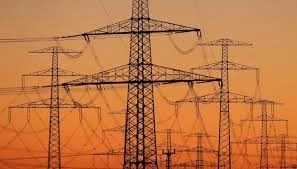
Nigerians are experiencing worsening electricity supply as gas shortages and declining water levels in hydroelectric reservoirs combine to reduce power generation across the national grid.
The situation has forced electricity distribution companies (DisCos) to cut supply hours and increase load shedding across their networks, leaving households and businesses with fewer hours of electricity amid rising temperatures and increased demand for cooling.
The Nigerian Independent System Operator (NISO) disclosed this in a statement signed by its management on Thursday, attributing the decline in electricity generation to inadequate gas supplies to thermal power plants and reduced output from hydroelectric stations.
The development highlights the vulnerability of Nigeria’s electricity system, which depends largely on gas-fired thermal plants and hydropower for grid electricity.
In the statement, NISO explained that limited gas availability had prevented affected thermal power stations from operating at their available capacity, while reduced water inflows into reservoirs had constrained electricity generation from hydroelectric plants.
It stated: “The Nigerian Independent System Operator wishes to inform the public that the current decline in electricity generation on the national grid is primarily attributed to constraints in gas supply to thermal power generating stations and reduced output from hydroelectric power stations.
“The limited availability of gas has constrained the capacity of affected thermal generating stations to operate at their available levels, while reduced water inflows into reservoirs have impacted the generation capacity of hydroelectric power stations.”
NISO said the combined challenges had reduced the volume of electricity available for distribution to consumers, forcing DisCos to adjust their supply schedules.
According to the operator, the shortfall has resulted in fewer hours of electricity supply and increased load shedding across distribution networks, with the impact varying according to the volume of available generation and allocations to individual DisCos.
The development comes amid intense heat, making reliable electricity increasingly important for households, businesses and public facilities that depend on fans, air conditioners and other cooling equipment.
Small businesses that rely on electricity for refrigeration, water pumping, food preservation and other daily operations are also affected, potentially forcing many to increase their dependence on expensive petrol and diesel generators.
The situation has raised further concerns amid the emerging effects of El Niño, a climate phenomenon associated with unusually high global temperatures and changes in rainfall patterns.
The Nigerian Meteorological Agency (NiMet), in an August 2026 climate update, confirmed the development of a strong El Niño event, which was expected to influence global weather patterns.
The World Meteorological Organisation (WMO) also projected that the phenomenon could strengthen towards the end of 2026 and persist into early 2027.
The combination of high temperatures and unreliable electricity has increased pressure on households, particularly those depending on electric fans and air conditioners to cope with the heat.
Nigeria relies heavily on gas-fired thermal power stations, with hydroelectric plants providing another major source of electricity. Consequently, disruptions affecting either source can significantly reduce the amount of power available to consumers.
Acknowledging the hardship caused by the generation shortfall, NISO said it was working to manage available electricity and strengthen the resilience of the national grid.
The operator assured Nigerians of its commitment to maintaining grid stability, optimising the dispatch of available electricity and ensuring the secure, reliable and efficient operation of the national grid within existing operational constraints.
It added that efforts were also ongoing to diversify the energy mix to improve electricity supply security.
The latest development has once again highlighted the need to address persistent gas supply challenges and accelerate investment in alternative energy sources to reduce Nigeria’s dependence on conventional power generation and minimise disruptions to electricity supply.