











The Federal Government has reviewed its anti-kidnapping strategy and launched the second phase of the expansion of the Multi-Agency Anti-Kidnap Fusion Cell to states as part of efforts to enhance intelligence sharing and strengthen coordinated operations against kidnapping nationwide.
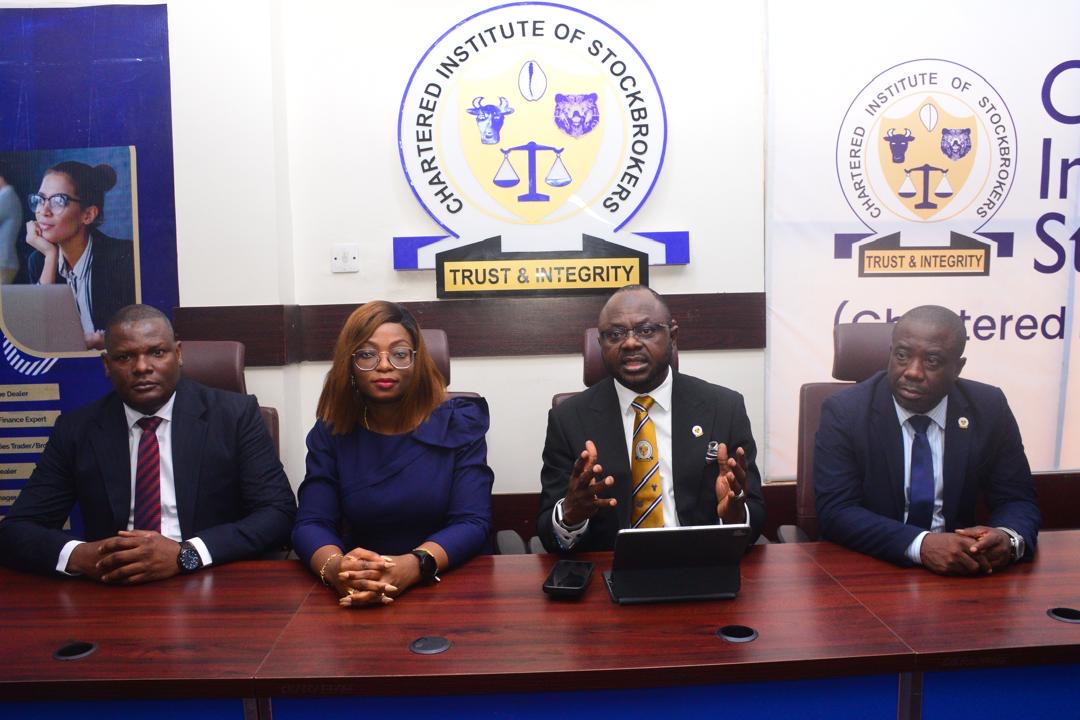
The initiative was unveiled by the National Counter Terrorism Centre (NCTC), under the Office of the National Security Adviser (ONSA), in collaboration with the United Kingdom’s National Crime Agency, during the inauguration of the Second Edition of the Multi-Agency Anti-Kidnap Fusion Cell State Expansion Programme and Stakeholders’ Meeting in Abuja.
According to a statement issued on Thursday by the Head of Strategic Communication at NCTC-ONSA, Abu Michael, the week-long programme, running from July 6 to July 10, brings together representatives of security, intelligence and law enforcement agencies, Ministries, Departments and Agencies (MDAs), as well as international partners, including the British High Commission.
The meeting is aimed at assessing progress made so far, reviewing operational procedures and strengthening Nigeria’s coordinated response to kidnapping.
Representing the National Security Adviser, Nuhu Ribadu, the National Coordinator of the NCTC, Maj. Gen. Adamu Garba Laka, described kidnapping as one of Nigeria’s most critical security challenges, stressing the need for stronger collaboration among security agencies.
In a speech delivered by the Director of Intelligence, Brig. Gen. Peter Gbor, Laka said criminal groups had become more sophisticated by leveraging technology and operating across multiple jurisdictions.
“Kidnapping remains one of Nigeria’s most pressing security threats, with criminal groups increasingly employing sophisticated tactics, exploiting technology and operating across multiple jurisdictions,” he said.
He noted that tackling the evolving threat requires sustained inter-agency collaboration, timely intelligence sharing and coordinated operational responses.
Laka said the Multi-Agency Anti-Kidnap Fusion Cell has significantly improved intelligence integration, operational coordination, geospatial analysis and information sharing among security agencies, contributing to the disruption of kidnapping networks, successful rescue operations and enhanced investigative capacity.
Despite the progress recorded, he acknowledged that significant challenges remain and urged stakeholders to use the meeting to identify and address existing operational gaps.
He called on participants to harmonise operational procedures, strengthen investigation and prosecution processes, and develop practical recommendations that would further enhance Nigeria’s capacity to prevent kidnapping and safeguard its citizens.