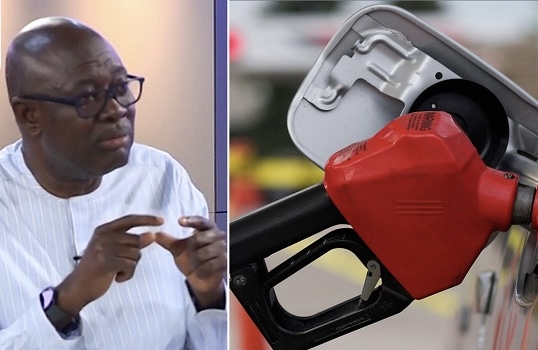




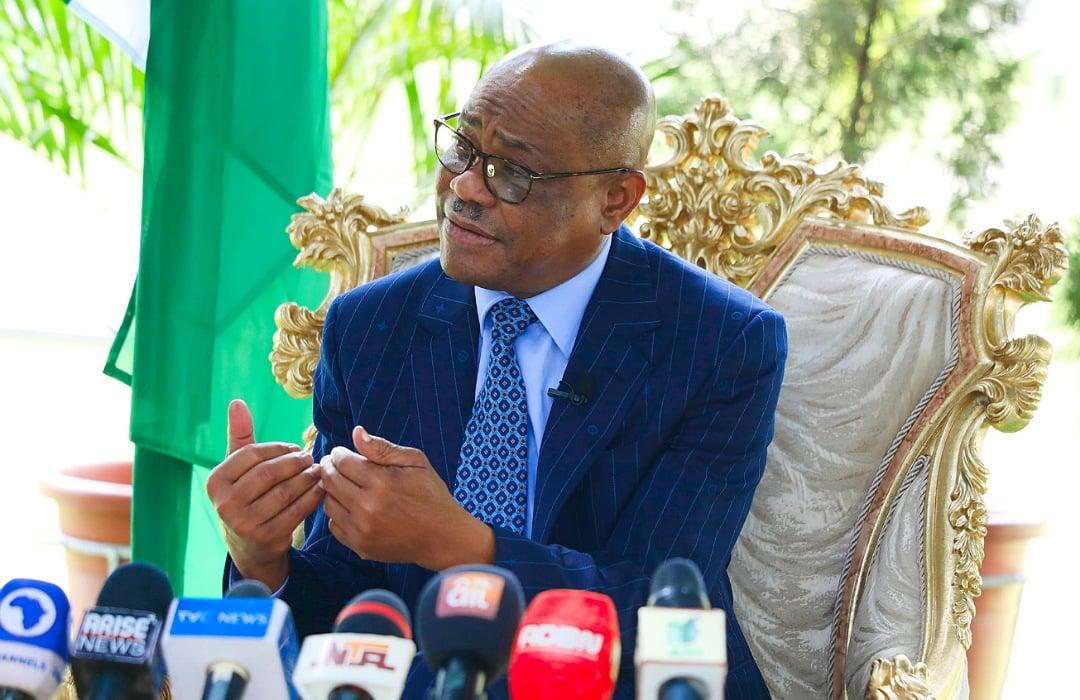





The Minister of State for Petroleum Resources, Heineken Lokpobiri, has said the Nigerian government has limited control over petrol prices because crude oil and refined petroleum products are traded in the global market.
Speaking amid concerns over rising petrol prices in Nigeria, Lokpobiri said the situation was not unique to the country, noting that consumers in the United States and Europe were also being affected by higher energy costs.
He attributed the recent pressure on energy prices partly to the ongoing crisis in the Middle East and warned that prices may remain elevated if the situation persists.
“Because of what is happening in the Middle East, it is expected that energy prices may not come down. We should also know that oil and gas is a global commodity. What is sold in New York is also what is sold here,” Lokpobiri said on Channels Television’s Politics Today on Tuesday.
According to him, the impact of high energy costs is being felt globally, with consumers in different parts of the world experiencing reduced purchasing power.
“The difficulties Nigerians are facing are not peculiar to Nigerians. If you go to America, the purchasing capacities of Americans are also affected. If you go to Europe, the purchasing capacities of Europeans are also affected. The energy cost is a global thing and its effect is a global thing,” he said.
The minister explained that Nigeria could not arbitrarily regulate petrol prices without effectively bringing back fuel subsidies, given the deregulated nature of the downstream petroleum sector.
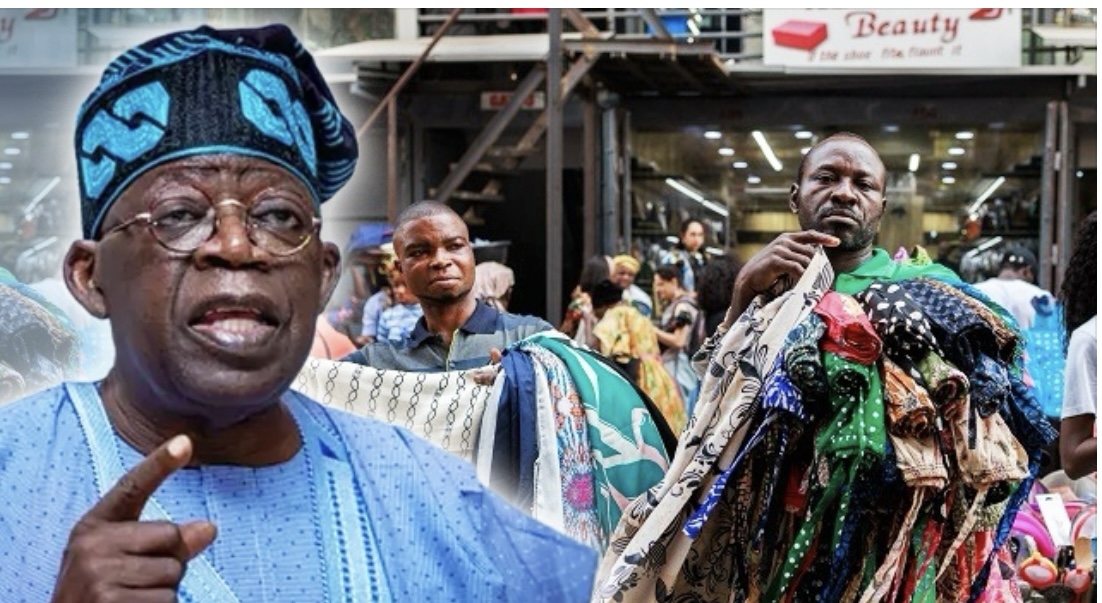
Asked whether President Bola Tinubu’s administration had the power to reduce or increase petrol prices, Lokpobiri said the government could not directly control prices under the current deregulated system.
“No, we don’t [have the power to control the price] because it is completely deregulated in line with global best standards all over the world,” he said.
Lokpobiri, who also leads Nigeria’s delegation to the Organisation of the Petroleum Exporting Countries (OPEC), said fluctuations in Nigeria’s crude oil production would not necessarily determine domestic fuel prices because crude oil is traded globally.
“As far as I am concerned, whether we are producing three million barrels today, the price will not change because it is a global commodity,” he said.
‘Subsidy Removed at the Right Time’
The minister also defended President Tinubu’s decision to announce the removal of petrol subsidy on the day of his inauguration, describing the move as timely.
He argued that failing to remove the subsidy could have pushed Nigeria towards a severe economic crisis similar to that experienced by Venezuela.
“This decision was made at the right time and if it wasn’t made then, Nigeria would have been like Venezuela,” Lokpobiri said.
He added that removing the subsidy had saved the government substantial funds, which could instead be redirected towards other areas of the economy.