











The Federal Government has stressed the importance of early cancer detection, saying the stage at which the disease is diagnosed plays a major role in determining the treatment approach and chances of cure.
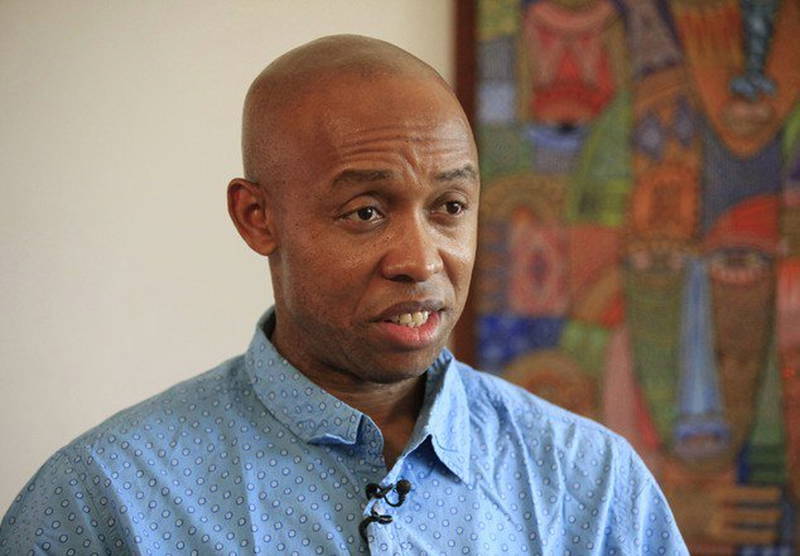
Dr Uchechukwu Nwokwu, National Coordinator, National Cancer Control Plan, Federal Ministry of Health and Social Welfare, stated this in an interview with the News Agency of Nigeria on Sunday in Abuja.
Nwokwu explained that cancer progresses through four stages, noting that it is not a single disease but a group of diseases that can affect different organs and behave differently depending on the type and the cells from which it originates.
He said cancer begins when abnormal cells develop in a particular organ or body system, with the extent to which the disease has spread determining its stage.
According to him, Stage One refers to cancer that remains confined to the area where it originated and has not spread to other parts of the body.
“When the cancer may arise from a small cell inside the organ of a particular system of the body, and as long as it is within the area it originated is an early stage, stage one,” he said.
Nwokwu said Stage Two occurs when the cancer has extended beyond its original area but remains within the affected organ.
He explained that Stage Three is reached when the disease grows beyond the affected organ but remains within the same body system or surrounding region.
“For example, if a breast cancer is growing beyond the breast and affects the chest wall, which is hosting the breast, that’s Stage Three,” he said.
The coordinator described Stage Four as the most advanced stage, occurring when cancer spreads from the organ where it originated to other body systems or distant parts of the body.
He said such spread is known as metastasis.
“So when it leaves the whole of where it’s growing, it’s a different system; we call it metastasis. That’s stage four,” he said.
Nwokwu explained that breast cancer, for instance, could spread to the brain, bones, liver or lungs, where tests could reveal that the tumour originated from the breast.
He said Stage Four cancer was more difficult to manage because treatment was no longer limited to the organ where the disease began.
“So that means you can see breast cancer affecting some in the brain. You can see a tumour in the brain that’s actually from breast,” he said.
Nwokwu stressed that the stage at which cancer is detected has significant implications for treatment and the likelihood of achieving a cure.
He noted that some Stage One cancers could potentially be cured through surgery alone because the disease remained confined to its original site.
“If you have somebody who has breast cancer in stage one, as I said, it’s still within where it started from.
“You might just cut off that place and do a surgery that can just take a small part of the normal tissue where it has not affected, and with that surgery alone, the person is completely cured of that cancer,” he said.