












Nigeria’s pension assets have grown by 51 per cent over the past two years, rising from N20.7 trillion to N31.48 trillion, the Director-General of the National Pension Commission (PenCom), Omolola Oloworaran, has disclosed.
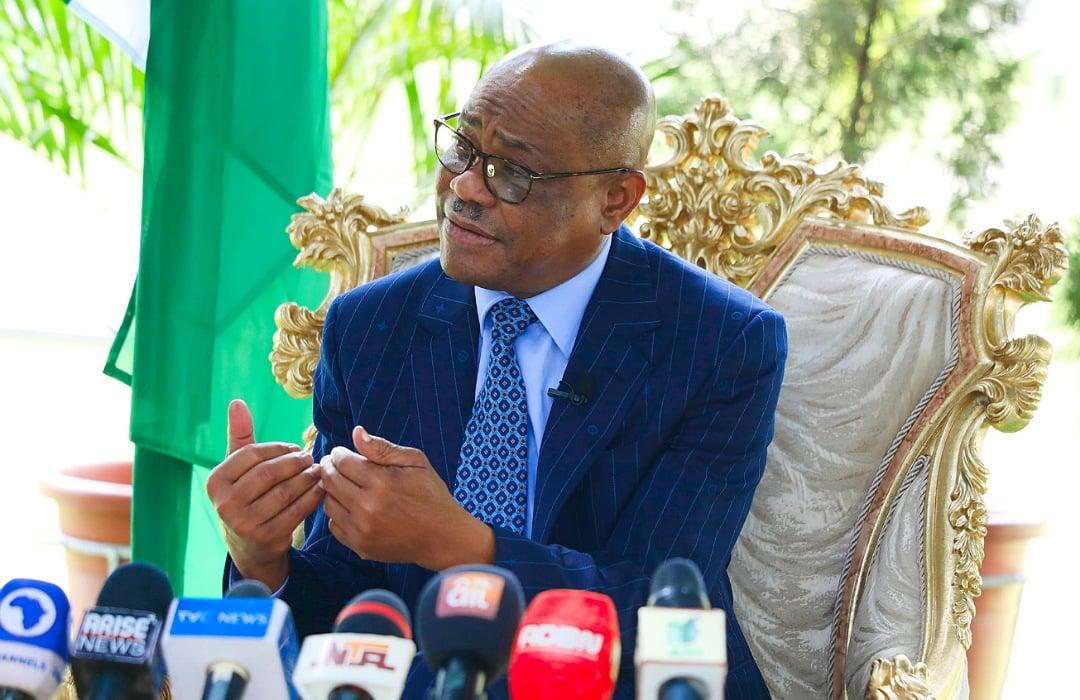
Speaking on Tuesday at the Meet the Press briefing organised by the Presidential Communications Team at the Presidential Villa in Abuja, Oloworaran attributed the growth to renewed public confidence in the Contributory Pension Scheme (CPS).
She said the increase represents an additional N10.7 trillion in retirement savings accumulated within the period.
According to her, confidence remains the foundation of every successful pension system, stressing that Nigeria’s pension sector has regained the trust of contributors.
“Two years ago, that confidence needed restoring. Today, the verdict is in. Pension assets have grown from N20.7 trillion to N31.48 trillion as of this month. That is a 51 per cent increase, representing N10.7 trillion in new retirement wealth,” she said.
She noted that the growth was driven not only by improved investment returns but also by increased participation in the scheme, with 938,229 new contributors joining the Contributory Pension Scheme over the past 24 months.
On retirees’ welfare, Oloworaran said PenCom had intensified efforts to improve pension payments, revealing that aggregate monthly pension payouts rose by 22 per cent, from N12.2 billion to N14.9 billion.
She also announced that, following the implementation of the new national minimum wage, the Federal Government approved a N32,000 monthly consequential pension increase for eligible retirees of treasury-funded Ministries, Departments and Agencies (MDAs) who retired on or before July 29, 2024.
According to her, more than 195,000 pensioners have already benefited from the adjustment.
Nigeria’s Contributory Pension Scheme was established under the Pension Reform Act 2004 and strengthened by the Pension Reform Act 2014, with PenCom regulating Pension Fund Administrators and Pension Fund Custodians.
The scheme covers Federal Government employees, members of the armed forces, and workers in private-sector organisations with at least three employees.