
The Federal Government and the United Nations have called for stronger partnerships, innovative financing, and faster implementation of development programmes to accelerate the achievement of the Sustainable Development Goals (SDGs) ahead of the 2030 deadline.
The call was made on Monday during the Joint United Nations Sustainable Development Cooperation Framework (UNSDCF) 2023–2027 Steering Committee Meeting held at the UN House in Abuja.
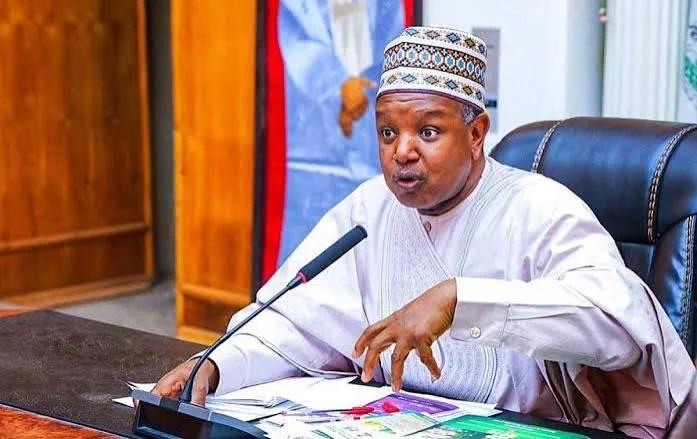
Speaking at the meeting, the Minister of Budget and Economic Planning, Abubakar Bagudu, said the limited time left before 2030 requires governments and development partners to move beyond planning and focus on implementation while mobilising private capital to close the SDG financing gap.
“2030 is around the corner and, for the United Nations as well as many countries, there is urgency. There is a need to do more within the very short time that remains for the Sustainable Development Goals to be realised or achieved as much as possible,” Bagudu said.
He noted that Nigeria’s ongoing macroeconomic reforms had created additional fiscal space for development but stressed that government funding alone would not be enough to meet the SDGs.
“The macroeconomic reforms have helped release resources that can be used to achieve some of the Sustainable Development Goals, but more importantly, achieving the SDGs requires resources far beyond what is available to government,” he said.
Bagudu said the government was intensifying efforts to attract private investment to complement public spending and support inclusive economic growth.
“We believe that our ambition of building a $1 trillion economy that lifts everyone out of poverty by 2030 is a shared goal for all stakeholders,” he added.
Also speaking, the United Nations Resident Coordinator in Nigeria, Mohamed Fall, warned that global progress towards the SDGs remained alarmingly slow, with only four years left to meet the targets.
“What is clear is that we are not in good shape. Only four years remain,” he said.
According to Fall, many SDG indicators worldwide are progressing too slowly, are off track, or have worsened compared to 2015.
“We all know that in many respects, Nigeria is following this global trend. We have many goals—probably more than half—for which we are not on track,” he said.
He urged members of the steering committee to prioritise concrete action over rhetoric.
“Make sure that we walk the talk, not just talk the talk,” Fall said, stressing that Nigeria needs both speed and scale to deliver meaningful development outcomes.
Fall also described declining international development assistance as an opportunity for governments and development partners to rethink their financing strategies.
“We should not look at this only as a challenge. It should also serve as a wake-up call to strengthen domestic resource mobilisation, explore innovative financing, bring in the private sector and mobilise civil society,” he said.
He further challenged the UN system to leverage digital technology and artificial intelligence to improve efficiency and maximise development impact.
Despite the country’s challenges, Fall expressed confidence in Nigeria’s potential for innovation and private sector-led growth.
“We are not here just because of the challenges. We are here to transform the country’s potential and opportunities into actions that can change the lives of its people,” he said.
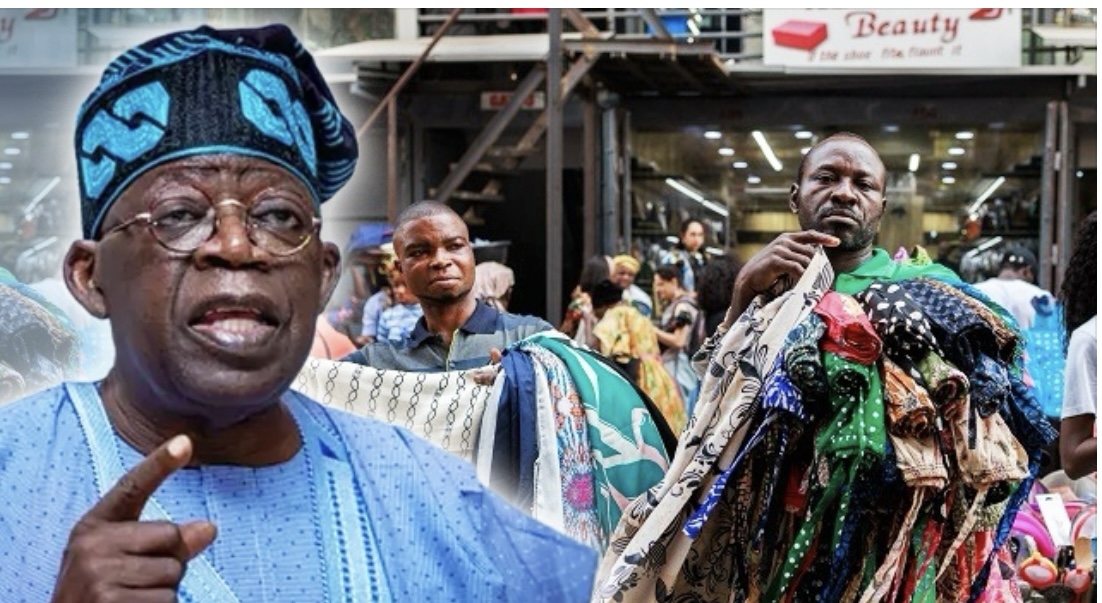
Meanwhile, the Minister of Humanitarian Affairs and Poverty Reduction, Dr Bernard Doro, reaffirmed the Federal Government’s commitment to poverty reduction and social protection in line with President Bola Tinubu’s Renewed Hope Agenda.