


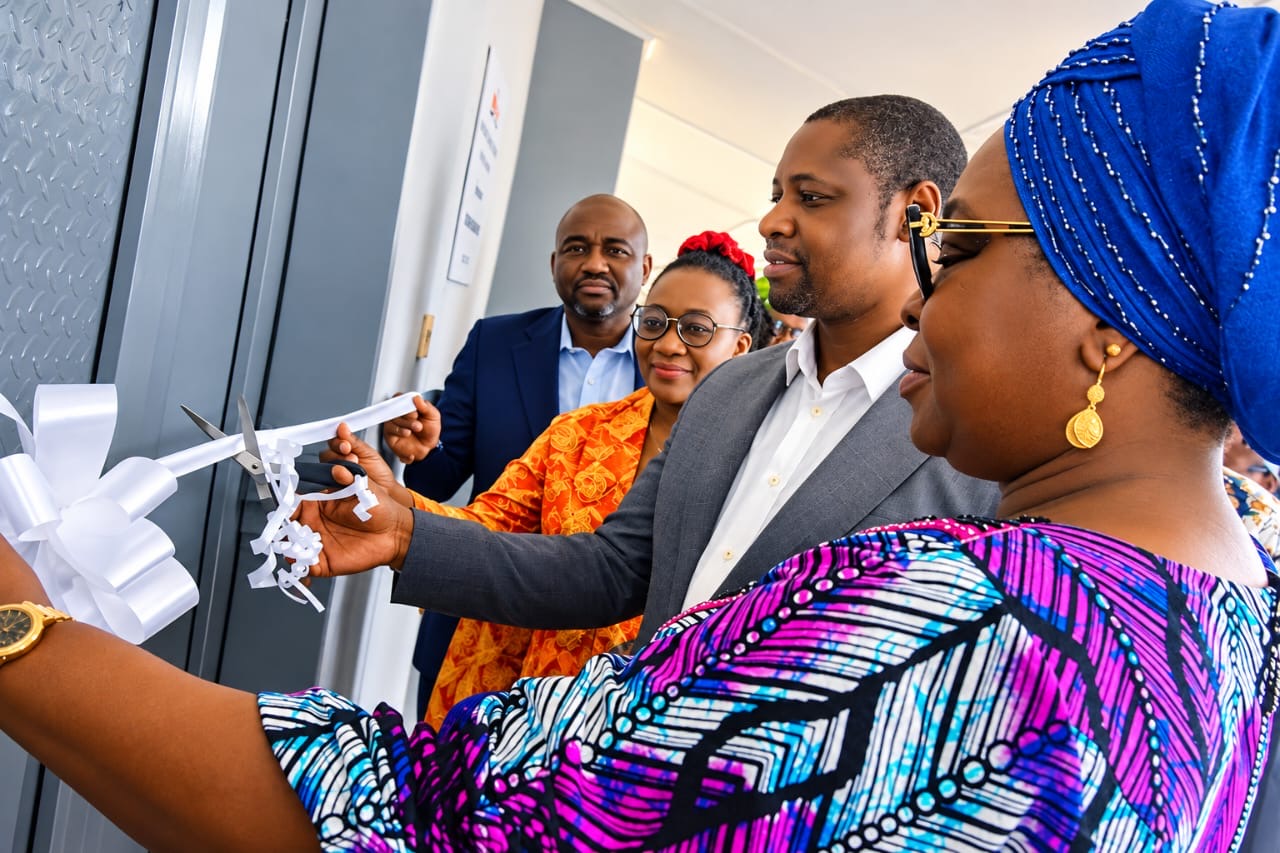

Nigeria’s private sector is beginning to close the gap between climate ambition and execution, as top business leaders, development partners, and policymakers converged at the High-Level CEO Roundtable to commemorate World Environment Day.
Hosted by GreenHubAfrica and the United Nations Nigeria, the initiative has been running for six years and predominantly hosted in the UN House Abuja, under GreenHubAfrica’s World Environment Day Exhibition platform, popularly called WEDex.
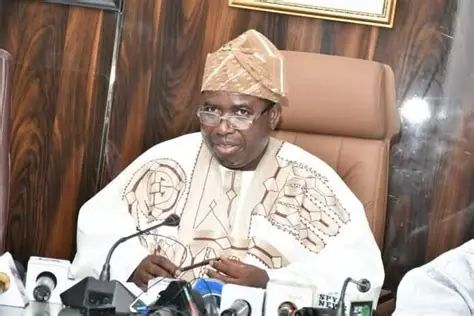
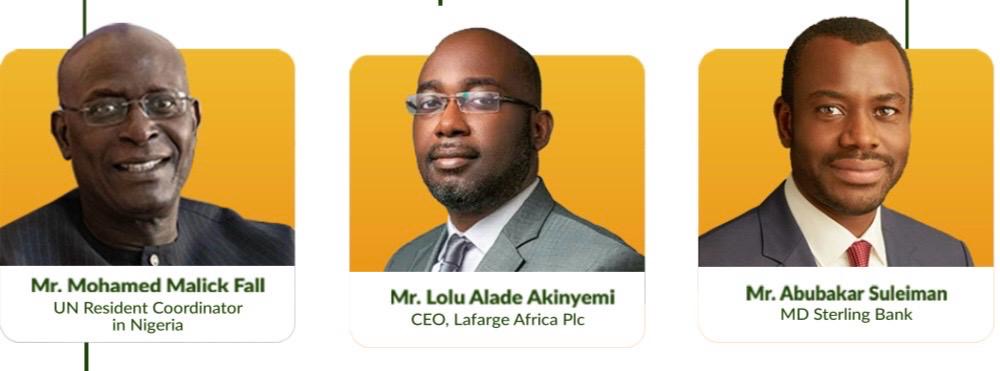
The participation of the United Nations, represented by Resident Coordinator Mohammed Malik, anchored the discussion within a global context, highlighting the importance of multi-stakeholder collaboration in delivering on climate commitments.
He noted that the increasing expectation that national progress must align with global frameworks while remaining locally driven.
Rather than a routine policy conversation, the virtual session was a candid exchange on what is actually holding climate action back in Nigeria, and what must change immediately.
Across finance, infrastructure, and civil society, one theme stood out: the barriers are no longer just technical or regulatory, but deeply rooted in how climate action is perceived, prioritized, and executed.
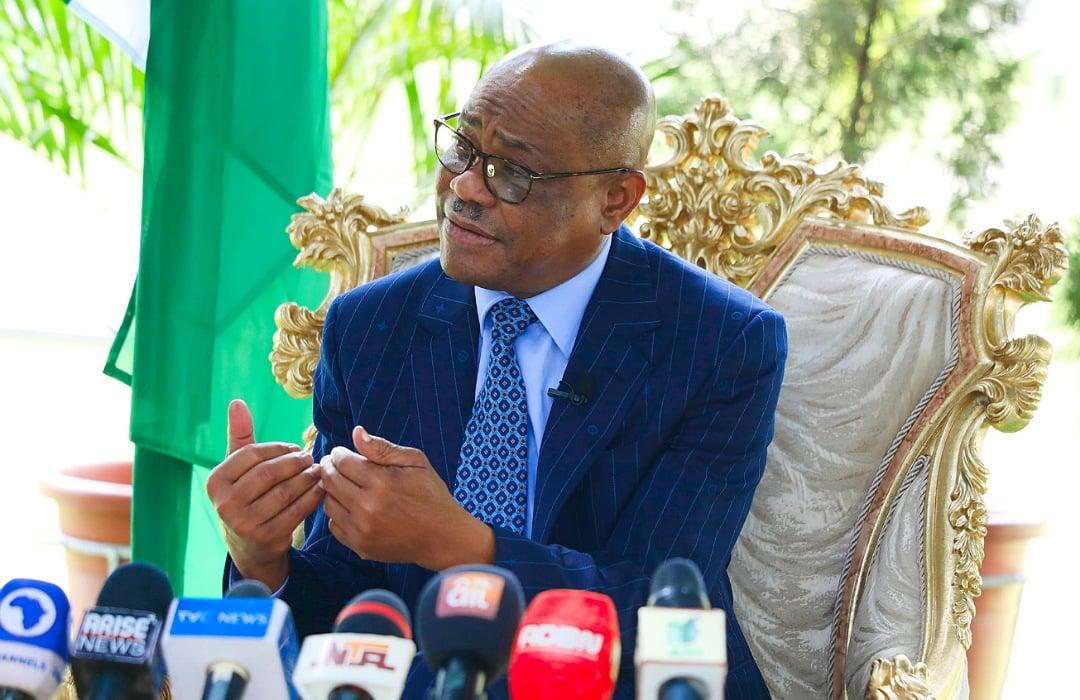
Abubakar Suleiman, Managing Director/Chief Executive Officer of Sterling Bank, challenged the conventional focus on policy constraints, noting that “the change required is less a matter of policy than one of perception.”
His comments reframed the climate conversation as a strategic business opportunity rather than a compliance obligation, pointing to Sterling Bank’s H.E.A.R.T strategy as “a deeply layered, consequential pivot to capture exponential market growth exactly where commercial scale meets massive regional decarbonization.”
This position underscored the increasing role of financial institutions in not just funding sustainability, but shaping the direction of economic growth.
From an industrial perspective, Chief Executive Officer of Lafarge Africa Plc, Lolu Alade-Akinyemi, made it clear that sustainability is already embedded within operational decision-making, not a future ambition.
“Climate action is not a luxury. It is at the core of our strategy and everything that we do,” he stated, reinforcing this with tangible progress, including upgraded filtration systems at Lafarge’s Ewekoro plant that now meet international standards for dust emissions. His contribution grounded the conversation in real, measurable action within Nigeria’s manufacturing sector.
Bringing a systems-level perspective, Dr. Chichi Aniagolu-Okoye, Regional Director for Ford Foundation West Africa, emphasized that impact will depend on precision, not volume.
“Civil society’s role is precision, not noise. Target the catalytic actions that shift systems and unlock sector-wide impact,” she said, adding that sustainability efforts must directly benefit host communities. “We believe the best way to sustain the environment is to ensure that the communities and ecosystems where extraction occurs directly benefit from it.”
Her remarks reinforced the need to align environmental progress with social and economic inclusion.
Throughout the session, it became evident that the private sector is no longer waiting for perfect policy conditions. Instead, leading organizations are actively redefining their roles, from financiers to enablers, from operators to innovators, in ways that directly influence Nigeria’s transition to a low-carbon economy.
GreenHubAfrica, as host and convener, under Henry Bassey positioned the roundtable as more than a dialogue platform. By bringing together strategic partners such as Sterling Bank and Lafarge Africa, the organization is actively building a coalition of leaders capable of driving coordinated action across sectors.
The roundtable reflects a growing shift from fragmented sustainability efforts to more aligned, cross-industry collaboration.
As World Environment Day 2026 drew attention to the urgency of climate action globally, the outcomes of this session signal a more decisive posture from Nigeria’s leadership class.
The conversation has moved beyond awareness. What remains is execution, and, as highlighted throughout the roundtable, the willingness to rethink how climate action is framed, financed, and delivered.