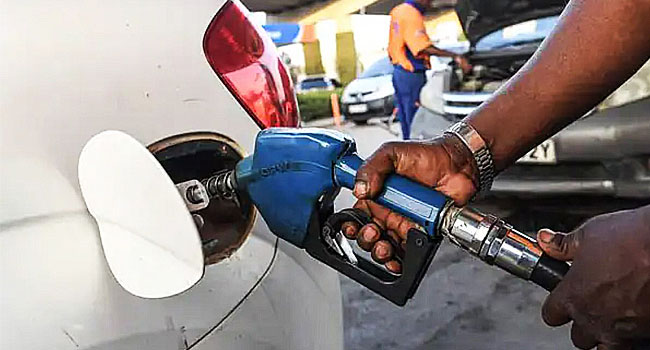




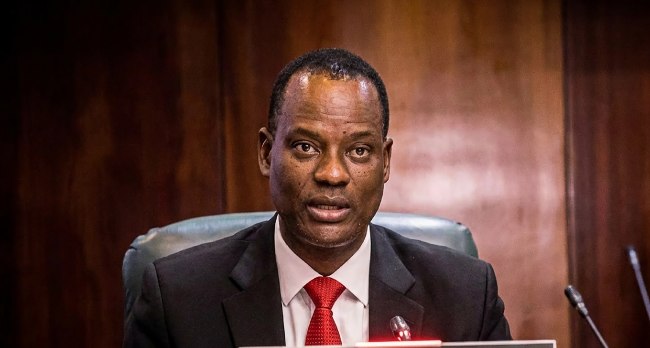
The removal of petrol subsidy saved Nigeria ₦15.8 trillion between June 2023 and December 2025, the Minister of Finance and Coordinating Minister of the Economy, Taiwo Oyedele, has said.
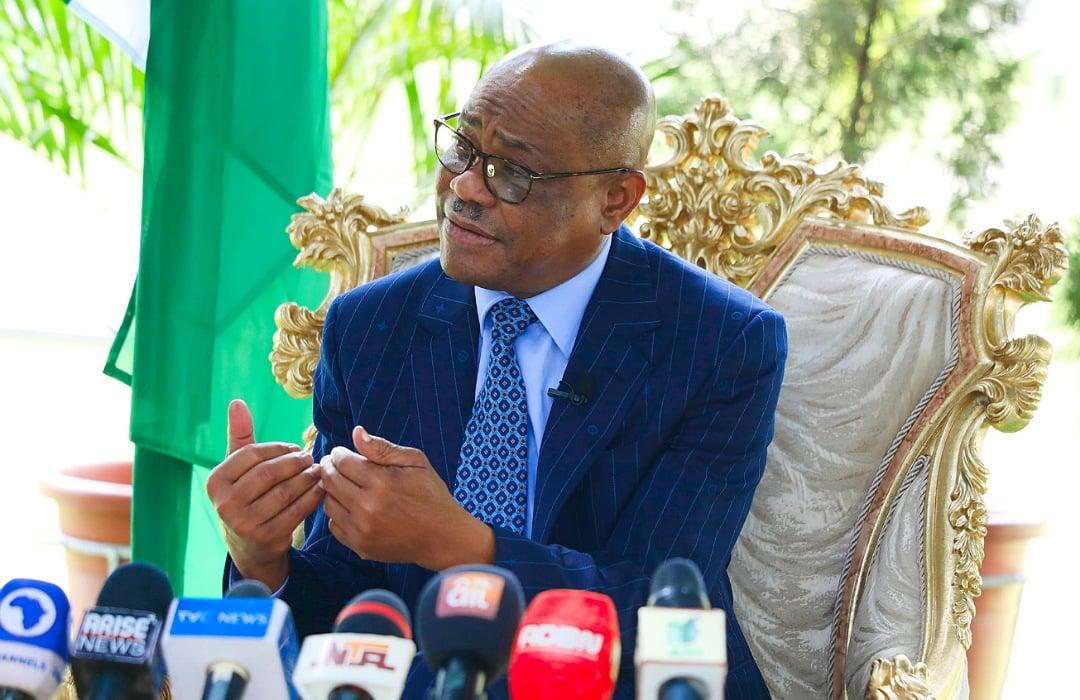
Oyedele disclosed this on Wednesday at a press conference where he outlined the financial impact of the economic reforms implemented by the administration of President Bola Tinubu.
According to the minister, the savings translated into additional resources for the Federation, although they were not recorded as a separate credit to the Federation Account under the description “subsidy savings.”
“Between June 2023 and December 2025, subsidy savings mobilised the sum of N15.8 trillion in resources for the Federation,” Oyedele said.
He explained that the Federal Government received ₦5.4 trillion of the amount, while ₦10.4 trillion was shared among state and local governments through the Federation Account.
₦3.1tn Independent Revenue, ₦11.9tn Borrowing
Oyedele said the government’s financial position during the period was also strengthened by increased independent revenue and additional borrowing to finance expenditure.
He said the Federal Government generated ₦3.1 trillion in incremental independent revenue, largely through remittances from government-owned entities and increased surpluses from government agencies.
The government, he added, borrowed an additional ₦11.9 trillion between June 2023 and December 2025.
“The additional borrowing that the Federal Government took for that period of time, June 2023 to December 2025, amounted to N11.9 trillion,” he said.
Oyedele said the combination of incremental independent revenue and additional borrowing brought the Federal Government’s incremental resources during the period to ₦20.4 trillion.
However, he noted that total incremental expenditure stood at ₦30.64 trillion.
The minister said the figures reflected the fiscal implications of the reforms, which he said were introduced to address longstanding economic distortions and ease pressure on government finances.
“The administration of President Bola Tinubu has embarked on major reforms to address age-long economic challenges,” he said.
He identified the removal of petrol subsidy and the unification of the foreign exchange market as two of the administration’s major economic reforms.
According to Oyedele, the measures were necessary despite the short-term costs associated with their implementation.
“The removal of fuel subsidy, which was quietly bankrupting the country, and the unification of an exchange rate system that had become a source of distortion and corruption rather than stability,” he said.
“Those decisions came at a cost, and we are not here to implement otherwise. What does reform cost?”
Petrol Subsidy Removal
President Tinubu announced the removal of the petrol subsidy during his inauguration on May 29, 2023, declaring that “subsidy is gone.”
The policy subsequently triggered a sharp increase in petrol prices and contributed to higher transportation, logistics and production costs.
The Federal Government has consistently defended the decision as necessary to reduce fiscal pressure and redirect public resources towards other priorities.
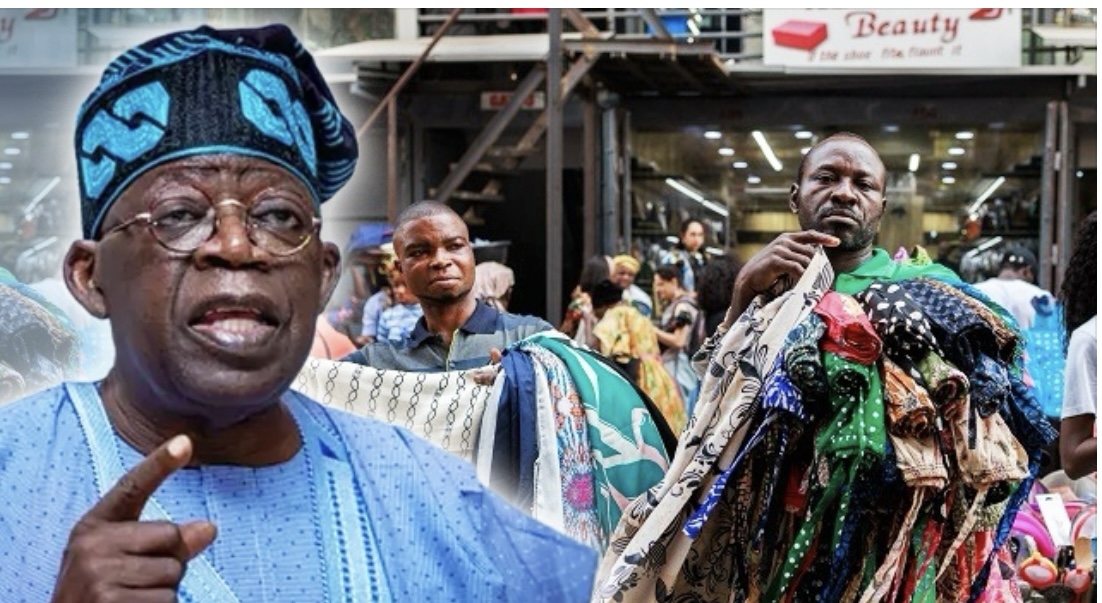
However, the subsidy removal, alongside the naira reforms, has also contributed to increased economic hardship, with households and businesses facing higher costs for transportation and essential goods.
The government has since introduced measures aimed at cushioning the impact of the reforms, including wage adjustments, agricultural support programmes and the expansion of Compressed Natural Gas initiatives as an alternative to petrol-powered transportation.