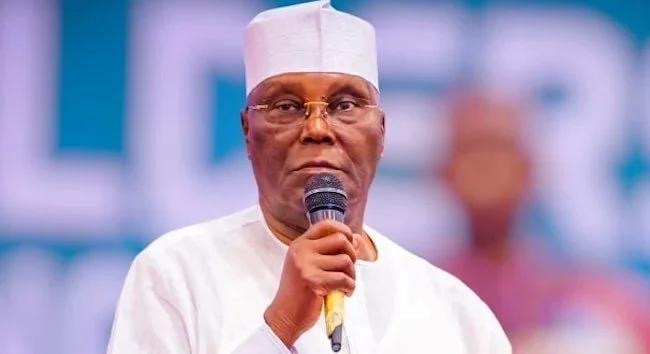

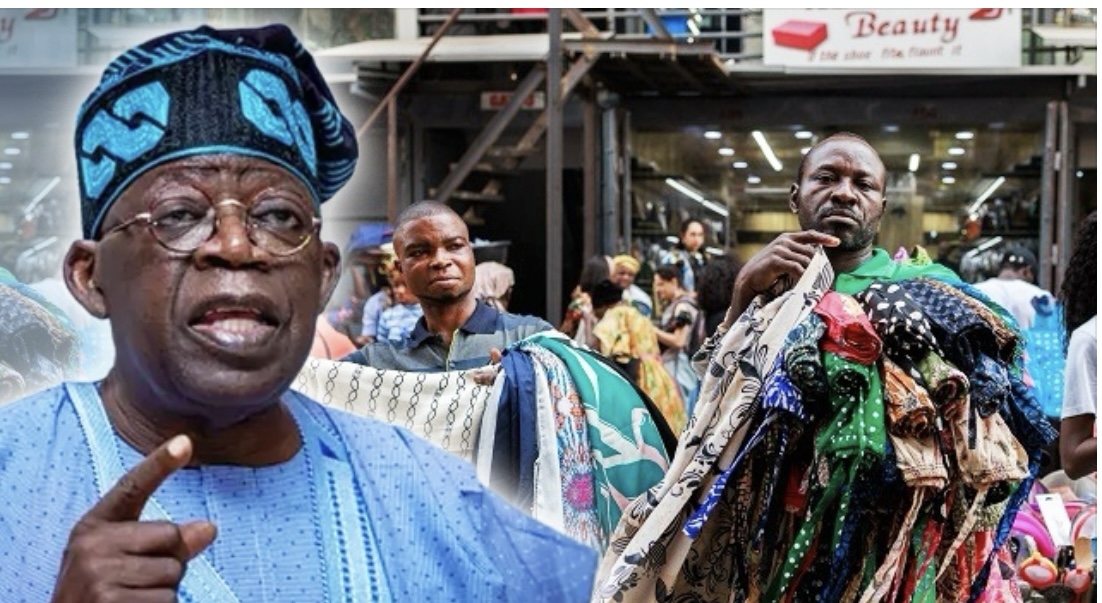

Former Vice President and African Democratic Congress (ADC) presidential candidate, Atiku Abubakar, has called on the Federal Government to account for what he described as an estimated ₦7.98 trillion oil revenue windfall, questioning why the Tinubu administration continues to increase domestic borrowing despite higher-than-budgeted crude oil prices.
In a statement issued on Sunday by his Senior Special Assistant on Public Communication, Phrank Shaibu, Atiku accused the Federal Government of lacking fiscal transparency and accountability, insisting that Nigerians deserve a clear explanation of how excess oil revenues have been utilised.
According to Atiku, the Federal Government raised about ₦5 trillion from the domestic bond market in the first half of 2026—almost 80 per cent of the total borrowed during the same period in 2025.
He argued that such a level of borrowing would typically occur only when government revenues had declined significantly.
“The exact opposite is the case,” Atiku stated.
He noted that although the 2026 Appropriation Act benchmarked crude oil at $92 per barrel, international oil prices traded above that level between March 1 and July 14, with Nigerian crude often selling at a premium.
“This naturally raises two unavoidable questions. First, why is a government enjoying such an extraordinary oil windfall borrowing at almost twice last year’s pace as though the nation were in financial distress? Second, where is the money?” he asked.
Atiku estimated that the difference between the budget benchmark and prevailing oil prices generated an additional $42.7 million in revenue daily over the 135-day period, translating to about $5.76 billion or approximately ₦7.98 trillion in excess earnings.
He demanded full disclosure of how the additional revenue was managed.
“Nigerians deserve a full accounting of this windfall. Where has the money gone? Why is there no transparent disclosure of the proceeds from excess crude sales? Why is government borrowing heavily when oil revenues are significantly above budget projections?” the statement said.
The ADC presidential candidate also criticised the administration for failing to provide regular updates on the management of excess oil revenues, noting that previous governments relied on mechanisms such as the Sovereign Wealth Fund and other fiscal buffers to manage and report such earnings.
“Today, Nigerians have been left completely in the dark. A government that cannot explain what it has done with an estimated ₦7.98 trillion in additional oil receipts has no moral authority to continue plunging the country deeper into debt,” he said.
Atiku further argued that the gains from higher oil prices and the removal of fuel subsidies had not improved the welfare of ordinary Nigerians. He cited what he described as recent United Nations findings indicating that about 80 per cent of Nigerians cannot afford a decent meal daily, while key sectors such as healthcare, education and infrastructure remain underfunded.
“It is increasingly evident that this administration lacks the competence, discipline and transparency required to manage the nation’s resources. Rather than allowing Nigerians to benefit from favourable global oil prices, it has chosen the path of endless borrowing, mounting debt and deepening poverty,” he added.
Outlining the ADC’s economic agenda ahead of the 2027 general election, Atiku pledged that his administration would implement a rules-based fiscal framework requiring all revenues earned above the budget oil benchmark to be publicly disclosed.
He said excess oil revenues would be directed toward reducing Nigeria’s debt burden, strengthening fiscal reserves and funding critical investments in infrastructure, healthcare, education and agriculture rather than financing recurrent expenditure.
“We will restore transparency in the management of oil revenues by publishing regular reports on excess crude earnings and ensuring that public finances are subject to the highest standards of accountability.
“We will cut the cost of governance, eliminate waste, block leakages and ensure that borrowing is undertaken only for productive investments capable of generating measurable economic returns—not to finance consumption or conceal fiscal irresponsibility,” he said.
Atiku concluded by stressing that Nigerians deserve greater accountability and transparency in the management of the nation’s public resources.