






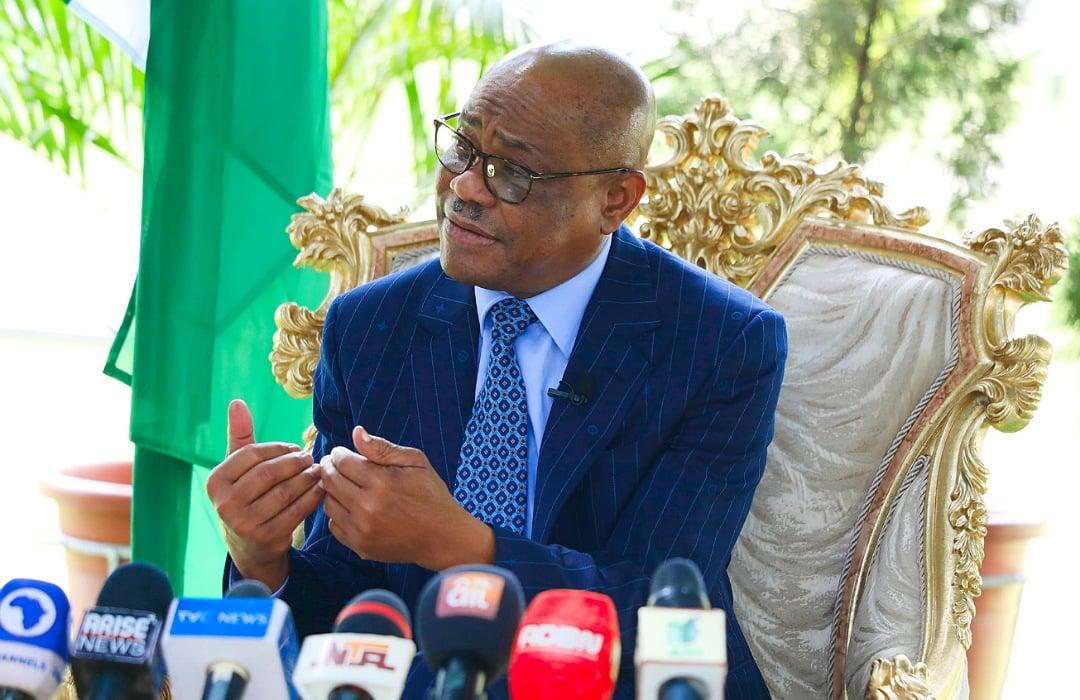






The Chairman of the Independent National Electoral Commission (INEC), Professor Joash Amupitan, has directed the commission’s Administrative Secretaries across the 36 states and the Federal Capital Territory to enforce strict operational discipline and eliminate gaps in preparations for the 2027 general elections.
Amupitan gave the directive on Monday in Lagos while opening a two-day Strategic Operational Workshop for Administrative Secretaries, describing the officials as the “engine room” of INEC’s state-level operations.
He said the successes recorded in recent off-cycle elections, particularly in Osun State, must be replicated and institutionalised as an “unbreakable national standard” ahead of the 2027 elections.
To strengthen preparedness, the commission is introducing an Administrative Secretary Master Operational Tracker Template, a data-driven tool developed to provide real-time updates on the readiness of INEC’s state offices.
The tracker will be directly linked to the Election Monitoring and Support Centre (EMSC), allowing the commission’s headquarters to monitor the distribution of election materials and staff training across the states in real time.
According to Amupitan, the system is designed to move INEC from reactive management to proactive planning by identifying potential operational challenges early and resolving them before they affect election delivery.
“If you tolerate shortcuts, shortcuts will multiply. If you tolerate political interference, neutrality will deteriorate… Your responsibility is to build an administrative culture capable of delivering a credible election,” he told the Administrative Secretaries.
Quoting former United States Secretary of State and retired General Colin Powell, the INEC chairman stressed that success depended on adequate preparation, hard work and the willingness to learn from failure.
He said the workshop was structured as an election-focused “boot camp” to stress-test five critical areas of the commission’s operations ahead of the 2027 polls.
The areas include voter registration and Permanent Voter Cards (PVCs) distribution, with emphasis on improving PVC collection as the national voter register approaches 100 million voters.
Others are logistics and election material management, covering the receipt, auditing, storage and secure deployment of sensitive materials.
The commission will also focus on electoral technology, including the Bimodal Voter Accreditation System (BVAS), INEC Results Viewing Portal (IReV) and Candidate Registration and Results Management System (CROMS).
Human resources will also receive attention, particularly the recruitment, vetting and technology training of ad-hoc election personnel, alongside financial compliance, including workflow automation and adherence to procurement regulations.
Amupitan urged the Administrative Secretaries to challenge existing assumptions, identify state-specific operational bottlenecks and ensure that INEC offices across the country are fully prepared for the 2027 elections.
According to INEC’s timetable, the 2027 general elections are scheduled to begin on January 16. The final register of voters is expected to be published on January 11, ahead of the presidential and National Assembly elections on January 16.
Campaigns are scheduled to end on February 18, while a possible presidential run-off is slated for February 28. Governorship and State House of Assembly elections are scheduled for March 6, 2027.