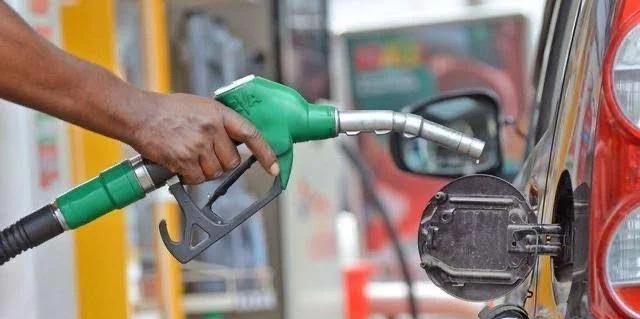








The Federal Government has directed petroleum marketers to immediately reflect the recent decline in global crude oil prices by reducing the pump prices of Premium Motor Spirit (PMS), popularly known as petrol, and other petroleum products.
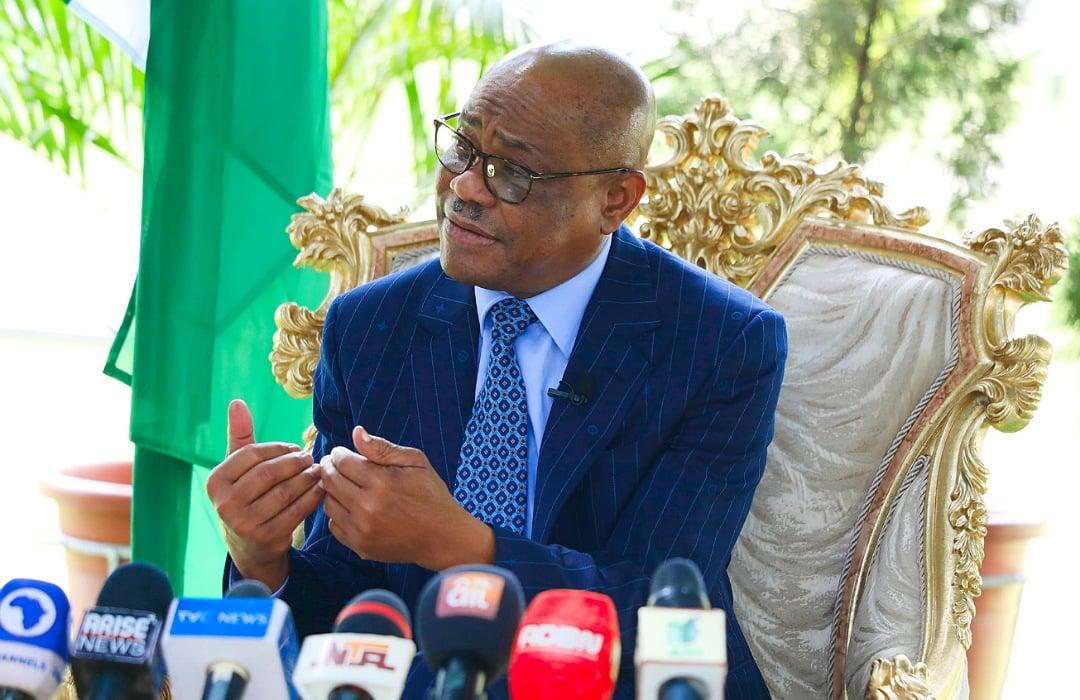
Minister of State for Petroleum Resources, Senator Heineken Lokpobiri, gave the directive on Monday during the 2026 Nigerian Midstream and Downstream Petroleum Regulatory Authority (NMDPRA) General Counsel and Legal Advisers Forum in Abuja.
The forum was themed “Beyond Compliance: Certainty and Investment Confidence in Nigeria’s Petroleum Sector.”
Lokpobiri said the easing of geopolitical tensions between Iran and the United States had triggered a decline in global oil prices, making it necessary for marketers to adjust retail fuel prices accordingly.
He expressed concern that the reduction in international prices had yet to be reflected at filling stations, warning marketers against taking advantage of the deregulated market to make excessive profits.
According to the minister, although market forces will eventually restore price equilibrium under the deregulated regime, regulators have a responsibility to ensure that deregulation does not become a tool for profiteering.
“The regulator has a statutory responsibility under the Petroleum Industry Act (PIA) to ensure that deregulation benefits both investors and consumers,” he said.
Lokpobiri stressed that while regulatory compliance remains essential, Nigeria’s petroleum industry must now prioritise regulatory certainty to attract long-term investment.
“For too long, the dominant question in our regulatory conversations has been whether operators are complying. That question remains important, but it is no longer sufficient.
“The more important question today is whether our regulators are providing the clarity, consistency and predictability investors need to commit capital for the long term. Compliance is the foundation; regulatory certainty is the goal we must now pursue,” he said.
The minister urged marketers to embrace fair pricing practices so that consumers can enjoy the benefits of prevailing market conditions.
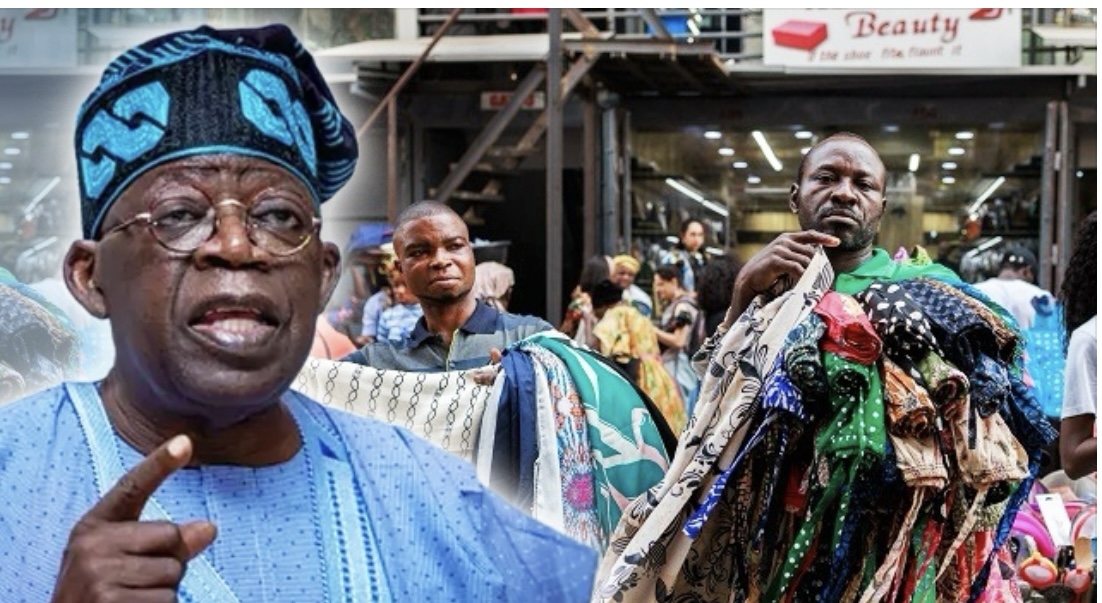
He noted that the full deregulation of the downstream sector, implemented by President Bola Tinubu’s administration, had encouraged investments such as the Dangote Refinery and other refining projects while eliminating the recurring fuel shortages that previously plagued the country.
“You can attest that since 2023, petroleum products have remained available across the country despite recent disruptions caused by the US-Israel-Iran conflict,” he said.
Lokpobiri also charged regulators to ensure that consumers receive accurate quantities of fuel at filling stations.
“When someone pays for 10 litres of PMS, they should receive exactly 10 litres—not less,” he warned.
Addressing participants at the forum, the minister described legal advisers and general counsel as strategic partners whose roles extend beyond interpreting laws to shaping investment decisions, strengthening regulatory frameworks and supporting national development.
He urged them to identify and flag regulations or guidelines that create uncertainty capable of discouraging investment.
According to Lokpobiri, Nigeria’s petroleum industry is entering a new phase driven by expanding domestic refining capacity, increased private sector participation and growing opportunities across the midstream and downstream sectors.
He said sustaining that momentum would require consistent policies, transparent regulation, efficient dispute resolution mechanisms and stronger collaboration among government, regulators, industry operators and legal practitioners.
The minister expressed confidence that recommendations from the forum would help strengthen governance, improve regulatory certainty and boost investor confidence in Nigeria’s petroleum sector.