






The Nigeria Employers’ Consultative Association (NECA) has said that businesses across the country continue to grapple with high operating costs and other economic challenges three years after the Federal Government embarked on sweeping economic reforms.
While acknowledging that the reforms were necessary to reposition the economy for long-term growth, the association said many firms are still burdened by soaring energy costs, persistent inflation, exchange rate volatility, multiple taxation and infrastructure deficits.
NECA made the observations on Monday at the opening of its two-day Employers’ Summit in Abuja, themed “Leveraging Reforms and ESG for Enterprise Competitiveness and Inclusive National Growth.”
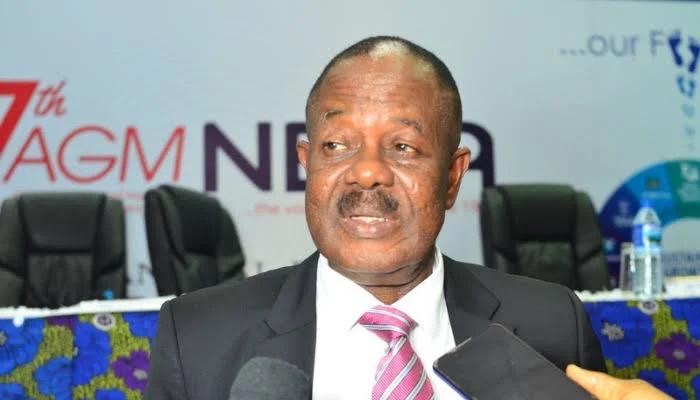
Speaking at the opening ceremony of the fifth edition of the summit, NECA President, Ifeanyi Okoye, represented by the association’s Treasurer, Richard Ayibiowu, described the gathering as timely, noting that Nigeria is at a critical stage in its economic transformation.
According to him, the Federal Government has, over the past three years, implemented far-reaching reforms aimed at correcting structural imbalances, strengthening fiscal sustainability, improving public finance management, boosting revenue generation and positioning the economy for long-term competitiveness.
“As employers and investors, we appreciate the courage and commitment required to implement reforms of this scale,” he said.
“Measures such as the removal of fuel subsidies, foreign exchange market reforms, ongoing tax reforms, initiatives to improve the ease of doing business and efforts to stimulate industrial development reflect a deliberate attempt to place the economy on a stronger and more sustainable foundation.”
Despite acknowledging the intent behind the reforms, Okoye said their true success should be measured by their impact on businesses and the livelihoods of ordinary Nigerians.
“Three years into this reform journey, it is both timely and necessary to assess how these policies have affected enterprise growth, employment generation, investment, productivity, competitiveness and overall economic welfare,” he said.
He noted that although some macroeconomic indicators have shown improvement, the business environment remains difficult.
“Businesses continue to operate under significant pressure. High energy costs, persistent inflation, exchange rate volatility, multiple taxation, infrastructure deficits, logistics challenges, regulatory complexities and weakened consumer purchasing power continue to affect performance across sectors. For many enterprises, particularly Micro, Small and Medium Enterprises (MSMEs), the adjustment burden has been considerable,” he added.
Okoye said the summit would provide an opportunity for stakeholders to review the impact of the ongoing reforms, engage in constructive dialogue and identify practical policy solutions that would improve enterprise competitiveness and support sustainable economic growth.
He also announced the launch of the Environmental, Social and Governance (ESG) Implementation Guide for MSMEs in Nigeria, developed through a partnership between NECA and the International Labour Organisation (ILO).
According to him, the guide is designed to help small businesses integrate sustainability into their operations as environmental, social and governance standards increasingly shape investment decisions, access to finance and participation in global value chains.
“The guide provides a practical framework for MSMEs to strengthen resilience, improve productivity and enhance long-term business performance while embracing sustainable business practices,” he said.
In his welcome address, NECA Director-General, Adewale Smart Oyerinde, recalled that the organised private sector had consistently advocated the removal of fuel subsidy long before the current administration implemented the policy.
“One of the major recommendations consistently made by the organised private sector over the years was the removal of the fuel subsidy. Every Annual General Meeting address by successive NECA presidents reinforced that position. Today, the subsidy has been removed, and we are all living with the realities of that decision,” he said.
Oyerinde described the reforms as difficult but inevitable, stressing that the role of the organised private sector is to continuously engage government on the challenges confronting businesses and advocate policy adjustments that will improve competitiveness.
“Our responsibility is to ensure that government understands where businesses are facing challenges and what policy adjustments are needed to create a more competitive business environment,” he added.