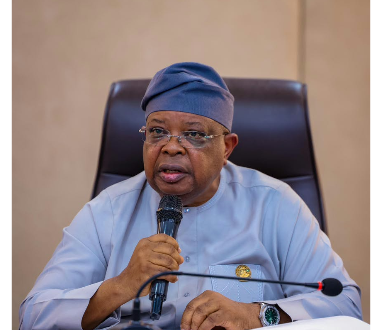
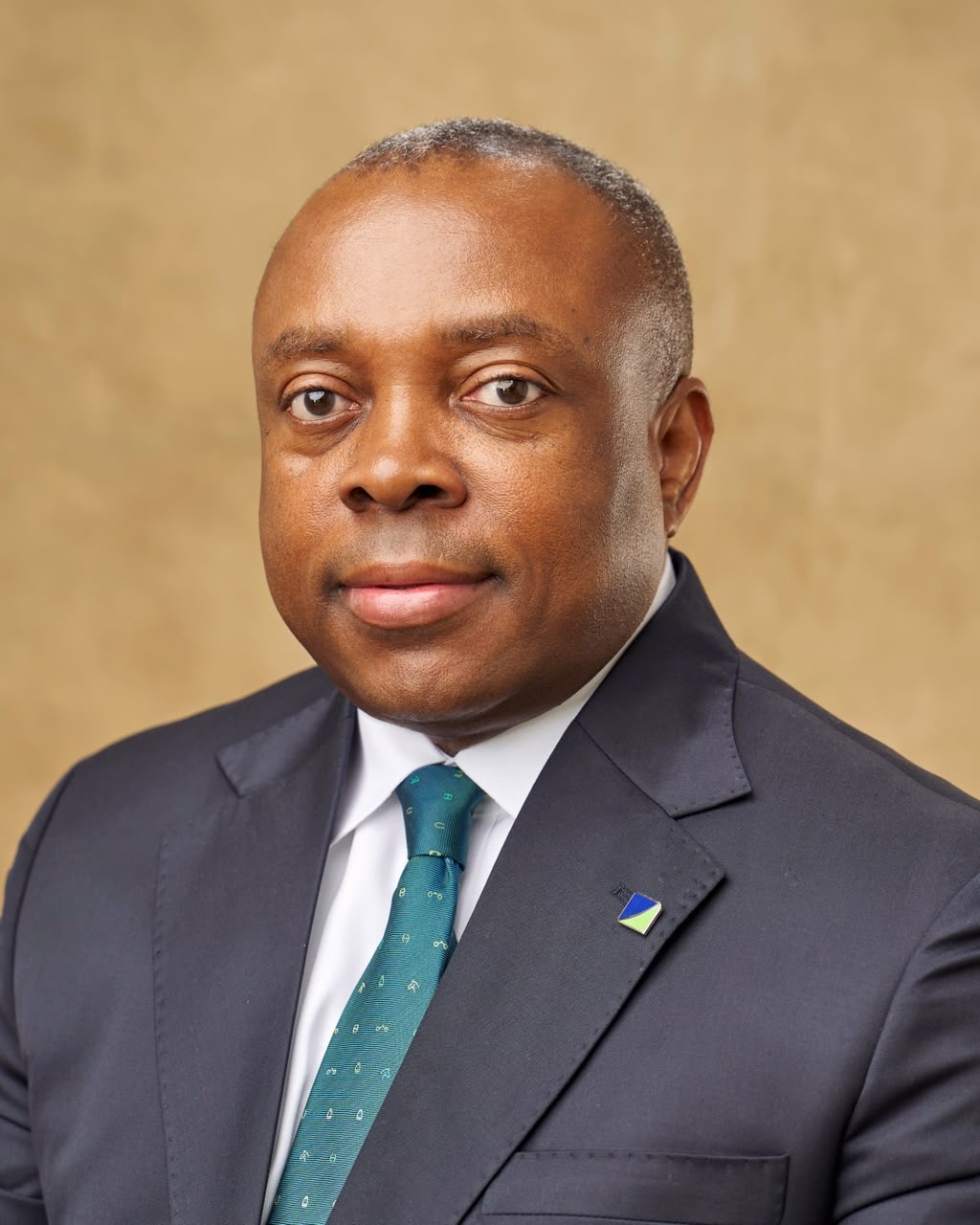

Minister of Power, Joseph Tegbe, has assured Nigerians that there will be no electricity tariff increase in 2027, saying the Federal Government is focused on improving access to electricity while settling its outstanding debts to power generation companies (GenCos).
Tegbe gave the assurance during an interview on Arise News on Monday, where he discussed the government’s plans to address debts in the power sector without imposing additional financial burdens on electricity consumers.
“Let me make it categorically clear to Nigerians, and I’ll say it again. There’s no plan to increase tariff,” he said.
The minister explained that his immediate priority was to ensure more Nigerians had access to reliable electricity. He said the government was exploring the possibility of introducing a concessionary gas pricing arrangement for GenCos without undermining the financial stability of gas suppliers.
“The most important thing for me is, how do I get electricity to Nigeria? And I’ll tell you, Mr President is saying, we own the gas. People need to give GenCos gas at a particular concessionary rate that is not going to make gas suppliers go out of business. Let’s look at the model,” Tegbe said.
He added that the government was reviewing some of the assumptions underpinning the electricity tariff model, but stressed that the review would not result in an increase in tariffs.
“We’re looking at assumptions that have been built into the tariff model. There’s a possibility that some of those assumptions may need to be revised. But rule out tariff increase,” he said.
On the government’s outstanding obligations to GenCos, Tegbe disclosed that ₦1.23 trillion had been paid out of the negotiated ₦3.3 trillion debt, expressing confidence that the remaining balance would be cleared in 2027.
“Today, we are paid 1.23 trillion. We’re speaking 1.23 trillion in this economy in a speed of about one and a half years. And we’re on track to finish paying the rest next year. Because we are looking at different ways to settle it,” he said.
According to him, the government is considering alternative settlement arrangements, including offsetting part of the debt against royalties and corporate income tax. It is also engaging the Nigerian National Petroleum Company Limited (NNPCL) on possible ways to reduce the cost of gas supplied to power generation companies.
The minister also addressed the controversy surrounding his earlier remark that “freezers are freezing”, explaining that it was made in a light-hearted response to positive feedback he had received from some Nigerians about improvements in electricity supply.
Tegbe recalled that during a visit to the University of Abuja, where he commissioned a 1.6-megawatt mini-grid built by the Federal Government, he received encouraging reports from students who had enjoyed uninterrupted electricity for about a year.
He said some students subsequently sent him videos and messages highlighting the improvement in power supply, which informed his remark.
However, he was quick to clarify that he never intended to dismiss the difficulties faced by Nigerians who still experience frequent power outages.
“I had no disregard, please. I had no disregard for the people that still have challenges with power, and that wasn’t my intention,” he said.
Explaining the context of his comment, Tegbe said he was responding to positive feedback from consumers who had noticed improvements in electricity supply in their communities.
He maintained that the government remained committed to addressing the country’s electricity challenges, adding: “We would stop at nothing until Nigerians get electricity.”
On when Nigerians could expect significant improvements, the minister acknowledged that the infrastructure challenges confronting the power sector were more extensive than initially anticipated.
Nevertheless, he expressed optimism that the government was making progress and expected to deliver substantial improvements in electricity supply over the next three to five years.