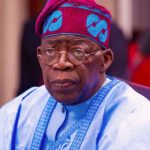
The African Democratic Congress (ADC) has criticised the Federal Government’s proposed ₦50,000 cash relief programme, describing it as an election-related initiative aimed at regaining public support ahead of the 2027 general elections.
The opposition party alleged that the announcement was an attempt by President Bola Tinubu’s administration to win back Nigerians dissatisfied with its economic policies, questioning why the intervention was not introduced earlier.
In a statement issued on Saturday by its National Publicity Secretary, Bolaji Abdullahi, the ADC claimed that the proposed payment followed the party’s campaign promise to address the rising cost of living and restore Nigerians’ purchasing power.
The party argued that although the Tinubu administration had announced several economic relief measures since assuming office, many had yet to translate into meaningful improvements in the lives of ordinary Nigerians.
Abdullahi cited the proposed $1bn Renewed Hope Social Intervention Fund announced in August, a 30-day fuel discount, promises of cheaper transportation across states from October 1, and a ₦70,000 transportation allowance for workers.
He described the latest ₦50,000 proposal as another government response to growing public dissatisfaction rather than part of a comprehensive social protection policy.
“At best, this is an election gimmick designed to deceive Nigerians into believing that a government which has neglected them for more than three years suddenly cares about their welfare. At worst, it could become another scheme to siphon public funds under the convenient cover of poverty alleviation,” the statement said.
Abdullahi also linked the announcement to the ADC’s campaign emphasis on affordability and reducing the cost of living, noting that the party and its presidential candidate, Atiku Abubakar, had made these issues central to their political agenda.
The opposition party further questioned the purchasing power of the proposed ₦50,000, arguing that the amount would provide limited assistance to households facing rising food, transportation, fuel and healthcare costs.
“What exactly is N50,000 supposed to buy in Tinubu’s Nigeria today? How much food can a family purchase with that amount? How much transport can it cover? And for how long?” the statement queried.
The ADC maintained that targeted financial assistance should have been incorporated into the government’s economic reform programme from the outset rather than introduced after Nigerians had experienced prolonged economic difficulties.
It accused the administration of failing to adequately address the consequences of fuel subsidy removal and other economic policy changes, despite repeated warnings about their potential impact on households.
The party also questioned the timing of the intervention, arguing that the government had spent much of its tenure asking Nigerians to endure economic hardship before announcing additional financial support as another general election approaches.
“If they could give N50,000 to vulnerable Nigerians, why didn’t they factor it into reform plans from day one rather than make it an election-season handout?” Abdullahi asked.
Beyond the timing and adequacy of the proposed payment, the ADC raised concerns about transparency and accountability in the management of government intervention funds.
It referenced findings attributed to the Auditor-General concerning previous cash transfer programmes, alleging that billions of naira had not been properly accounted for.
The party challenged the Federal Government to explain the whereabouts of the funds and disclose whether officials implicated in any financial irregularities had been held accountable.
“How can a government that has failed to explain what happened to its previous intervention funds expect Nigerians to trust it with another programme involving billions of naira?” the statement asked.
The ADC warned that the proposed intervention could face similar accountability concerns if adequate safeguards and transparent monitoring mechanisms were not established.
It insisted that tackling Nigeria’s cost-of-living crisis required more than periodic cash transfers, urging the government to prioritise policies capable of restoring purchasing power and reducing the cost of food, energy and transportation.
The criticism comes as political parties and prospective presidential candidates intensify preparations ahead of the 2027 general elections, with economic management, rising living costs and citizens’ welfare expected to feature prominently in political debates.
The Tinubu administration has consistently defended its economic reforms as necessary measures to stabilise the economy and promote long-term growth. It has also announced various social intervention programmes aimed at cushioning the immediate effects of the reforms on households.