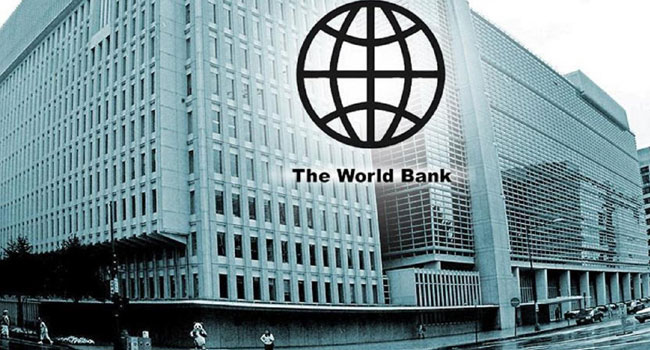
A file photo of the World Bank headquarters in Washington, DC
The World Bank has warned that developing countries could face a shortfall of 800 million jobs over the next 10 to 15 years, urging governments to accelerate economic reforms and investment to create employment opportunities for their growing youth populations.
The President of the World Bank Group, Ajay Banga, gave the warning at the 2026 IMF/World Bank Annual Meetings in Bangkok, Thailand, noting that approximately 1.2 billion young people in developing countries are expected to reach working age within the period, while only 400 million jobs are projected to be created.
Banga described the looming employment gap as one of the most pressing economic challenges facing developing countries, stressing the need for governments, private investors and development partners to work together to expand job opportunities and help young people build productive lives.
He explained that sustainable job creation depended on reliable electricity, efficient transportation, digital connectivity, quality education and relevant skills, alongside predictable regulations and strong institutions capable of encouraging businesses to invest and expand.
The World Bank chief also highlighted the importance of small businesses and the practical application of artificial intelligence in boosting productivity across key sectors, including agriculture, healthcare and education.
He disclosed that the World Bank Group mobilised $112 billion in private capital during the last fiscal year, compared with approximately $35 billion in the 2022 fiscal year, as part of efforts to expand development financing and support investments capable of generating employment.
For Nigeria and other African countries with rapidly growing youth populations, the warning underscores the urgency of translating economic growth into productive employment, stronger businesses and improved living standards.
Meanwhile, the Managing Director of the International Monetary Fund, Kristalina Georgieva, has warned that rising public debt, energy supply disruptions and geopolitical tensions are placing increasing pressure on the global economy.
Georgieva said global economic growth was projected at 3.1 per cent in 2026, unchanged from the IMF’s forecast a year earlier. She attributed part of the economy’s resilience to increased investment in artificial intelligence, which has helped offset the negative effects of energy shocks.
However, she cautioned that rising borrowing costs and mounting debt were reducing governments’ capacity to respond to economic shocks, while persistent inflation continued to threaten households and businesses.
The IMF chief urged countries with high debt levels to implement credible medium-term fiscal plans, contain inflation and strengthen their resilience to future disruptions, while ensuring that economic reforms protect vulnerable populations.
She also warned that although artificial intelligence could significantly improve productivity, it could disrupt employment, create financial stability risks and expose countries to increasing cybersecurity threats.
Georgieva called for urgent international cooperation to help countries prepare for AI-driven economic changes, strengthen financial systems and ensure that the benefits of technological advancement are more widely distributed.
The warnings from the two international financial leaders highlight the close relationship between economic stability, investment and job creation as developing countries grapple with financial pressures and the challenge of providing employment for rapidly expanding workforces.
For Nigeria, the challenge extends beyond sustaining economic growth to creating an environment in which investment can flourish, businesses can expand and young people can access meaningful and sustainable employment.