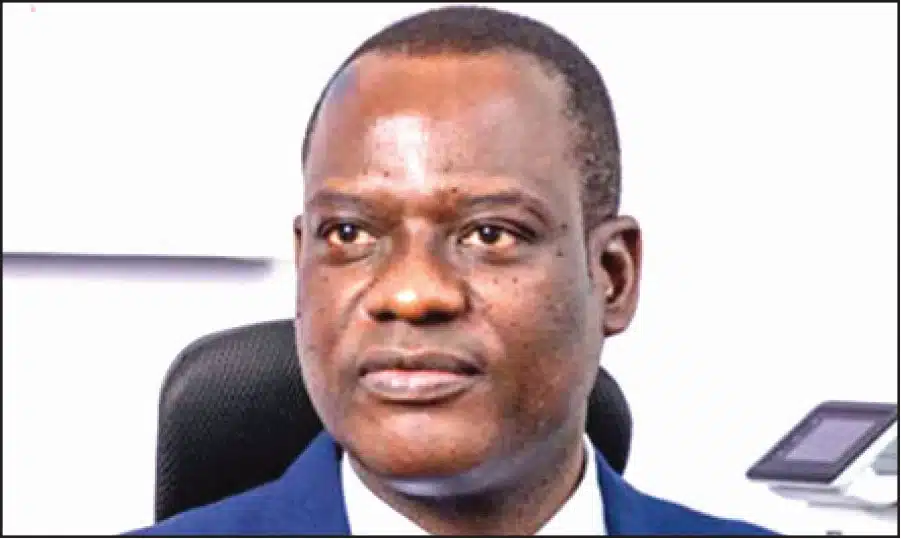
The Minister of Finance and Coordinating Minister of the Economy, Taiwo Oyedele, has emphasised the need to shield vulnerable Nigerians from the adverse effects of economic reforms, stressing that effective social protection measures are crucial to achieving inclusive economic growth.
Oyedele made this known at the Africa’s Golden Future Forum in Bangkok, Thailand, according to a statement issued on Wednesday by the Head of Media at the Federal Ministry of Finance, Efe Ovuakporie.
The minister disclosed that the Federal Government’s cash transfer programme had reached more than 10 million households, while over 1.5 million students had benefited from education support initiatives.
He explained that Nigeria’s experience with economic reforms offered valuable lessons for other African countries seeking sustainable economic growth, improved living standards and stronger regional integration.
Oyedele identified petrol subsidy removal, foreign exchange liberalisation and tax reforms as key components of Nigeria’s economic transformation agenda.
He also highlighted the importance of sequencing reforms appropriately, maintaining consistent policy communication and building public trust to minimise their impact on households and businesses.
According to him, the decision to remove the petrol subsidy before liberalising the foreign exchange market was intended to help manage the effects of rising costs.
The minister further stressed that effective communication, strong institutions and policy consistency were essential to sustaining economic reforms and strengthening public confidence.
He maintained that Nigeria’s ongoing reforms were laying the groundwork for job creation, inclusive growth and economic expansion.
Oyedele also urged African governments to tackle structural challenges hindering trade and investment across the continent, calling for improved infrastructure, the removal of trade barriers and deeper regional cooperation to maximise the benefits of the African Continental Free Trade Area.
He disclosed that Nigeria was developing an economic policy framework to improve coordination among trade, fiscal and monetary policies.
The minister identified energy, logistics, storage and processing infrastructure as critical to enhancing Africa’s competitiveness and strengthening its position in the global economy.
He also highlighted Nigeria’s National Single Window initiative as part of efforts to simplify border procedures, streamline trade processes and improve efficiency in cross-border transactions.