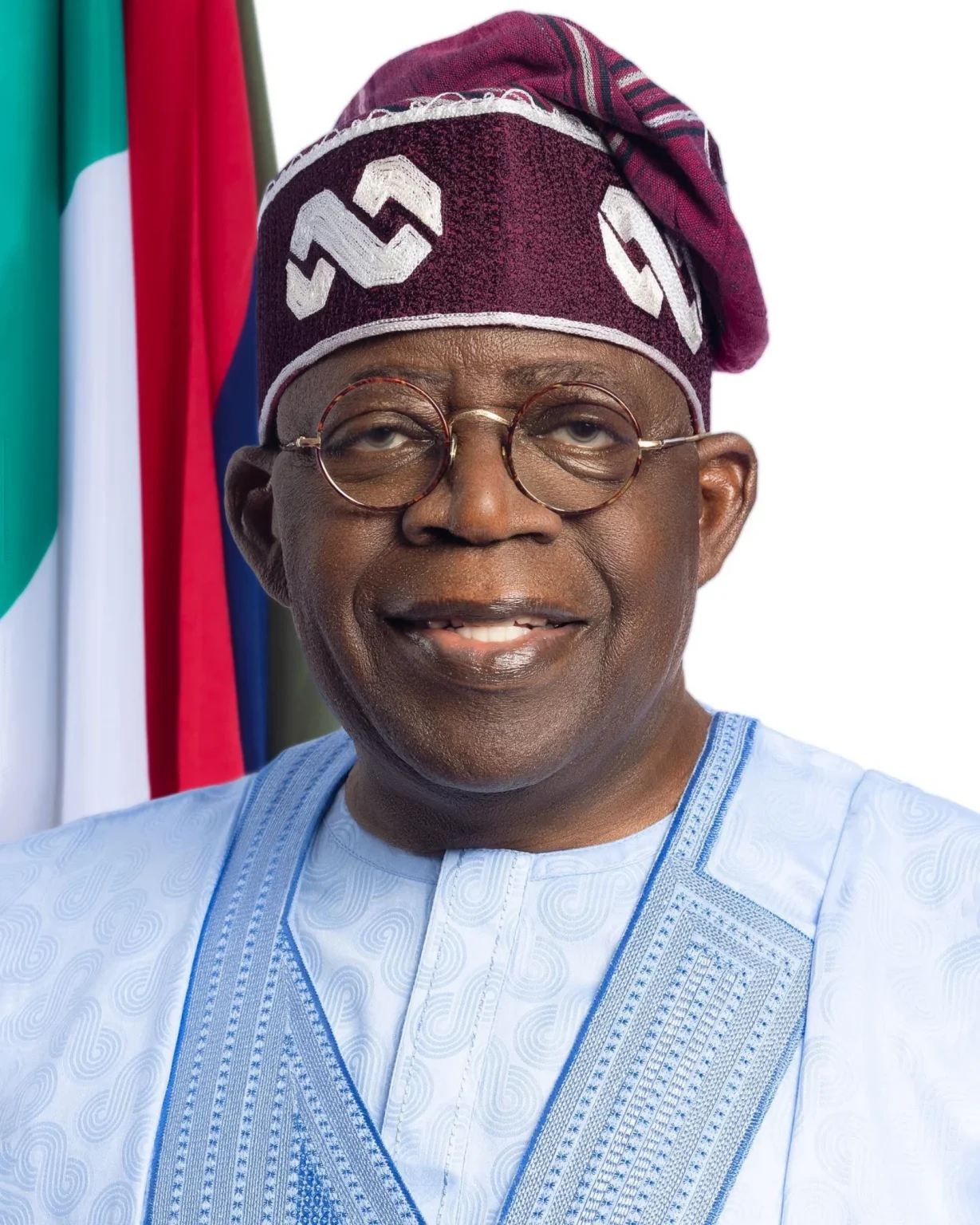





President Bola Tinubu has unveiled an investment package of more than $7 billion for the development of the Ogun State Blue Marine Special Economic Zone and the Gateway Deep Seaport, describing the projects as major initiatives to strengthen Nigeria’s maritime economy and attract foreign investment.
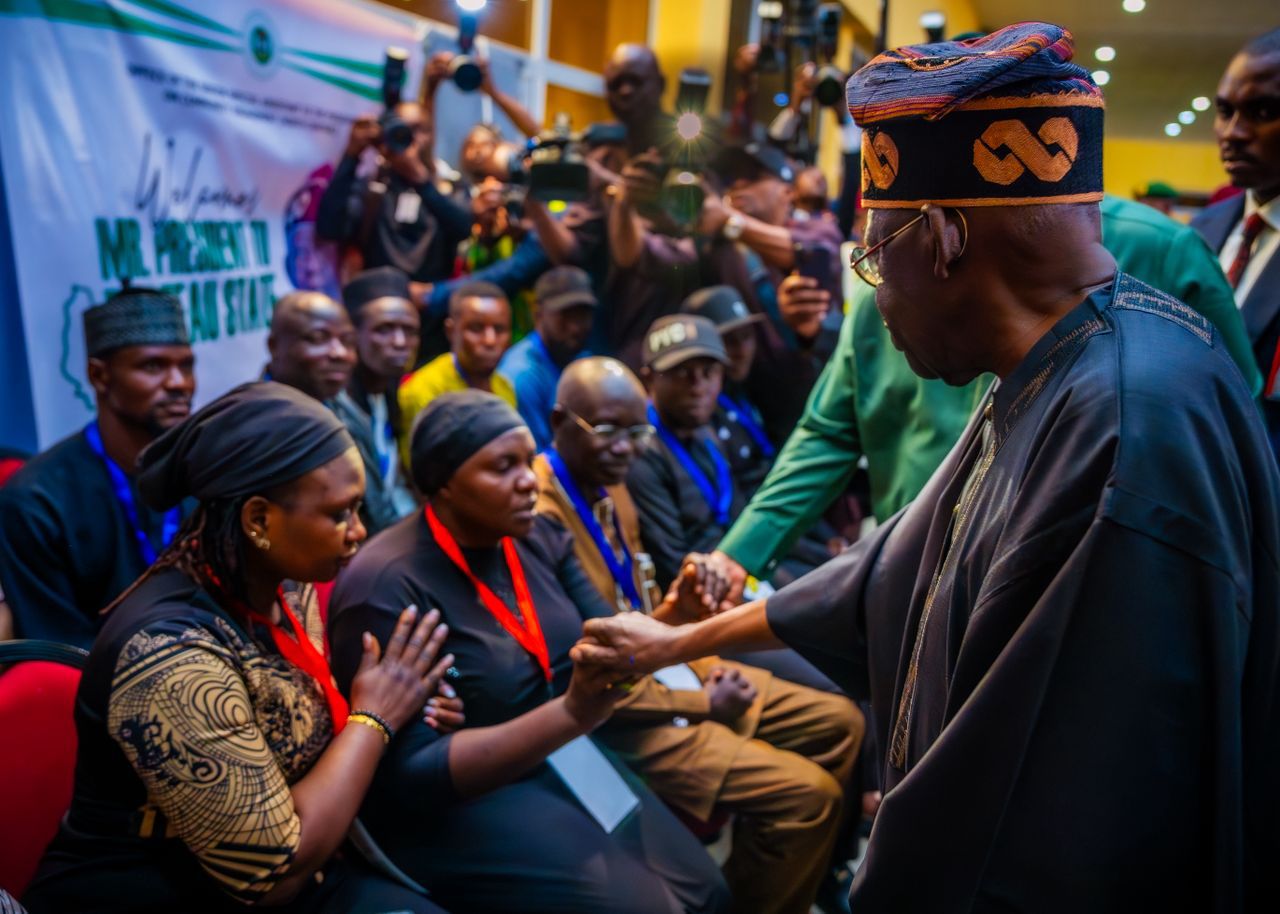
Tinubu spoke on Thursday in Paris, France, during the signing of Memoranda of Understanding between the Ogun State Government and DP World, a global ports and logistics operator, for the development of the projects.
In a statement issued by his spokesman, Bayo Onanuga, the President assured local and international investors that the Federal Government would continue to provide regulatory clarity, policy stability and a predictable business environment to support long-term investments.
“The agreements before us bring together vision, expertise, capital and execution capacity. I particularly welcome DP World, one of the world’s leading port and logistics operators,” Tinubu said.
He pledged that the Federal Government would provide the necessary regulatory and institutional support to ensure a seamless transition from the signing of the agreements to actual implementation.
According to the President, the projects are expected to attract an initial investment of more than $7 billion into the Nigerian economy and create over 50,000 direct jobs when fully developed, in addition to generating indirect employment opportunities.
Tinubu said the projects would also boost non-oil export earnings and support Nigeria’s economic diversification.
“This is economic diversification made tangible. This is industrialisation made visible. This is Renewed Hope in action,” he said.
The proposed Gateway Deep Seaport at Ogun Waterside will feature a four-kilometre berth and an 18-metre draft. The facility is expected to help decongest the Lagos port corridor and reduce pressure on the Apapa and Tin Can Island ports.
The President said the deeper draft would allow the port to accommodate larger vessels while providing a competitive gateway for trade within Nigeria and across the African Continental Free Trade Area.
The proposed Ogun State Blue Marine Special Economic Zone, which will cover about 10,000 hectares, is expected to be integrated with the deep seaport to support manufacturing, processing, exports and logistics.
“The Gateway Deep Seaport is the critical infrastructure that will support the zone’s viability. A port moves cargo; a port integrated with a special economic zone helps to build an economy. Each reinforces the other,” Tinubu said.
He said the Federal Government would facilitate road, rail and power connectivity to the projects while strengthening investment security, securing the maritime domain and removing unnecessary bureaucratic bottlenecks.
Tinubu also linked the projects to the Lagos-Calabar Coastal Highway, describing the Ogun section as a critical transport link for the emerging industrial and maritime corridor.
“The Lagos–Calabar Coastal Highway is central to this corridor’s commercial viability,” he said, adding that the 28-kilometre Ogun section of the 700-kilometre highway was scheduled for completion before the end of the year.
The President said the port and industrial zone would also form part of a broader strategic corridor linking the proposed Nigerian Navy Operating Base and Dockyard with the OK LNG Project.
Tinubu commended Ogun State Governor Dapo Abiodun and his administration for securing the land and developing the investment framework.
“I commend Governor Dapo Abiodun and the government and people of Ogun State for securing the land, structuring the investment framework and reducing project risks for global investors,” he said.
Governor Abiodun led the Ogun State delegation at the signing ceremony, which was attended by state commissioners and other senior government officials.
Senior representatives of DP World, the Nigerian Ports Authority and SkyKapital were also present.
Tinubu urged the Ogun State Government and investors to sustain the momentum generated by the agreements and move swiftly towards implementation.
“Nigeria lies at the heart of West African trade. Yet, our strategic advantage has been constrained by port congestion, inadequate draft capacity and logistics bottlenecks that increase the cost of doing business. These projects respond directly to those constraints,” he said.