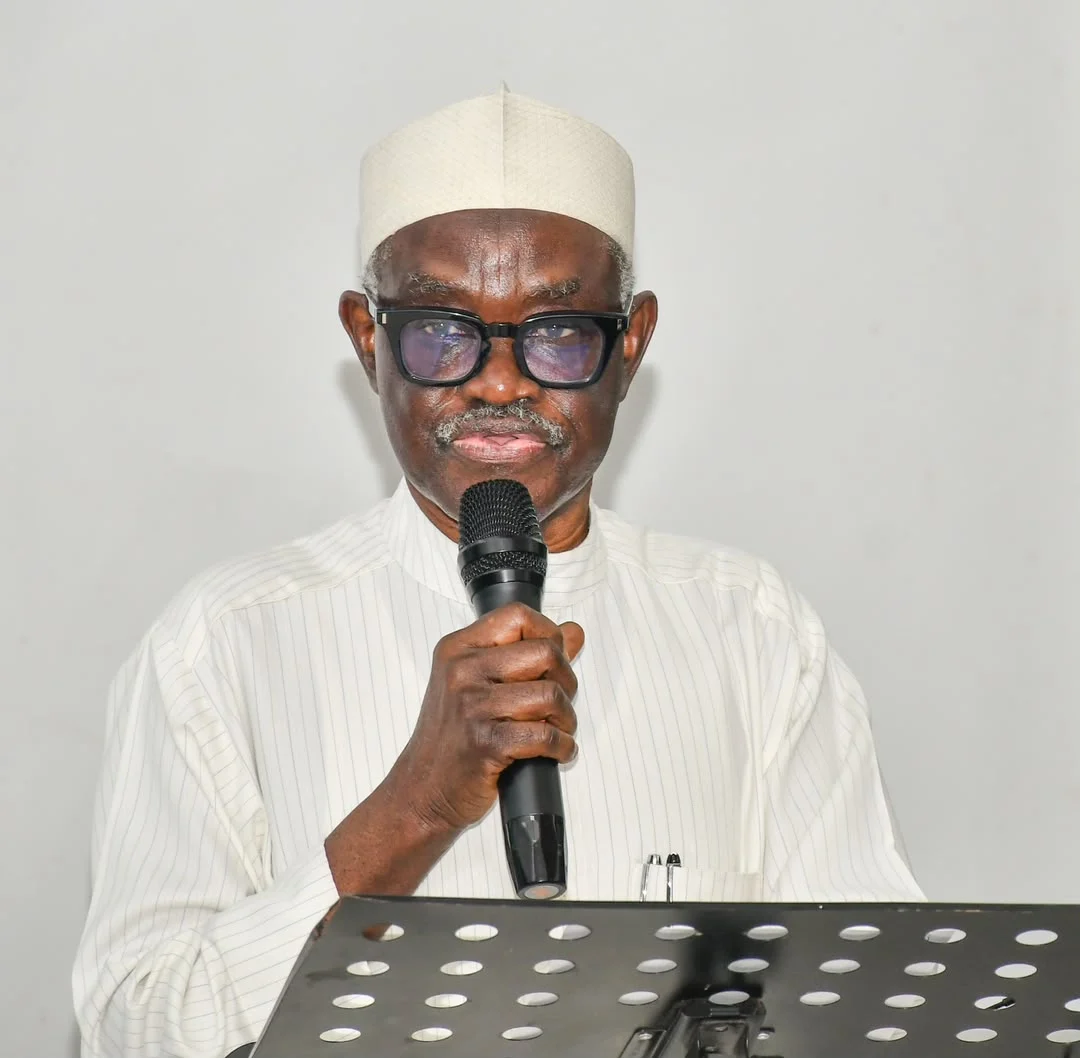






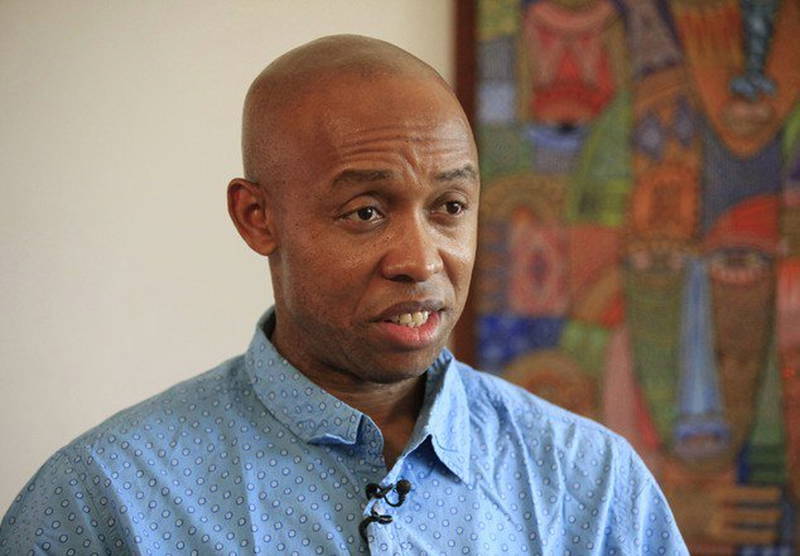

INEC National Commissioner and Chairman of the Information and Voter Education Committee, Mohammed Kudu Haruna. Photo: INEC
The Independent National Electoral Commission (INEC) has warned that the misuse of artificial intelligence to create and circulate manipulated content is “no longer a distant, theoretical risk” to Nigeria’s 2027 general elections.
The commission said the growing accessibility of generative AI had made it cheaper and significantly more difficult to detect fabricated audio, videos and images, raising concerns about their potential impact on voters and the credibility of the electoral process.
The warning was contained in a statement signed by INEC’s Director of Voter Education and Publicity, Victoria Eta-Messi, on Monday.
The National Commissioner and Chairman of the Information and Voter Education Committee, Mohammed Haruna, raised the concern in Abuja while declaring open a capacity-building workshop for Public Affairs Officers (PAOs) from across the states.
Haruna said the threat extended beyond the creation of fabricated content, noting that AI could also be used to generate highly targeted messages capable of presenting conflicting narratives to different groups of voters.
“Generative AI has made it cheaper and considerably harder to detect manipulated audio, video and images,” he said.
He said the development had made it necessary for electoral technology and electoral communication to be treated as interconnected components of election management.
Haruna recalled that the INEC Chairman, Prof. Joash Amupitan, recently said electoral credibility no longer depended solely on ballot papers, Bimodal Voter Accreditation System (BVAS) machines and result sheets, but also on the information environment in which voters formed their judgments.
According to Haruna, Amupitan had called for electoral technology and electoral communication to be treated “not as separate concerns but as a single discipline.”
He said the workshop, themed “Strengthening PAOs Capacity for Credible, Verified and Responsible Election Communication Towards 2027,” was designed to equip INEC’s public affairs officers with the skills needed to respond effectively to emerging information challenges.
Describing PAOs as “the frontline communicators of INEC in the states,” Haruna said, “the credibility of INEC’s communication, in many respects, begins with the work you do.”
The national commissioner said the officers would receive training in verification, escalation procedures and clear, consistent messaging. He added that the skills would be tested in real time as the 2027 elections draw closer.
In her welcome remarks, Eta-Messi said the officers had a significant responsibility in shaping public perception of the commission.
“It is through you that Nigerians form much of their impression of who we are, what we stand for, and how reliable our information is,” she said.