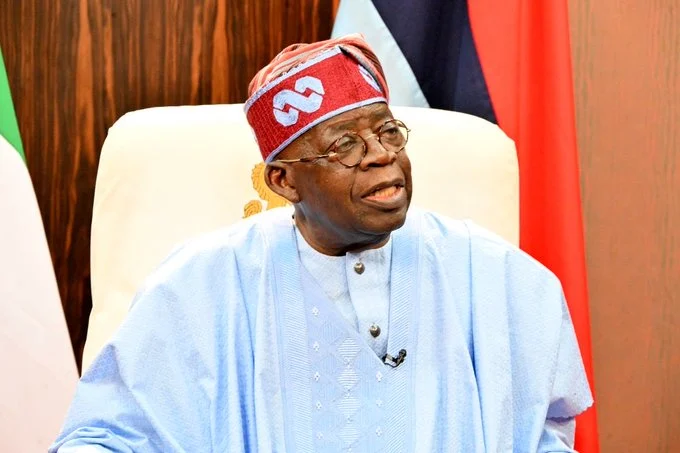


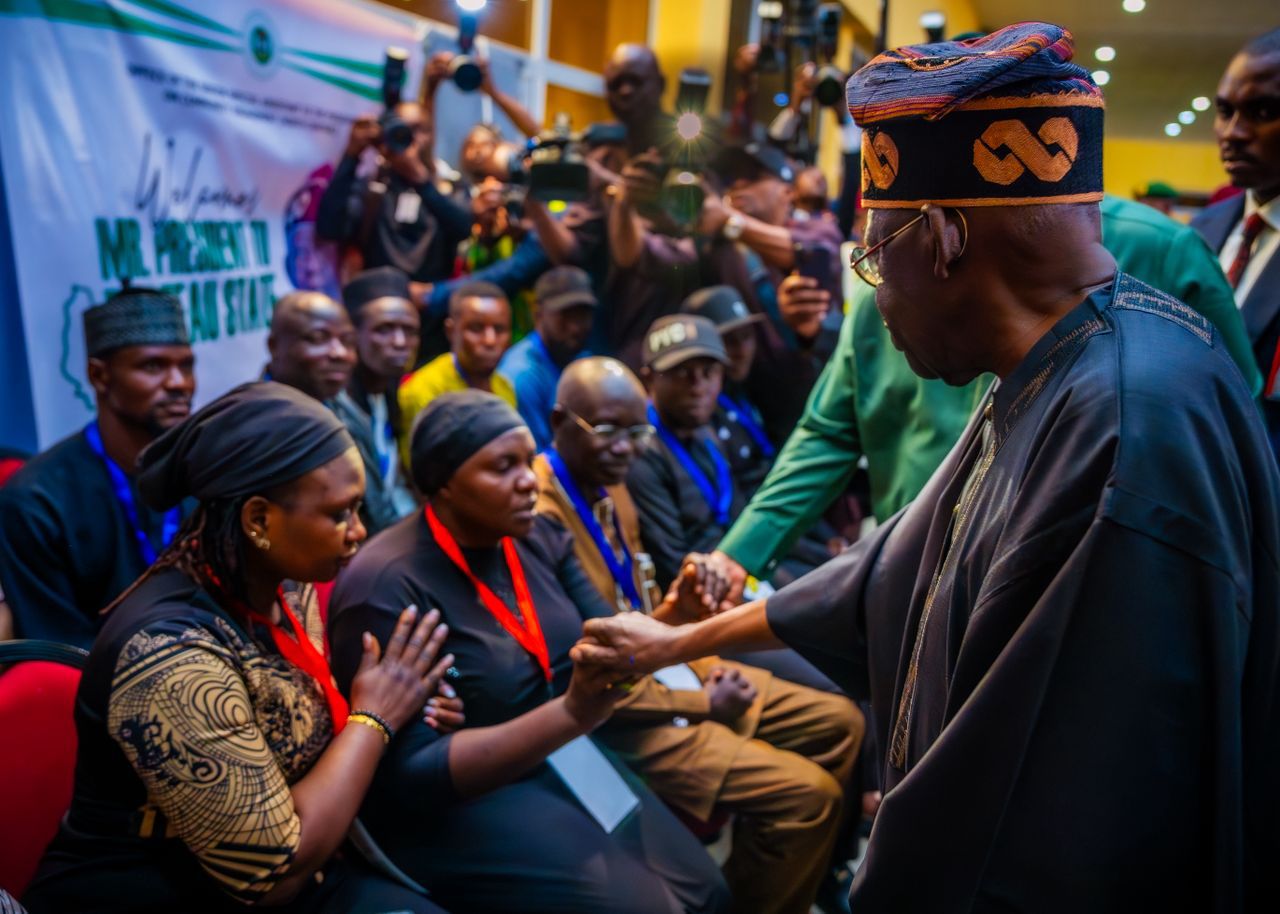



President Bola Tinubu has assured local and international investors that Nigeria remains open for business, saying his administration is committed to creating a more predictable, competitive and investment-friendly business environment.
The President spoke on Monday in Abuja at the 75th anniversary flagship event of Nigerian Bottling Company Limited (NBC), held at the Bola Ahmed Tinubu International Conference Centre.
Tinubu, who was represented by the Secretary to the Government of the Federation, Senator George Akume, said the Federal Government was aware of the challenges facing businesses and was addressing them through economic reforms under the Renewed Hope Agenda.
“Our message to investors, both Nigerian and international, is clear: Nigeria is open for business, and we are working to make the business environment more predictable, more competitive and more supportive of investment,” he said.
The President identified reliable power supply and infrastructure, clear and consistent regulations, efficient ports and logistics, access to foreign exchange and a tax system that supports productive enterprise as critical factors influencing investment decisions.
According to him, these conditions determine whether investors will expand existing factories, establish new production lines and create additional jobs.
Tinubu said the administration embarked on its economic reforms to build a more productive and competitive economy, reduce the country’s dependence on imports, expand domestic manufacturing and create more opportunities for Nigerians.
“We are making difficult changes because we want a more productive and competitive Nigerian economy. We do not want to remain overly dependent on imported goods while our own productive capacity remains underdeveloped. We want to produce more, manufacture more, add more value locally and create more opportunities for Nigerians,” he said.
The President also welcomed the Coca-Cola System’s announcement in 2024 of a potential $1 billion investment in Nigeria over five years. He described the commitment, coming after $1.5 billion invested in the country over the preceding decade, as a vote of confidence in the Nigerian economy.
Tinubu said the government was concerned not only about the volume of capital attracted to the country but also about the impact of such investments on employment, skills development, local sourcing, technology transfer and domestic production.
“For this administration, that is what investment must mean. We are interested not only in the amount of capital that comes into Nigeria, but in what that capital does here. Does it create jobs? Does it strengthen Nigerian businesses? Does it develop skills? Does it increase local sourcing? Does it bring new technology and knowledge? Does it help us produce more in Nigeria?
“Those are the outcomes that matter,” he said.
The President said Nigeria should not be viewed merely as a large consumer market for international businesses, but as a country where companies can establish operations, develop local talent and supply chains, expand their businesses and compete across African and global markets.
He cited Nigerian Bottling Company’s continued investment in production capacity, including new production lines at Asejire in Oyo State and Challawa in Kano State, as examples of the type of investment needed to strengthen Nigeria’s productive base.
Tinubu challenged businesses and policymakers to increase local content, develop Nigerian companies into reliable suppliers to major manufacturers, train young Nigerians to operate and maintain modern industrial equipment, and gradually replace imports with competitively produced Nigerian goods.
He assured investors that the Federal Government would continue to improve policies, infrastructure and the regulatory environment needed to promote investment and domestic production.
However, he stressed that the private sector also had a critical role to play through investment, innovation, risk-taking and job creation.
“Government has a role to play. We will continue to work on the policies, infrastructure and regulatory environment required to support investment and domestic production. But government cannot do this alone.
“The private sector must also play its part. Businesses invest. Businesses innovate. Businesses take risks. Businesses create jobs. Our responsibility in government is to create an environment in which those things can happen,” he said.
Tinubu further highlighted the importance of human capital development, noting that the ultimate value of investment lies in the opportunities it creates for people.
He commended Nigerian Bottling Company for its Supply Chain Academy, established in 1996, which has trained more than 1,400 young people.
The President also praised the company’s empowerment initiatives for women and its community development interventions, including programmes focused on water, sanitation and hygiene.