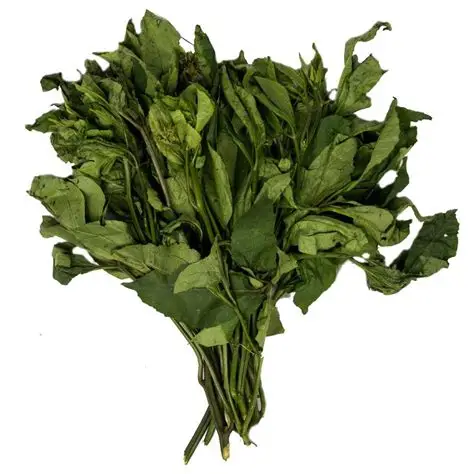













Nutrition experts have urged Nigerians to stop having vegetables cut or sliced at open markets, warning that the practice could expose the produce to harmful microorganisms and increase the risk of food poisoning.
The experts also cautioned that washing vegetables after they have been cut could result in the loss of essential nutrients. They advised consumers to wash vegetables thoroughly under running water before cutting or handling them.
It is common for Nigerians to ask vegetable vendors to slice their produce at the point of purchase, either in markets or by the roadside. However, nutritionists say the practice raises significant hygiene and food safety concerns.
The World Health Organisation says unsafe food contaminated by bacteria, viruses, parasites or chemical substances can cause more than 200 diseases, ranging from diarrhoea to cancer.
In June 2026, the WHO disclosed that unsafe food causes an estimated 866 million illnesses and 1.5 million deaths annually, with children under five among those most vulnerable.
“Unsafe food results in a vicious cycle of disease and malnutrition, particularly affecting infants, young children, older people and the sick,” the organisation said.
It added that children under five face almost three times the risk of illness from unsafe food compared with older children and adults.
Speaking exclusively to PUNCH HealthWise, a registered dietician-nutritionist and Assistant Director of Dietetics at the Lagos State Health Service Commission, Olusola Malomo, described the practice of slicing vegetables in open markets before washing them as unhealthy and potentially dangerous.
Malomo said the open-market environment could expose cut vegetables to contaminants, while washing them after slicing could cause some nutrients to be lost.
“It is unhealthy to slice vegetables in the market without washing them first. First, let us look at the environment of the open market; obviously, it is unsafe.
“Now, when you get home to wash them, some of the vital nutrients will escape, and you will not get the actual amount of nutrients in the vegetable. So, the nutrients are washed away with the water,” he explained.
The dietician said vegetables washed before slicing generally retained more nutrients than those sliced before washing.
“When you do a qualitative analysis of the vegetables sliced in the market and washed, and those that were bought, brought home and washed before slicing, you will find that the ones that were washed before slicing have more nutrients than those that were sliced in the market before washing,” he said.
Malomo also warned that some consumers might take the risk further by cooking the vegetables without washing them after purchase.
“Some even bring these vegetables home and cook them without washing, thereby eating contaminated food. For us to eat healthily, we must wash our vegetables before slicing them,” he added.
According to the nutritionist, vegetables may also have been exposed to agricultural chemicals such as fertilisers, insecticides and pesticides before reaching the market.
“That is the reason we discourage slicing vegetables right at the point of purchase in the market,” he said.
He explained that chemical residues could remain on vegetables and potentially harm consumers if the produce was not properly washed.
Malomo further raised concerns about the hygiene practices of vendors, noting that cutting vegetables in open markets could expose them to bacteria and other microorganisms.
“Anything could have happened in the process of slicing because of the seller’s hygiene. He or she cannot maintain good hygiene in that open market.
“If you look at the environment in the open market, bacteria can contaminate the vegetables. This will not be beneficial to the body because the vegetables may introduce microorganisms into the body,” he said.
Another registered dietician-nutritionist, Nwabumma Asouzu, also warned that raw vegetables could become contaminated through contact with vendors’ hands or unhygienic surfaces.
She said other contaminants could include faecal matter, parasites, maggots, insects, sand and small pieces of stones.
Asouzu noted that improperly handled vegetables could also transmit foodborne pathogens, including Salmonella, E. coli, Cryptosporidium and Listeria.
“All vegetables should be treated with the utmost care, from the point of harvest to the consumer’s plate,” she said.
The dietician added that vegetables contain antioxidants and other nutrients that could be lost when they are cut or mishandled, advising consumers to avoid buying fresh vegetables that are bruised or damaged.
Asouzu also identified ascorbic acid, B vitamins and folate among nutrients that could be lost when vegetables are cut and subsequently washed.
To reduce the risk of contamination, she advised consumers to wash vegetables thoroughly with clean running water before cutting them.
She said, “Add a little quantity of salt, wash, and then rinse all vegetables under running tap water or clean water. While rinsing under running tap water, rub or scrub firm-skinned vegetables with a clean vegetable brush.
“Never use detergent or bleach to wash fresh fruits and vegetables, since these products are not consumable.
“When shopping, separate fresh vegetables from household chemicals and raw foods, such as meat, poultry and seafood.
“During preparation, remove and discard bruised or damaged portions of vegetables before cooking.”
The experts therefore advised Nigerians to buy whole, undamaged vegetables, wash them properly at home and only then cut or slice them for cooking or consumption.