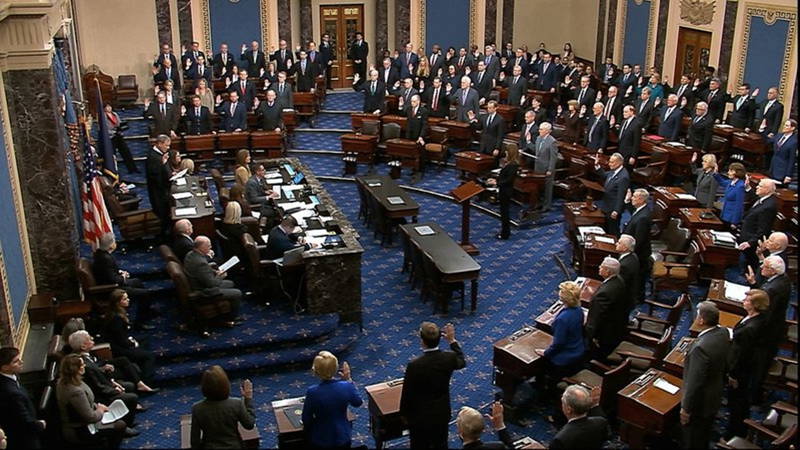





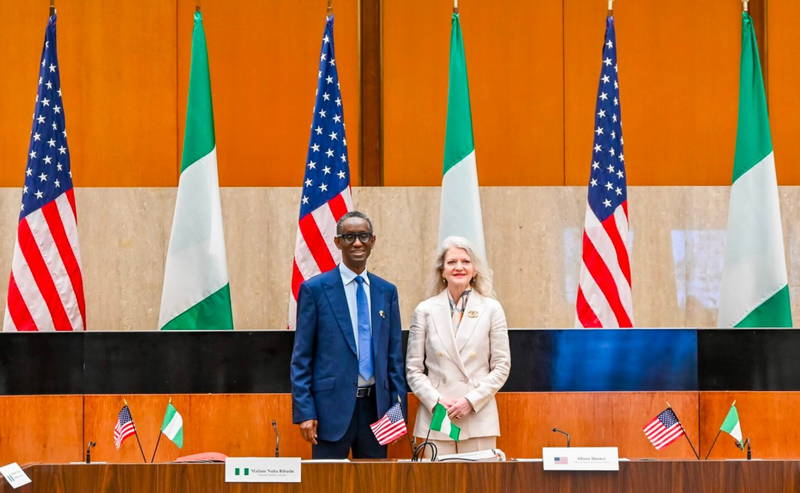


The United States Senate has approved a two-year extension of the African Growth and Opportunity Act (AGOA), allowing eligible sub-Saharan African countries, including Nigeria, to retain duty-free access to the US market until December 2028.
The extension, which secured 90 votes in favour and six against, comes as a relief to African exporters, with the existing AGOA arrangement scheduled to expire at the end of September this year.
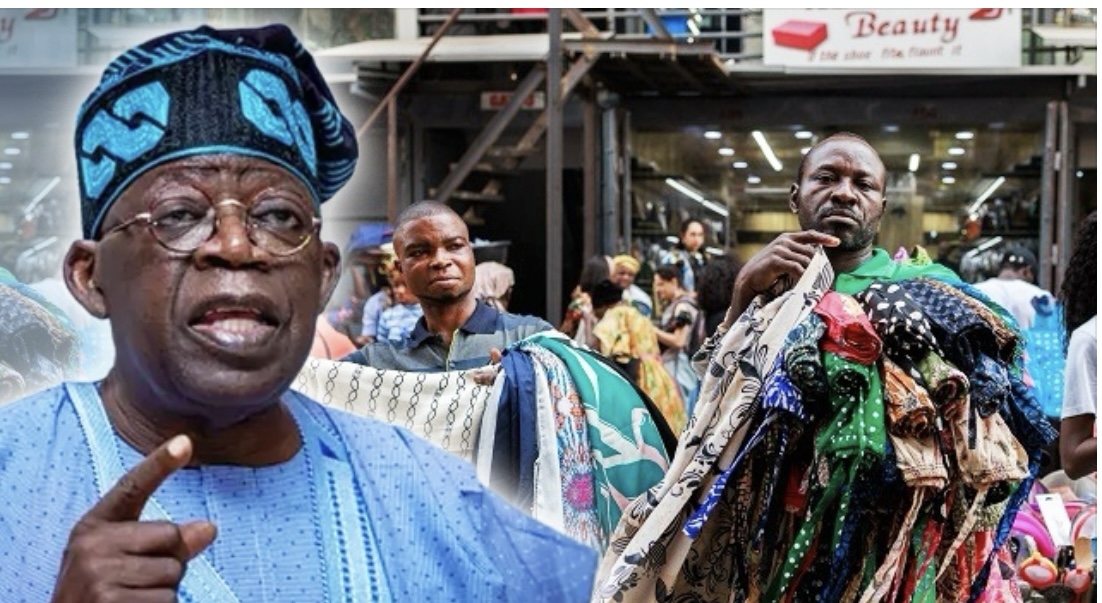
Enacted in 2000, AGOA has remained a major pillar of US-Africa trade relations for more than two decades. The programme allows eligible African countries to export more than 1,800 products to the US duty-free, including agricultural goods, footwear, automobiles, textiles, apparel and other manufactured products worth billions of dollars annually.
US Senator Raphael Warnock, who played a key role in advancing the extension, said the move would help lower the cost of everyday goods while strengthening US national security by supporting the economic stability of partner countries.
The Senate also approved extensions of two trade programmes focused on Haiti — the Haiti Economic Lift Program (HELP) and the Haitian Hemispheric Opportunity through Partnership Encouragement (HOPE).
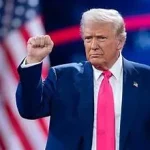
The legislation will now be sent to the House of Representatives for concurrence before being forwarded to President Donald Trump for assent.
Since its establishment, AGOA has played a central role in US economic policy and commercial engagement with Africa. In addition to duty-free access for eligible countries, the programme provides access to more than 5,000 products covered under the Generalised System of Preferences programme.
To qualify for AGOA benefits, countries are required to establish, or make continual progress towards establishing, market-based economies, the rule of law, political pluralism and due process.
They must also remove barriers to US trade and investment, adopt policies aimed at reducing poverty, combat corruption and uphold human rights.
The programme has created new market opportunities for African economies, supporting economic growth, encouraging economic and political reforms, and strengthening US economic ties with the continent.