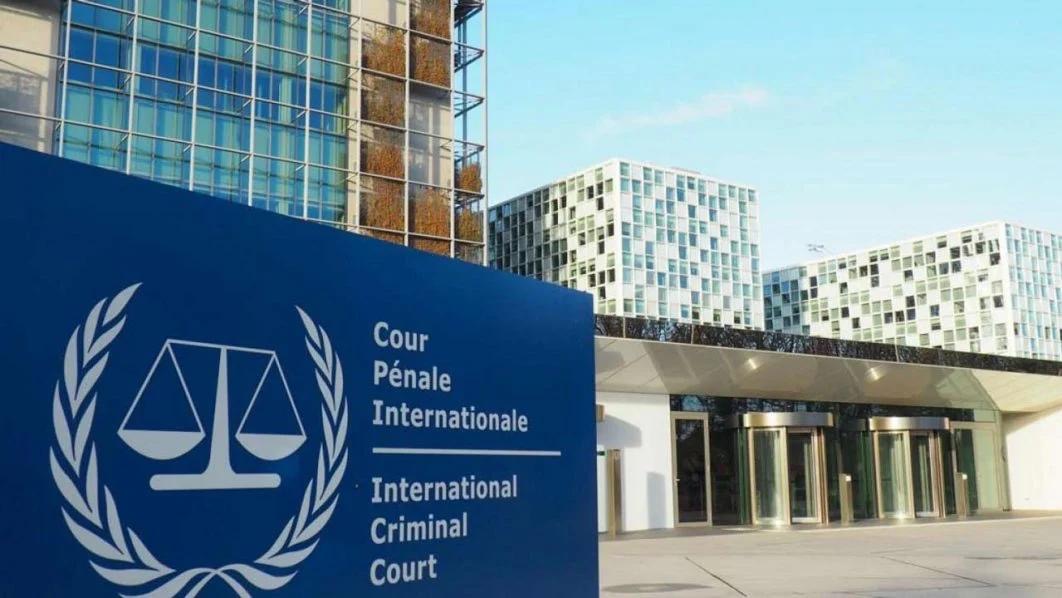



The International Criminal Court (ICC) has expressed concern over the decision by Chad and Venezuela to withdraw from the global tribunal.
In a statement issued on Friday, the court’s presidency said it regretted the two countries’ decisions.
“The presidency regrets these developments. The pursuit of justice is strengthened through unity of purpose,” the statement said.
Venezuela announced its withdrawal from the Hague-based court on July 25, while Chad followed two days later. Both countries accused the ICC of bias in its investigations.
Their decisions come amid increasing pressure on the court from the United States, which has launched a diplomatic campaign against the ICC, accusing it of threatening American interests. Washington has also pledged additional sanctions and urged its allies to withdraw from the tribunal.
Relations between the administration of U.S. President Donald Trump and the ICC have remained strained, with some of the court’s judges already facing U.S. sanctions.
Chad said the ICC disproportionately targets African countries. The military-led governments of Burkina Faso, Mali and Niger have also indicated their intention to leave the court.
Venezuela, which is under ICC investigation, echoed similar concerns.
“Venezuela considers that the Court’s actions reflect a demonstrated geographical bias, which has disproportionately concentrated its work on African and Latin American countries,” Foreign Minister Felix Plasencia said.
The ICC is investigating alleged crimes against humanity committed during crackdowns on protesters in Venezuela since 2014.
In December 2025, Venezuela’s parliament began the process of repealing the Rome Statute—the treaty that established the ICC—after the court closed its office in Caracas. The move came during the rule of Nicolás Maduro, who was later captured by the U.S. military.
The ICC prosecutes individuals accused of the world’s gravest crimes, including genocide, war crimes, crimes against humanity and the crime of aggression.
The court’s presidency is currently composed of President Päivi Kaukoranta of Finland, First Vice-President Michael Imran Kanu of Sierra Leone, and Second Vice-President Margareta Kassangana of Poland.