










The Petroleum Technology Development Fund (PTDF) has unveiled a comprehensive human capital development strategy designed to support the Federal Government’s ambition of expanding Nigeria’s economy to $1 trillion by 2030 through investments in specialised education, technical skills and energy research.
Speaking in Kaduna on Friday, PTDF Executive Secretary, Prof. Shua’ibu Aliyu, said the Fund was aligning its programmes with the 2026–2030 National Development Plan to build a highly skilled workforce capable of driving growth across the country’s oil, gas and emerging energy sectors.
According to Aliyu, the strategy is centred on developing local expertise, reducing capital flight, strengthening research institutions and producing the skilled manpower required to deliver major energy infrastructure projects.
“Our long-term vision is to develop a workforce that is trained in Nigeria, employed in Nigeria and, by choice, exported to support the wider African energy industry,” he said.
The initiative will be driven through two flagship institutions: the Centre for Skills Development and Training in Port Harcourt and the newly renamed General Shehu Musa Yar’Adua University of Geological Science and Engineering Technology in Kaduna.
Aliyu explained that the Port Harcourt centre will offer internationally accredited vocational and technical training for technicians, artisans and craftsmen serving the upstream, midstream and downstream petroleum sectors. Training will cover areas including welding, fabrication, instrumentation and offshore safety.
He added that the Kaduna-based university, recently licensed by the National Universities Commission (NUC) to operate as a postgraduate institution, will deliver advanced education and research through partnerships with leading universities in the United Kingdom.
Describing the university as a strategic driver of economic growth, Aliyu said it would help deepen local technical capacity while conserving foreign exchange.
To reduce reliance on overseas education, he said PTDF has expanded its split-site doctoral programme, enabling scholars to undertake part of their studies in Nigeria before completing the remainder at partner institutions abroad.
“This initiative reduces capital flight while strengthening local institutions and maintaining international academic standards,” he said.
Aliyu also disclosed that the Fund is digitising the university to enhance administrative efficiency and support blended learning.
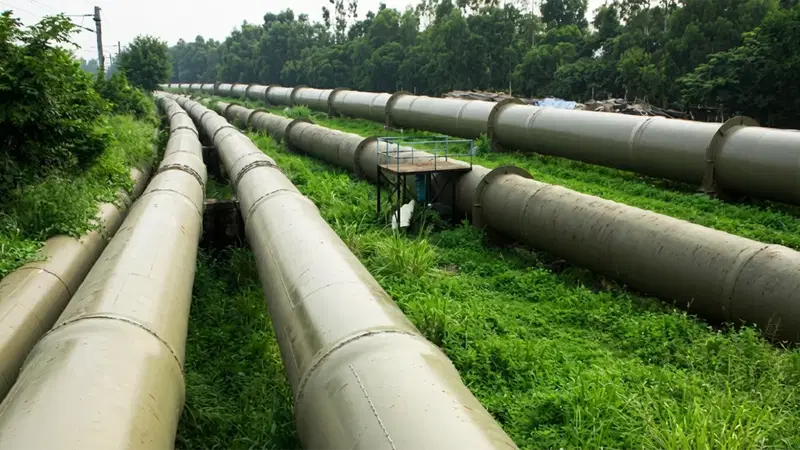
He noted that PTDF’s training programmes have been aligned with several strategic national energy projects, including the AKK Gas Pipeline, UTM Floating LNG, Trans-Saharan Gas Pipeline, Bonga Southwest Aparo, Owowo, Zabazaba-Etan, OB3 Gas Trunk Line, Olokola LNG, Dangote projects and investments by indigenous operators.
The alignment, he said, is intended to ensure Nigeria develops the skilled workforce required to execute current and future investments across the energy value chain.
Aliyu further revealed that PTDF is expanding international collaboration with organisations such as the Independent Petroleum Producers Group, the African Petroleum Producers’ Organization (APPO), Sonatrach of Algeria, Saudi Aramco and Turkish Petroleum to strengthen knowledge transfer, research and innovation within the sector.