






The House of Representatives on Tuesday resolved to investigate the human and economic losses suffered by Nigerians in recurring xenophobic attacks in South Africa, with a view to securing compensation for victims and strengthening diplomatic measures to protect Nigerians abroad.
The resolution followed the adoption of a motion sponsored by the lawmaker representing Ikorodu Federal Constituency of Lagos State, Babajimi Benson.
Moving the motion, Benson said that despite years of violent attacks against Nigerians in South Africa, there had been no comprehensive assessment of the number of casualties, displaced persons, destroyed businesses or the overall economic losses suffered by victims.
He recalled Nigeria’s significant role in the struggle against apartheid, noting that the country committed substantial diplomatic, financial and political resources to South Africa’s liberation.
According to him, Nigeria championed the anti-apartheid cause through sustained advocacy at the United Nations, the Commonwealth and the Organisation of African Unity, established the Southern African Relief Fund, awarded scholarships to South Africans and bore economic sacrifices in support of the liberation struggle.
Benson, however, lamented that despite the longstanding ties between both countries, Nigerians living legally in South Africa have continued to face repeated xenophobic attacks over the past two decades.
He said the attacks had been marked by killings, mob violence, assaults, arson, looting, destruction of businesses and properties, forced displacement and hate campaigns targeting African migrants, particularly Nigerians.
The lawmaker identified major outbreaks of xenophobic violence in 2008, 2015, 2017, 2019 and 2021, noting that each incident strained diplomatic relations between Nigeria and South Africa, prompted emergency evacuations of Nigerians and drew assurances from the South African government that such attacks would not recur.
He also expressed concern over the resurgence of organised anti-foreigner campaigns led by groups such as Operation Dudula, saying the activities of such organisations had created fear among Nigerian residents.
According to Benson, many Nigerians reportedly abandoned their homes, businesses and investments while seeking emergency evacuation following threats and ultimatums issued against foreign African nationals.
He argued that although previous National Assembly sessions had condemned the attacks and called for diplomatic action, no comprehensive legislative inquiry had been conducted to establish the actual number of Nigerians killed, injured or displaced, or the full extent of property and economic losses.
Benson maintained that the lack of verified data had undermined Nigeria’s ability to pursue effective diplomatic engagement and seek justice for affected citizens.
He stressed that a thorough investigation was necessary to document the cumulative human, social and economic impact of the attacks and provide a credible basis for policy decisions, legislative intervention and diplomatic negotiations.
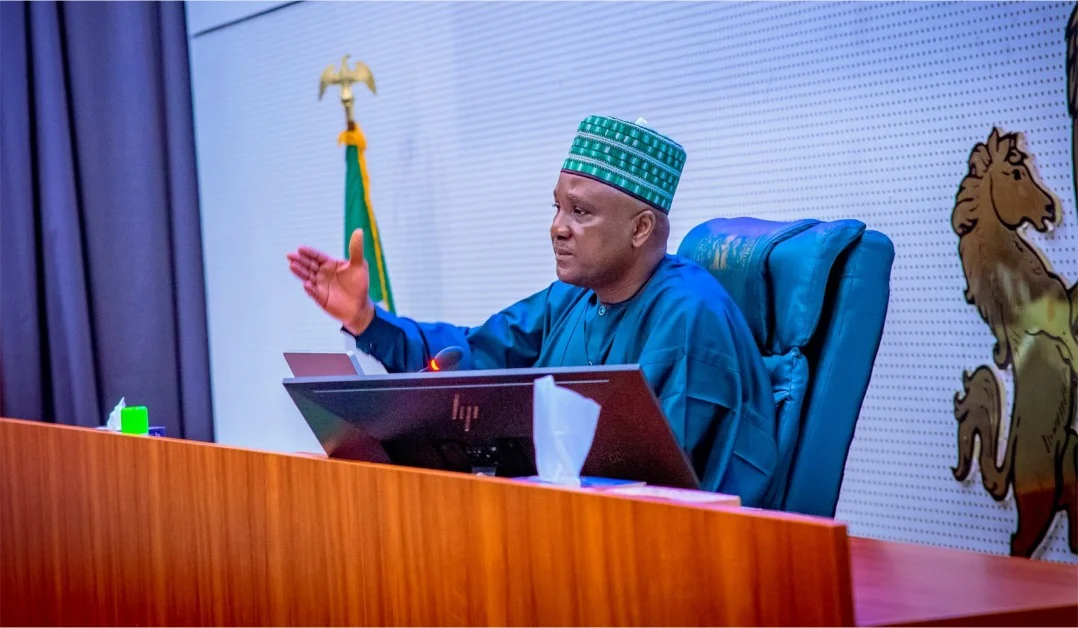
The motion received overwhelming support from lawmakers and was adopted through a voice vote presided over by Speaker Tajudeen Abbas.
Following its adoption, the House mandated its Committees on Integration and Cooperation in Africa and Diaspora, and Foreign Affairs to investigate the casualties, losses and damages suffered by Nigerians during past and recent xenophobic attacks in South Africa.
The committees were also directed to compile an inventory of properties abandoned by Nigerians due to the violence and recommend appropriate diplomatic initiatives, legal frameworks and bilateral engagements to ensure accountability for perpetrators, secure compensation for victims where applicable and improve the protection of Nigerians residing in South Africa.
The committees are expected to submit their findings to the House within four weeks for further legislative action.
Nigeria and South Africa share one of Africa’s strongest bilateral relationships, anchored on trade, diplomacy and regional cooperation. However, recurring xenophobic attacks targeting foreign nationals, including Nigerians, have repeatedly strained relations between the two countries, resulting in deaths, destruction of businesses, displacement and repeated calls for justice and compensation by victims and advocacy groups.