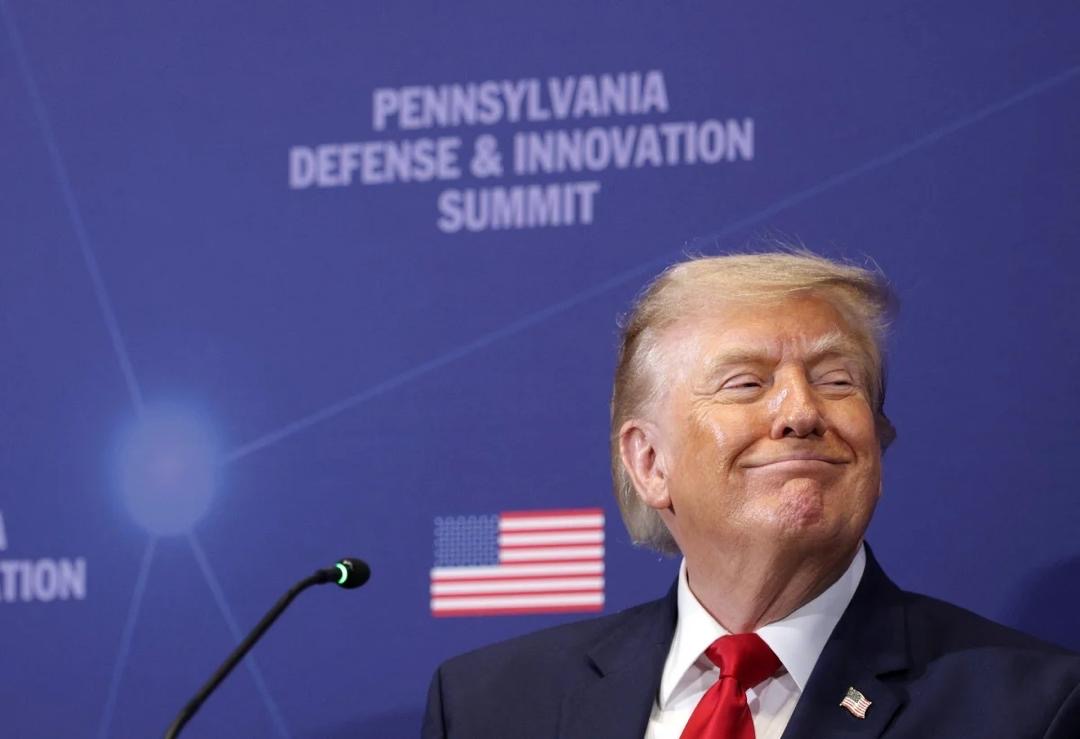





The administration of United States President Donald Trump has introduced a new rule limiting the stay of most foreign students and exchange visitors in the country to a maximum of four years, unless they secure an extension from the Federal Government.
The rule, announced by the Department of Homeland Security (DHS), replaces the long-standing “duration of status” policy, which allowed international students to remain in the US for the duration of their academic programmes as long as they maintained compliance with visa requirements.
The new restriction applies to holders of F-1 student visas and J-1 exchange visitor visas.
According to reports, the DHS acknowledged that some international students may face challenges completing their programmes within the four-year limit, particularly as many undergraduate and doctoral programmes often extend beyond that period.
Homeland Security Secretary Markwayne Mullin defended the policy, describing it as a measure aimed at strengthening immigration enforcement and addressing potential visa overstays.
“For nearly half a century, the outdated ‘duration of status’ system has compromised national security and created an environment ripe for immigration fraud,” Mullin said.
However, the policy has drawn criticism from education advocates, including NAFSA: Association of International Educators, which argued that the change would create additional uncertainty and administrative challenges for foreign students.
NAFSA Executive Director Fanta Aw described the decision as an unnecessary policy shift that would introduce more bureaucracy and fear into a system that had operated effectively for decades.
The new rule comes amid ongoing challenges faced by US colleges and universities in attracting international students, following stricter immigration measures and visa restrictions implemented under the Trump administration.