




The Federal Government has reaffirmed its commitment to strengthening collaboration with state governments and security institutions to address Nigeria’s evolving security challenges through intelligence sharing, coordinated operations, and inclusive governance.
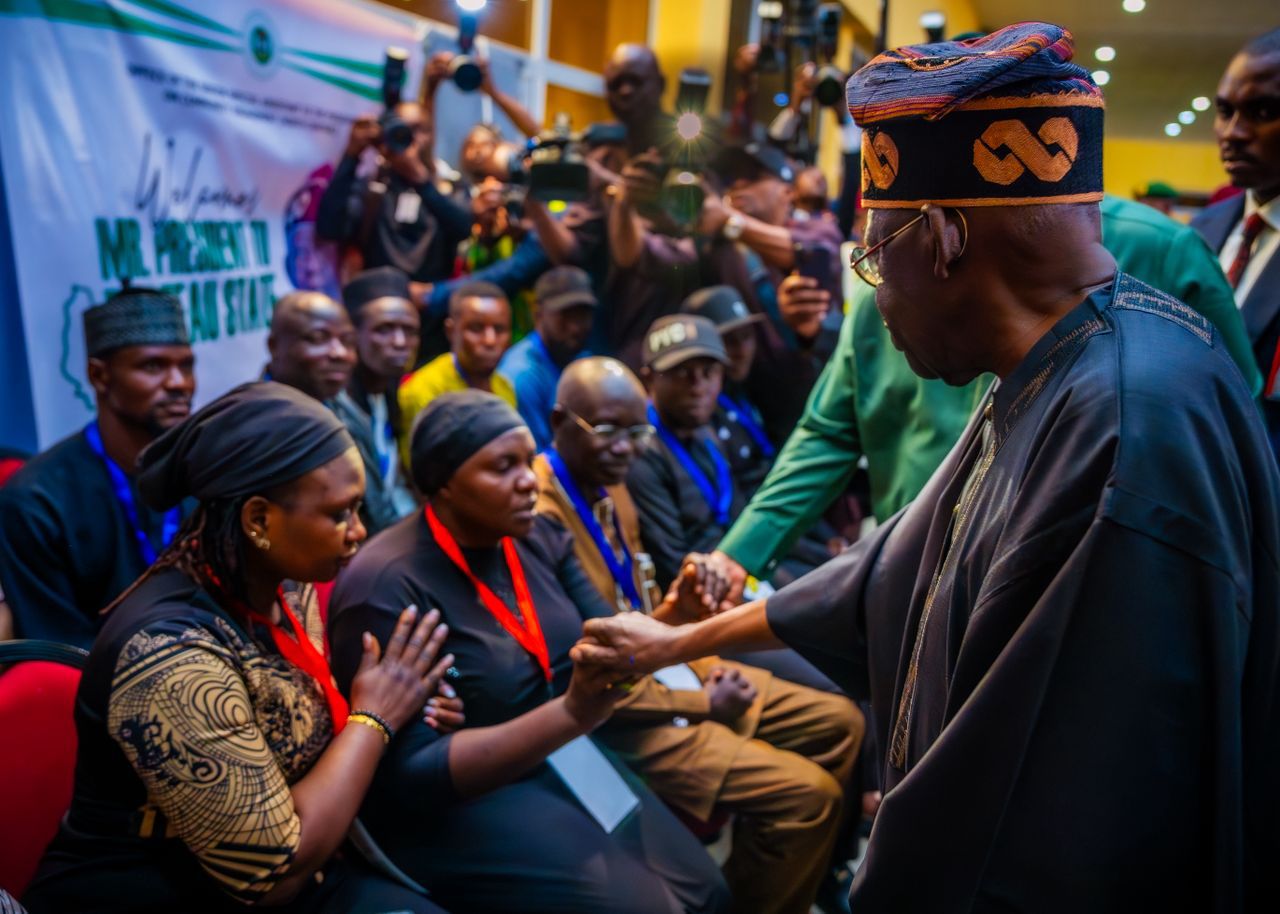
The commitment was reiterated on Thursday at the opening of the 2026 Federal and States Security Administrators Meeting (FSSAM) held at Victoria Gowon Hall, Government House, Jos, Plateau State.
The meeting brought together permanent secretaries responsible for security, state security advisers, representatives of the Office of the National Security Adviser (ONSA), and heads of security agencies from across the federation to deliberate on internal security, crime intelligence, cybercrime, counter-terrorism, military security, and the control of small arms and light weapons.
Chairman of the forum and Permanent Secretary, Special Services Office, Office of the Secretary to the Government of the Federation (SGF), Sani Yargaya, said that although successive governments and stakeholders had invested significantly in peacebuilding and conflict resolution, persistent communal crises highlighted the need for stronger institutions and sustained collaboration.
“While we still live with some of these challenges, we should not in any way think that these efforts did not produce results,” Yargaya said.
He stressed that achieving lasting peace and security would require a comprehensive and collaborative approach.
“Government alone cannot solve these challenges. There is a need for renewed commitment, stronger institutions, inclusive governance and sustained peacebuilding,” he added.
Yargaya noted that, beyond security briefings from states and agencies, this year’s meeting would feature presentations from specialised centres under ONSA, including the National Counter Terrorism Centre and the National Cybercrime Coordination Centre, to enhance coordination between the federal and state governments.
Representing the National Security Adviser, Asishana Okauru said the Office of the NSA remained committed to building a more coordinated national security architecture anchored on intelligence sharing, structured engagement and effective governance.
He commended the Plateau State Government for strengthening its security architecture through the revitalisation of Operation Rainbow, the deployment of surveillance drones, the reconstitution of the Plateau State Interfaith Advisory Council, and the inauguration of the State Advisory Committee on State Police.
“Security today demands coordination, trust and structured engagement across all levels of governance,” Okauru said, adding that “security is not merely the absence of conflict; it is the presence of good governance.”