












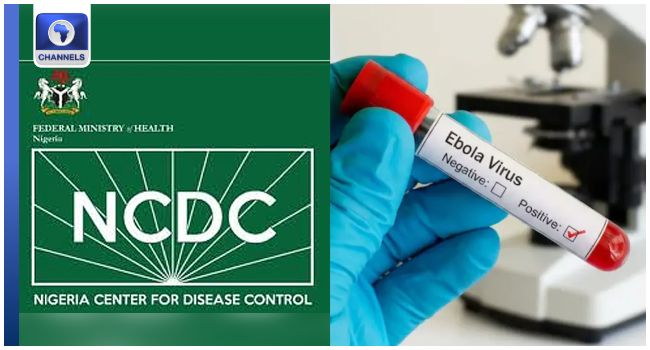
The Nigeria Centre for Disease Control and Prevention (NCDC) has classified the risk of importation of the Bundibugyo strain of the Ebola Virus Disease (EVD) into Nigeria as high, citing ongoing transmission in parts of East Africa, increased international travel, population movement, and porous borders.
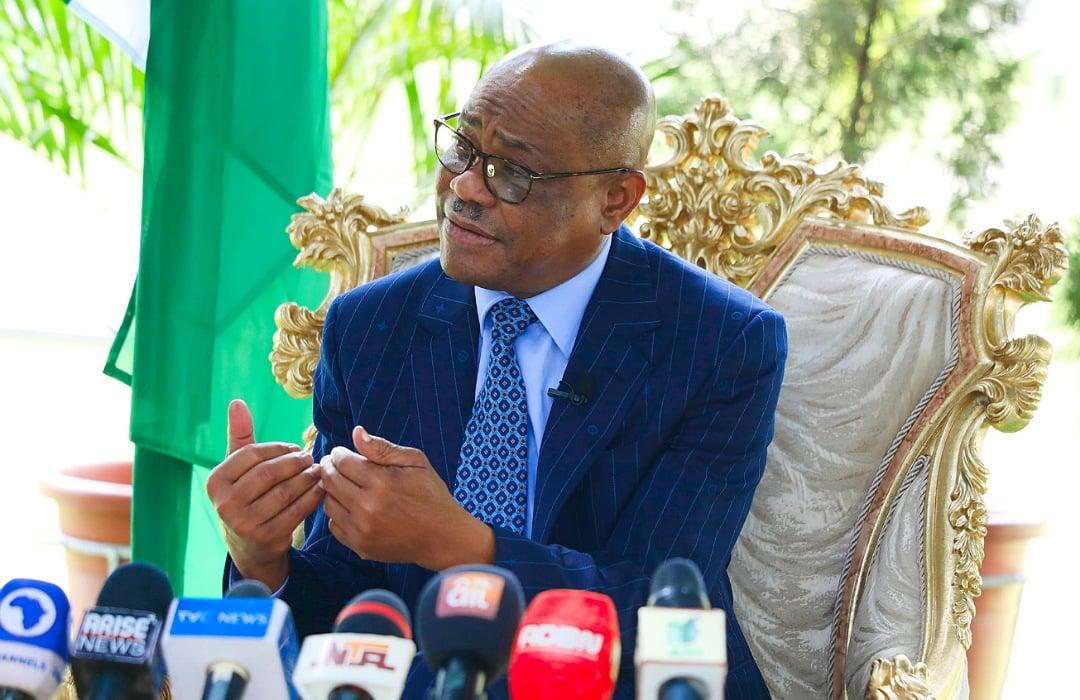
The assessment was disclosed by the Director-General of the NCDC, Dr Jide Idris, during a media briefing in Lagos on the country’s level of preparedness following reported Ebola outbreaks in the Democratic Republic of Congo and Uganda.
Dr Idris said the agency’s position is based on a dynamic risk assessment conducted in response to the evolving regional public health situation.
According to him, the possibility of delayed detection remains a concern because the symptoms of Ebola often resemble those of other endemic diseases such as malaria and Lassa fever.
He noted that while Nigeria has not recorded any confirmed case of the disease, the NCDC is intensifying surveillance and preparedness measures to prevent the importation and spread of the virus.
The NCDC boss outlined several response pillars already activated by the agency, including enhanced surveillance at points of entry, laboratory readiness, risk communication, case management preparedness, and coordination with relevant stakeholders across the health sector.
Dr Idris urged state governments to activate their preparedness mechanisms and ensure that emergency response structures are fully operational.
He also called on healthcare workers and other frontline personnel across the country to maintain a high index of suspicion when attending to patients presenting symptoms that may be consistent with Ebola infection.
”Since confirmation of the outbreak in the region, NCDC has intensified the preparedness activities nationwide to ensure that Nigeria remains ready to rapidly detect, investigate, contain, and respond to any potential outbreak of disease.”